The Weekender: A Good Project, a Bad Process

Good Morning, Clayton!
Town Council is back in session, and boy howdy, what a week.
Nothing says “welcome back” quite like a white-hot angry neighborhood, a possible million-dollar grant switcharoo, and another expensive town project with—as usual—a whole lot of questions.
Before we get into all of that, let’s talk turkey.
The good news is that, as I’ve hinted, The Clayton Dispatch is growing. More people are reading, more tips are coming in, and a whole lot is happening around town that deserves a closer look.
One of the things I want to launch very soon is Town Hall Theatre 3k, a podcast where you watch the council meeting with me, and I break down what I think matters, read between the lines, explain the weird government language, and crack jokes the whole time. Think Mystery Science Theater, but for Clayton Town Council meetings.
The bad news is that the setup costs money. That’s where you—and your support—come in.
I’ve put together a paid membership program to help fund better reporting, new equipment, expanded coverage, and whatever other trouble The Dispatch manages to get into next.
And if you’re already a paid subscriber, you already have my undying gratitude. These perks are automatically headed yourway.
Become a Paid Clayton Dispatch Member
$5 per month or $50 per year Membership helps support independent local reporting, expand coverage, and pay for future Dispatch upgrades.
Members receive:
- The ability to comment on Dispatch stories
- Priority question submissions for the upcoming Council Watch-Along with Dan podcast
- Regular behind-the-scenes reporting notes and project updates
- Member discounts and early access to Clayton Dispatch merch
- An exclusive Clayton Dispatch sticker for monthly members*
- An exclusive Clayton Dispatch tote bag for annual members.

The actual reporting will remain available to everyone. Paid membership helps make more of it possible.
Also, this can get us a whole lot closer to a print edition.
*Stickers will be given out every quarter.
With that, let’s get into it.
The Dispatch Lead: A Bad Process Can Make a Good Project Stink
Town Council annexed more than 44 acres from Wake County and approved industrial zoning despite a 5–3 recommendation for denial from Clayton’s planning board.
This wasn’t the normal formality of approving another warehouse project at this week’s Council meeting. At least it shouldn’t have been.
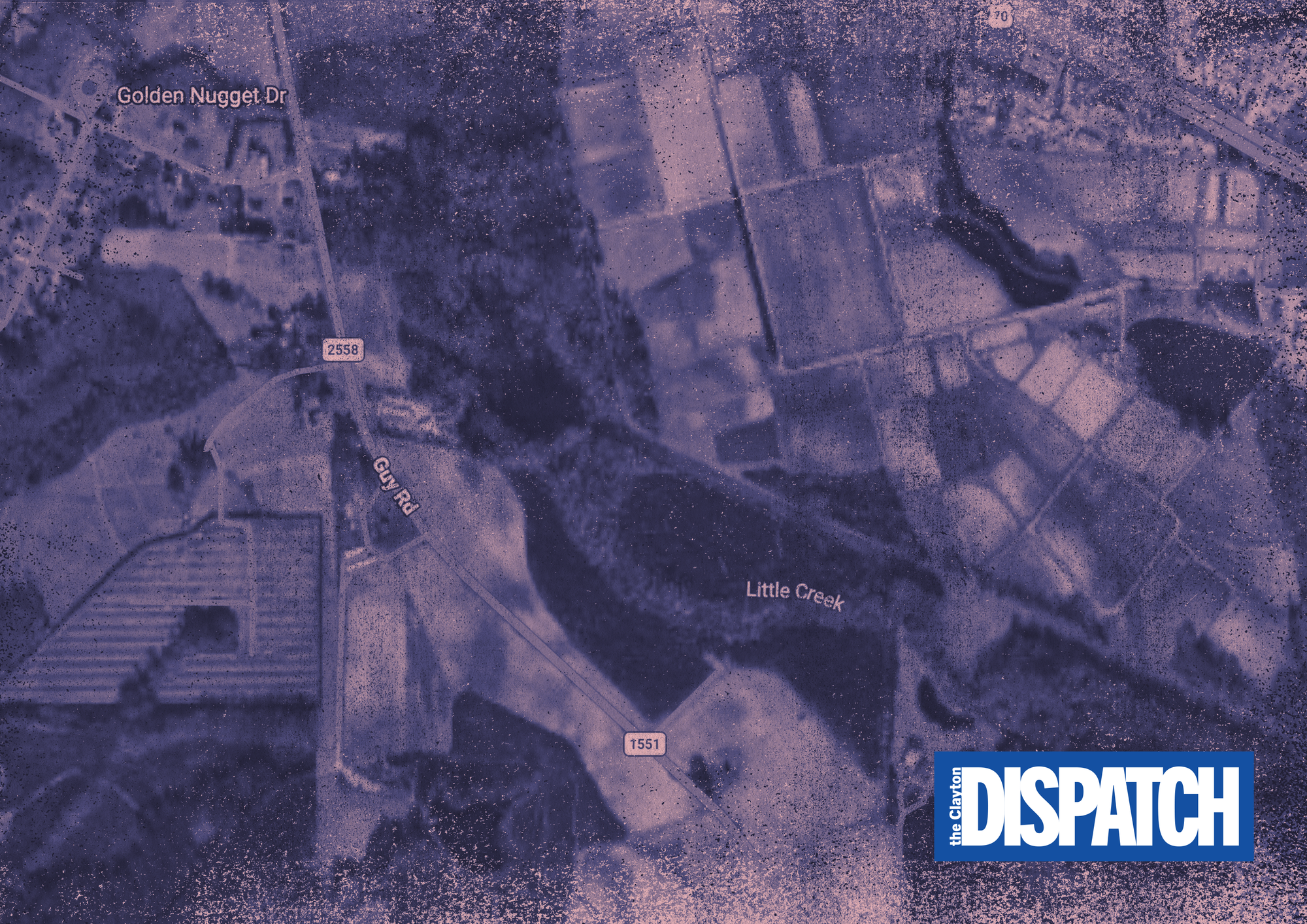
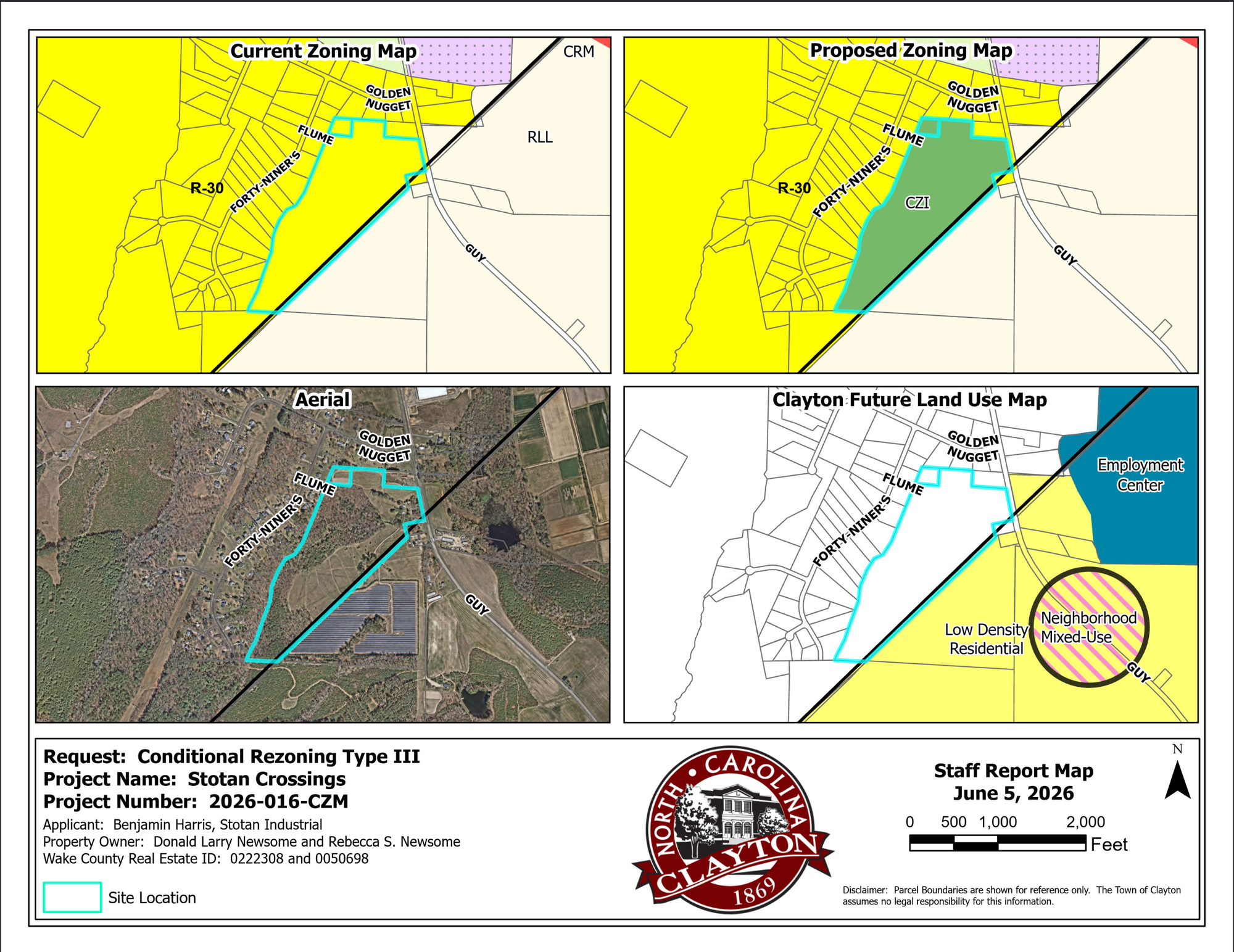
The town reached past its existing limits into Wake County, annexed more than 44 acres of vacant and wooded land along Guy Road, and changed the property from Wake County residential zoning to Clayton’s Conditional Industrial district.
That decision cleared the way for Stotan Crossings, a speculative industrial development planned beside homes along the Golden Plantation neighborhood.
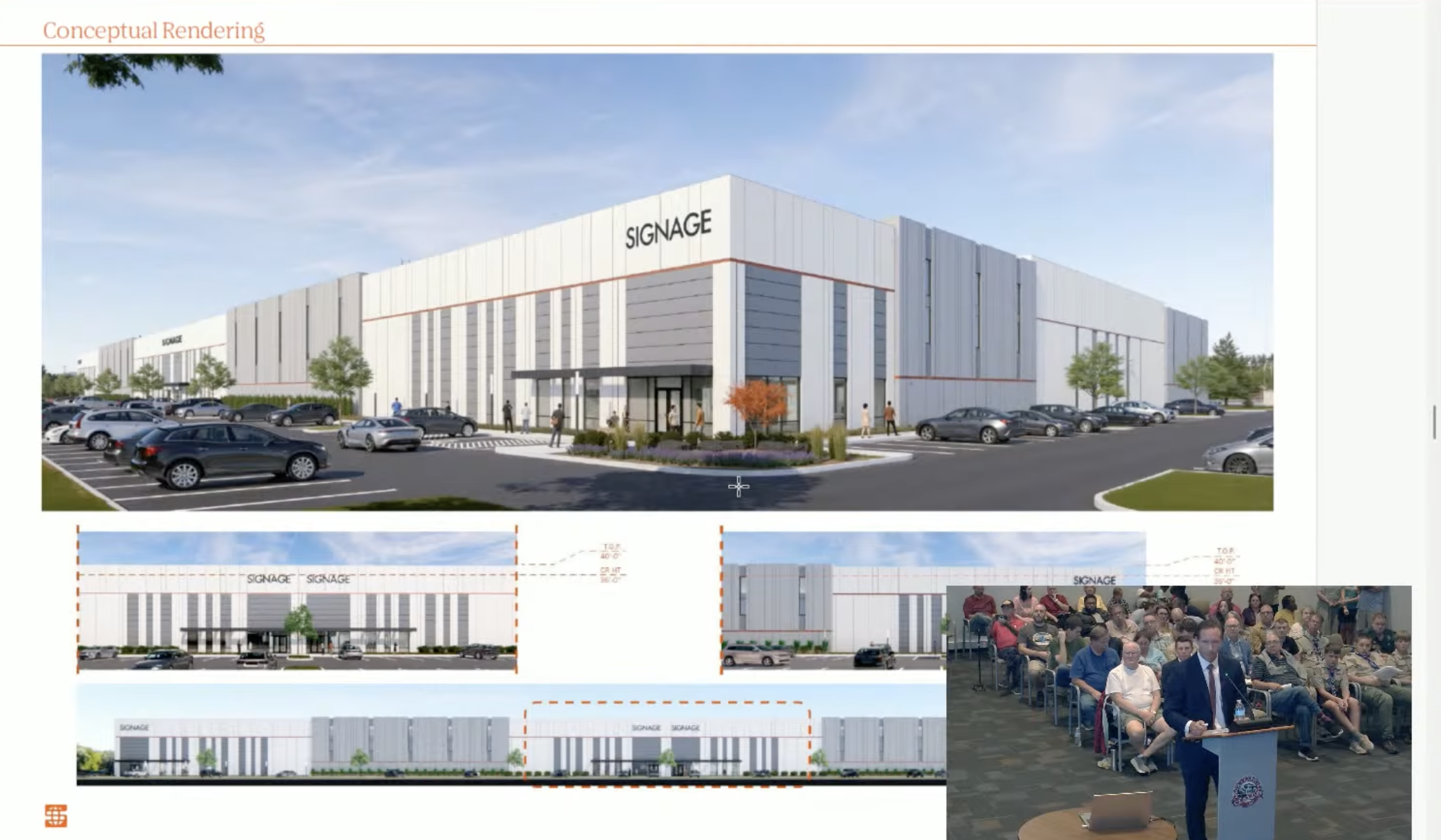
The current concept shows two industrial buildings totaling approximately 376,000 square feet, with loading docks, trailer parking, employee parking, and two stormwater ponds.
By all measures, this is a good project for Clayton’s residents.
It will add to the industrial tax base, create jobs, and bring millions of dollars in privately funded water and sewer infrastructure to an area where commercial development is almost certainly coming.
But even a great project can turn sour when the public process surrounding it is rushed, dismissive, or designed to produce a predetermined outcome.
And that’s exactly what happened here.
Quick Recap
At its June meeting, the Planning Board voted 5–3 to recommend denial.
Board members raised concerns about compatibility with the surrounding neighborhood, traffic, buffering, and the broad range of industrial uses that could eventually operate on the property. Nearby residents packed the meeting and spoke almost unanimously against the project.
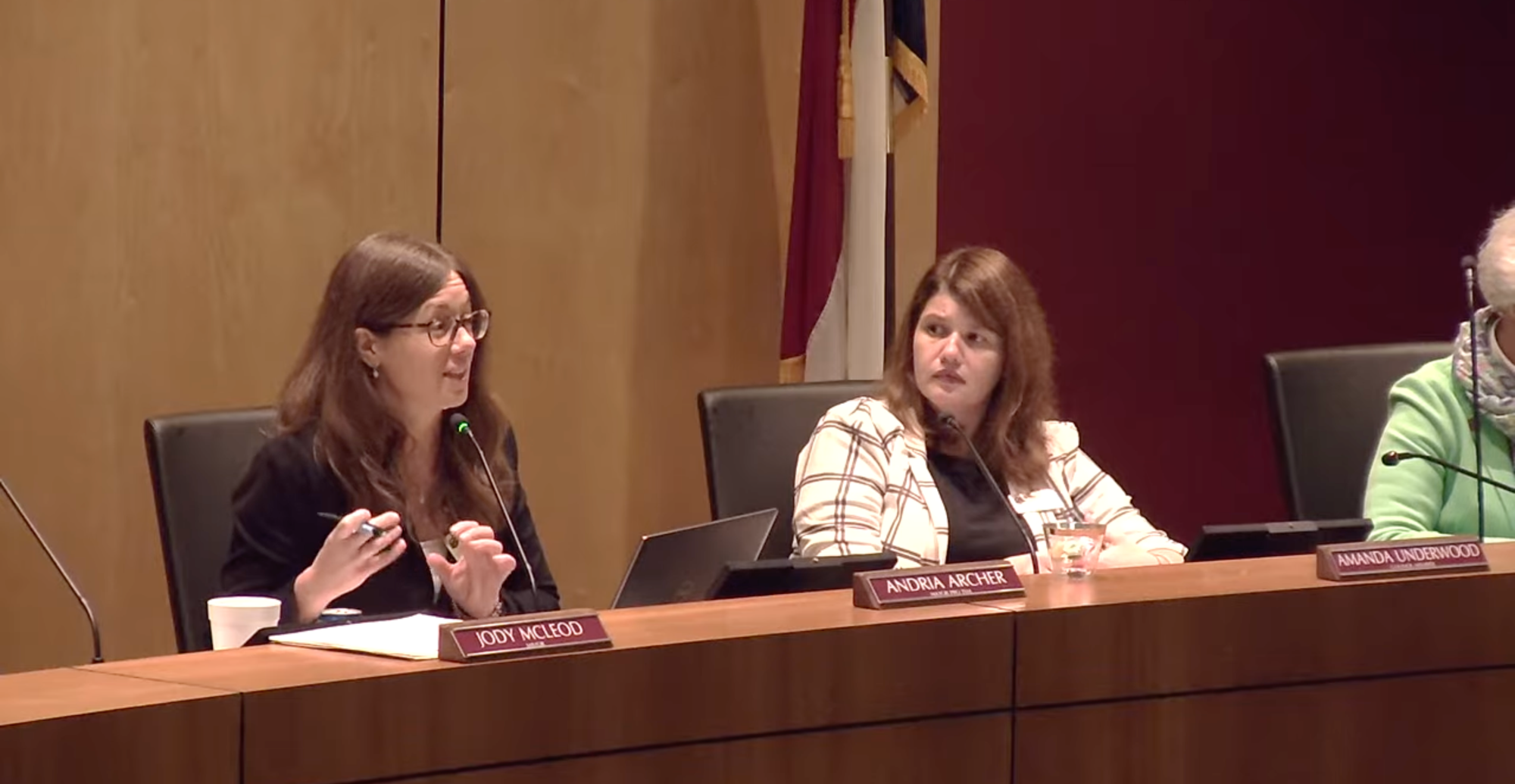
The Planning Board doesn’t make the final decision. Its recommendation is advisory, and Town Council was fully within its authority to reject it.
The Planning Board spent nearly two hours questioning the developer, listening to residents, and digging into unresolved details. Five members ultimately decided the project, as presented, was not appropriate for the location.
Town Council moved to approve the annex and rezoning anyway.
The Project Did Change
In council’s defense, the developer did make several changes from what the Planning Board saw based on their concerns and comments.
After the June meeting, Stotan agreed to prohibit data centers entirely. The developer also removed repair shops, vehicle repair and service, vehicle sales and rental, and minor utility uses from the list of permitted uses.
Buffers were increased along portions of the property adjoining homes, and the developer committed to road improvements and a privately funded extension of Clayton’s gravity sewer system.
These are big changes.
Still, this approval felt less like the conclusion of a thoughtful public process and more like the end of an economic development deal that town leadership had already decided it wanted.
The Case for Stotan Crossings
As mentioned earlier, this is a good project for the Town of Clayton’s tax base. If you pay taxes in Clayton, projects like this could reduce pressure on residential tax bills. Plain and simple.
The proposed industrial park could contain nearly 376,000 square feet of modern warehouse, distribution, or manufacturing space. The developer has described it as a “Class A” project, with concrete construction, higher ceilings, expanded office space, and other features intended to attract established industrial brands, specifically touting “Fortune 500 Companies” rather than the lowest bidder looking for a metal box beside the highway.
There is no announced tenant yet, so none of those benefits are guaranteed. But the property could eventually bring new employers, additional jobs and commercial tax revenue into Clayton.
<in my best Homer Simpson voice> Mmmmmmmmmm. Sweet sweet commercial tax revenue.
Clayton’s estimated tax base is approximately 78 percent residential, leaving only about 22 percent supported by commercial, industrial and other nonresidential property. That means homeowners bear an enormous share of the burden for police, fire protection, parks, roads, administration, and other services required by a fast-growing town.
Residential growth clearly is not paying for itself.
Earlier this month, Johnston County released a cost-of-services study that found that every dollar in commercial revenue required approximately 23 cents in public services. In contrast, every dollar generated by residential property required approximately $1.43 in public services. Again, these are countywide numbers, and the town is planning its own study this fall. But the broader lesson is clear and uncontroversial: commercial and industrial property can generate substantial tax revenue without creating the same demand for schools, parks, and public safety services as a large subdivision.
Industrial zoning is also difficult to replace once it is gone. Residential developers can generally pay more for land in the short term, which creates constant pressure to convert potential employment areas into subdivisions. If Clayton wants a more balanced tax base, it has to identify and protect places where manufacturing, distribution, research and other employment uses can realistically operate.
Stotan would also be responsible for substantial infrastructure work.
The developer has committed to extending Clayton’s gravity sewer system roughly 1.6 miles to the property, acquiring the necessary easements and paying the costs of design, permitting and construction. That infrastructure would eventually be dedicated to the Town and could support additional development in the area.
Required road work includes improvements along the Guy Road frontage, a dedicated southbound right-turn lane and a northbound left-turn lane at the primary entrance. The project also includes wider 80-foot buffers along much of the residential boundary, with the possibility of preserving existing mature trees or constructing landscaped berms.
These are real benefits for the entire area.
So, once again, this is a great project. But even great projects should be able to withstand meaningful neighborhood engagement and a public process that goes beyond the minimum legal requirements.
That’s where it gets stinky.
The Neighbors Are Here, And They’re Pissed
And they had every right to be.
The people living in the Golden Plantation neighborhood weren’t objecting to some distant development that they drive by on their way to work. Stotan Crossings will sit directly behind and beside their homes.
What is now a wooded property could become nearly 376,000 square feet of industrial space, including a building larger than five football fields, dozens of loading docks, trailer parking, employee traffic, exterior lighting and round-the-clock activity depending on the eventual tenants.
For the people who have lived here for decades, this wasn’t a theoretical discussion about Clayton’s tax base — which they aren’t a part of.
It’s their backyard.
Residents' frustration began with the neighborhood meeting process.
Stotan held the required meeting in January and presented the development as a two-building speculative industrial park for light manufacturing and warehouse distribution. The meeting checked the box required by the Town’s development ordinance.
Checking a box isn’t the same as building trust.
By the time the project reached the Town Council, the neighborhood was arguing that their concerns had not been meaningfully addressed and that the developer's communication had been inadequate. Council members themselves appeared frustrated with how the applicant had handled the neighborhood.
A justified frustration, but it also exposed the biggest problem with the entire process: Stotan did what Clayton required it to do.
The applicant sent the notices. It held the meeting. It collected questions. It submitted the paperwork. Town staff reviewed the application and moved it forward.
If that process wasn’t enough to make residents feel heard, then the failure doesn’t just belong to the developer. It belongs to the town rules that made the bare minimum acceptable.
And the neighbors had already seen what happened when they brought their concerns into the formal process.
The Planning Board listened.
Its members asked questions about the wells, buffers, grading, traffic, permitted uses and compatibility with the surrounding homes. They challenged the developer and Town staff on details that remained uncertain. After nearly two hours of discussion and public comment, the board voted 5–3 to recommend denial.
For the residents, that probably felt like the system working.
They showed up. They explained how the project would affect them. The board charged with reviewing land-use decisions took those concerns seriously and concluded that this particular industrial development did not belong in this particular location.
Then the project moved to Town Council, where that recommendation could be set aside with a vote.
Again, Council had every legal right to do that.
But when residents had already followed the process, attended the meetings, and persuaded a majority of the Planning Board, Council owed them more than frustration over the developer’s communication and a patronizing lecture about the need for economic growth.
It owed them a clear explanation of why their concerns were outweighed.
Because the neighbors weren’t necessarily demanding that Clayton stop growing.
They were asking why Clayton’s growth had to land directly behind their houses—and why the people making that decision seemed to have settled on an answer before they entered the room.
Town Hall Watch
Town Council Work Session | July 20
The Town Council’s July work session included a Parks and Recreation property-use study, a proposed paid community-service leave policy for Town employees, and a nearly hour-long presentation on renovation concepts for the former Clayton Fitness property.
The biggest item was the Clayton Wellness & Activity Center, the current name for the facility the Town purchased for $3 million. Council scheduled 55 minutes to discuss renovation concepts. Still, the agenda packet includes no plans, renderings, construction schedule, programming details, or explanation of what role—if any—the existing Clayton Senior Center and Johnston County Council on Aging would have in the new facility.
The discussion was listed as informational only, with no vote scheduled. That lack of detail is especially notable considering the history behind the purchase. The Town received $1 million in state funding that was allegedly originally sought for a “senior center” to assist the Council on Aging, before the legislative language was broadened to something else. The facility is now being planned as a general wellness and activity center, while the county-operated Senior Center appears to have been left out of the project.
Coming soon to The Dispatch: How did $1 million intended to help replace Clayton’s aging Senior Center become part of a $3 million wellness facility that no longer appears to include the seniors it was supposed to serve?
Upcoming Planning Board | Monday, July 27
The Planning Board has a lighter, mostly informational agenda for this month’s meeting. No rezonings, public meetings, or new development applications are scheduled for consideration.
Economic Development Director Joe Stallings will present a “State of the Economy” update covering Clayton’s population, tax base, commercial real estate market, and recent development activity. Among the figures included in the presentation deck: Clayton’s estimated tax base is 78% residential, 17% commercial, and 5% industrial ( reminder:Grifols and Novo Nordisk are not in Clayton’s tax base), while more than 70% of Johnston County residents reportedly commute outside the county for work. The town is also planning its own cost-of-service study for later this fall.
Planning Director Conrad Olmedo will then lead a training session on the Planning Board’s responsibilities, including the difference between conventional and conditional rezonings, how the board should evaluate public opposition, and the distinction between legitimate negotiation and using approval power to extract concessions from applicants.
Planning intern Abi Napier will also present an overview of her summer work, which has included strategic planning, records organization, development-map updates, and research into possible ordinance changes involving shipping containers (!!!), chicken coops, and other accessory structures.
The meeting begins at 6 pm at Town Hall and will be streamed on the Town’s YouTube channel.
Downtown Dispatch
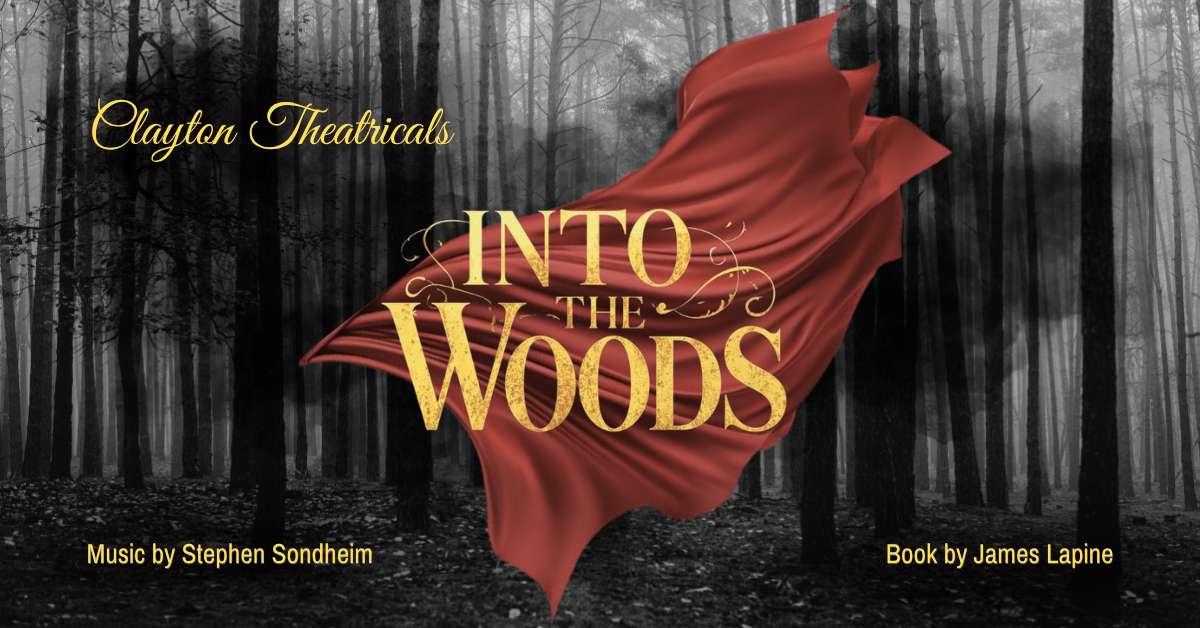
Clayton Theatricals Heads Into the Woods
Clayton Theatricals will bring Stephen Sondheim’s Into the Woods to The Clayton Center this week, with performances Thursday through Saturday.
The award-winning musical weaves together the stories of Cinderella, Jack, Little Red Riding Hood, the Baker and his wife, and other familiar fairy tale characters as they head into the woods in pursuit of their deepest wishes. What begins as a funny and imaginative adventure gradually asks a much harder question: What happens after “happily ever after”?
Performed by a cast of young local artists, the production features Sondheim’s celebrated score and
explores the unexpected consequences of the characters’ choices.
While the first act plays heavily on familiar fairy tales, the second half includes more mature themes involving grief, loss, and consequences, along with brief fantasy violence that may be frightening for younger children.
Performances are scheduled for Thursday, July 23 at 7 p.m.; Friday, July 24 at 7 p.m.; and Saturday, July 25 at 2 and 7 p.m. at The Clayton Center. Tickets are available through The Clayton Center.
Weekend Picks
A quick rundown of what’s happening around Clayton this weekend. Music, markets, food, family stuff, and anything else worth leaving the house for.
Friday

Elixir VI | 425 E. Main Street
Summer Fling: A Drag Affair | 8pm
Elixir VI will host Summer Fling: A Drag Affair on Friday night, with Ruby Liqueur serving as host and performances by Bella Beatrix Rouge and Mother Inc. The evening will also feature cocktails and food from The Lover’s Bite. Tickets are $15 in advance or $20 at the door, and seating is available on a first-come, first-served basis. Capacity is limited, so guests are encouraged to arrive early.
The Cardinal | 401 E. Main Street, Suite 111
The Phoebes | 10pm
The Phoebes will bring a late-night mix of rock and blues to The Cardinal, led by soulful vocals, electric guitar and a driving rhythm section. The Triangle-based band was named Best Local Band in WRAL’s 2024 Voters’ Choice Awards and has shared the stage with artists including Roy Roberts and Johnny Rawls. Music runs from 10 p.m. to 1 a.m.
Saturday

Main Street Community Garden | 439 E. Main Street
Midsommar | Movies in the Garden | 8pm
Tasty Film Co. will screen Ari Aster’s sun-drenched folk-horror film Midsommar under the stars at the Main Street Community Garden. Guests are encouraged to bring a lawn chair or blanket, explore local vendors and enter to win prizes before the movie begins. Tickets are available through Eventbrite, with proceeds benefiting the garden.
Deep River Brewing Company | 700 W. Main Street, Suite 102
Brewer Takeover | 12pm
Deep River Brewing Company’s brewers will step out from behind the tanks for an afternoon of pints, brewery talk and behind-the-scenes access. Brewer Joseph will be behind the bar from noon to 5 p.m. answering questions, while Brewer Bobby leads brewery tours from 2 to 4 p.m. Tours are $20 and include a guided look at the brewing process, a curated beer flight and tastings of barley and hops.
Sunday
Town Square at The Clayton Center
Walk Where History Happened | 5pm & 6pm
Hocutt-Ellington Memorial Library will lead a 45-minute walking tour through downtown Clayton, highlighting local landmarks and the stories that helped shape the community. Tours begin at Town Square at 5 and 6 p.m. Registration is required.
The Clayton Magnolia Inn | 507 E. Second Street
Summer Garden Soirée | 1:30pm
The Clayton Magnolia Inn will host an elegant midsummer tea featuring tiered service with savory bites, delicate sweets and loose-leaf selections in the historic inn. Guests can add champagne or mimosas and enjoy a 75-minute seating surrounded by seasonal garden-inspired décor. Porch seating will be available weather permitting, and reservations are limited.
One Good Thing
Every week, we're going to try and end on a positive note. Snapshots of Clayton history, local legends, monumental ackomplishments in the community, and more. This section is supposed to make you feel good.
Clayton’s History Gets Spooky
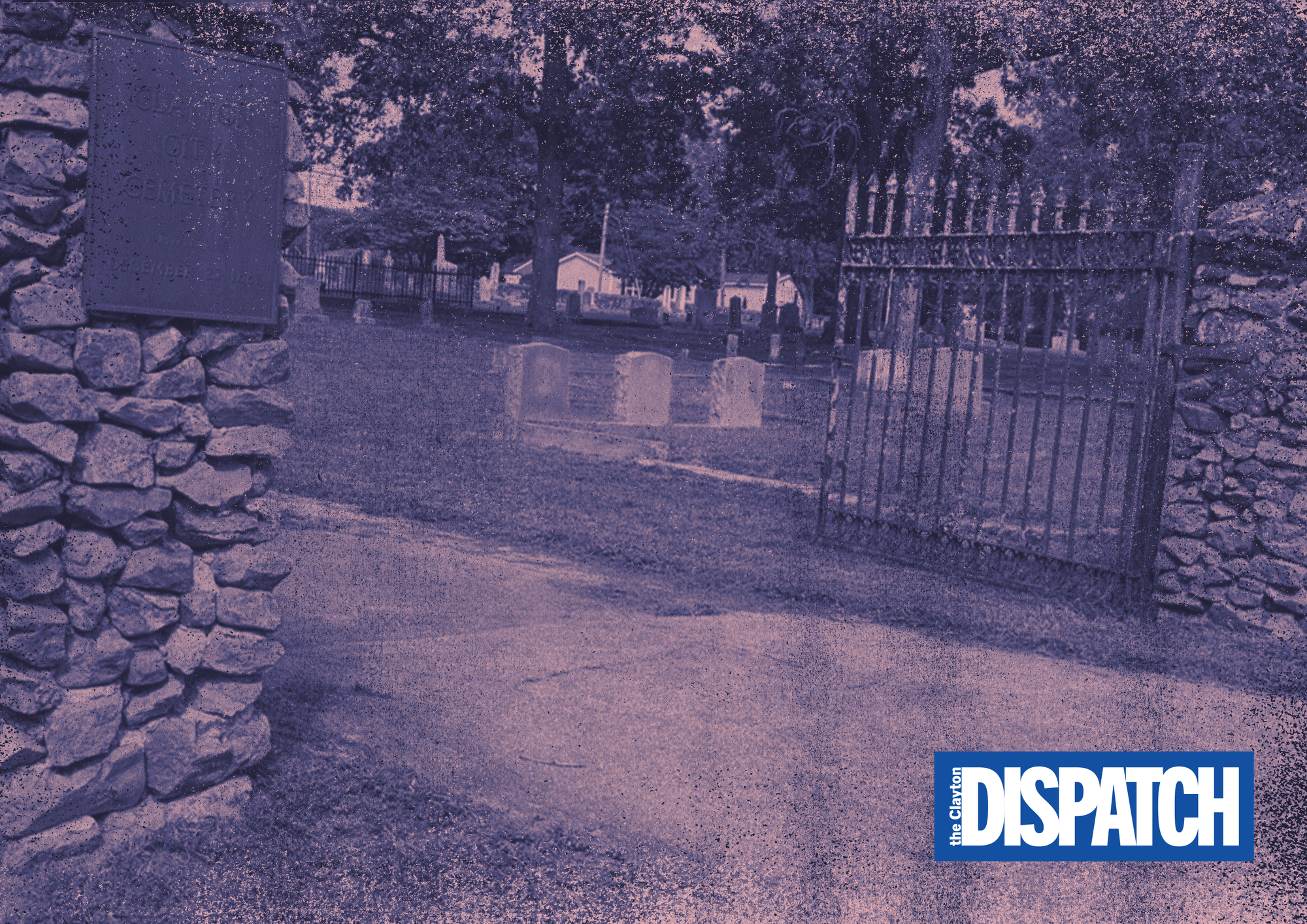
After the sun sets in Downtown, Clayton Ghost Walks emerges from the dusk, offering a different way to experience some of the town’s history: on foot, by lantern light, and through stories that blur the line between local history and the unexplained.
Owner Doug Pawlak and fellow guide Kara Shoup lead walking tours through downtown Clayton, stopping at familiar buildings and locations connected to ghost stories, local legends, and reported paranormal encounters. But Pawlak says the goal is not simply to tell scary stories. He works to ground the tours in historical research and verify the details through primary sources whenever possible.
That approach comes naturally. Pawlak has spent nearly 25 years teaching history and has long used storytelling to keep students engaged. During family trips to historic places, he often found himself signing up for ghost tours. Eventually, he began wondering what stories might be hiding in the town where he lives.
Pawlak spent years gathering stories, researching locations, and listening to accounts of strange experiences before launching Clayton Ghost Walks last summer. The response came quickly: the first two months of tours sold out, and customers began contributing stories of their own.
Shoup played an important role in shaping the experience, helping refine stories and plan the walking route. Pawlak also credits his wife, Shannon, friends, former coworkers, and tour goers with offering encouragement and suggestions as the tour developed.
The result is part history lesson, part live storytelling performance, and part spooky night out in Downtown Clayton. Pawlak greets guests with a flickering lantern and leads them through downtown for roughly an hour using detailed narration and sound effects to bring the stories to life.
Recent guests have praised the tour for being creepy without losing the history behind it. One young attendee described it as “spine-chilling and informative” while another said visiting the actual locations made it easier to imagine the events unfolding.
The balance of creepiness and historical facts is what makes Clayton Ghost Walks such a good addition to downtown. It gives residents and visitors a reason to slow down, look more closely at buildings they may pass every day, and learn about the people and events that shaped the town.
And whether every story has a supernatural explanation almost feels beside the point.
Clayton Ghost Walks is keeping local stories alive, bringing people into downtown and proving that history gets a little more interesting after dark.
There are currently two upcoming tours available to book online. Doug also does private tours, and that sounds like a great company outing to us!

Tipline/Subscribe/Share
Got a tip, event, question, concern, or weird little Clayton thing we should know about? Send it to The Dispatch.
Not subscribed yet? Join the list and get The Weekender in your inbox every Thursday morning.
Already subscribed? Help us grow by forwarding this to a friend, sharing it on social, or sending it to that one person who always says, “Wait, when did that happen?”