The Weekender: The Harvest Festival Issue

Good morning, Clayton!
Welcome to the Harvest Festival Issue!
If you've followed me at all online, you probably know I have some pretty strong feelings about the festival, and they're often critical.
For this week's lead, I've done my best to lay out the facts, set my personal feelings aside, and let the information speak for itself.
We've got lots of other stuff this week, too. It's a pretty action-packed issue!
So, let's jump right into it!
The Dispatch Lead
Harvest Festival: Public Streets, Public Money, Private Decisions
As Clayton prepares to celebrate 75 years of the Harvest Festival, downtown merchants are asking who gets a say in an event that costs taxpayers tens of thousands of dollars.
In 1951, the Clayton Merchants Association organized the Cotton Festival. It was a simple enough idea: celebrate Clayton, its agricultural heritage, and the businesses that made up the community.
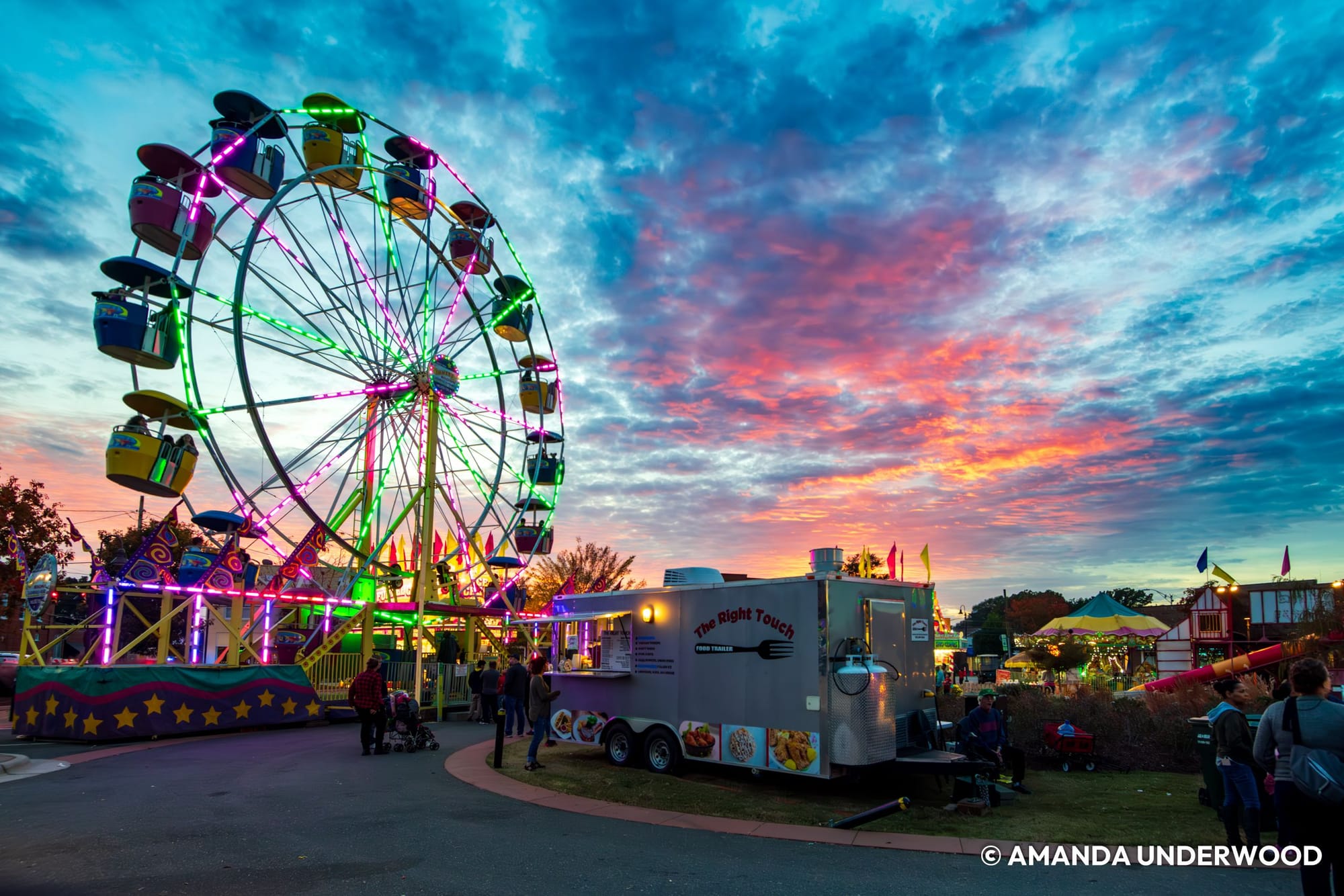
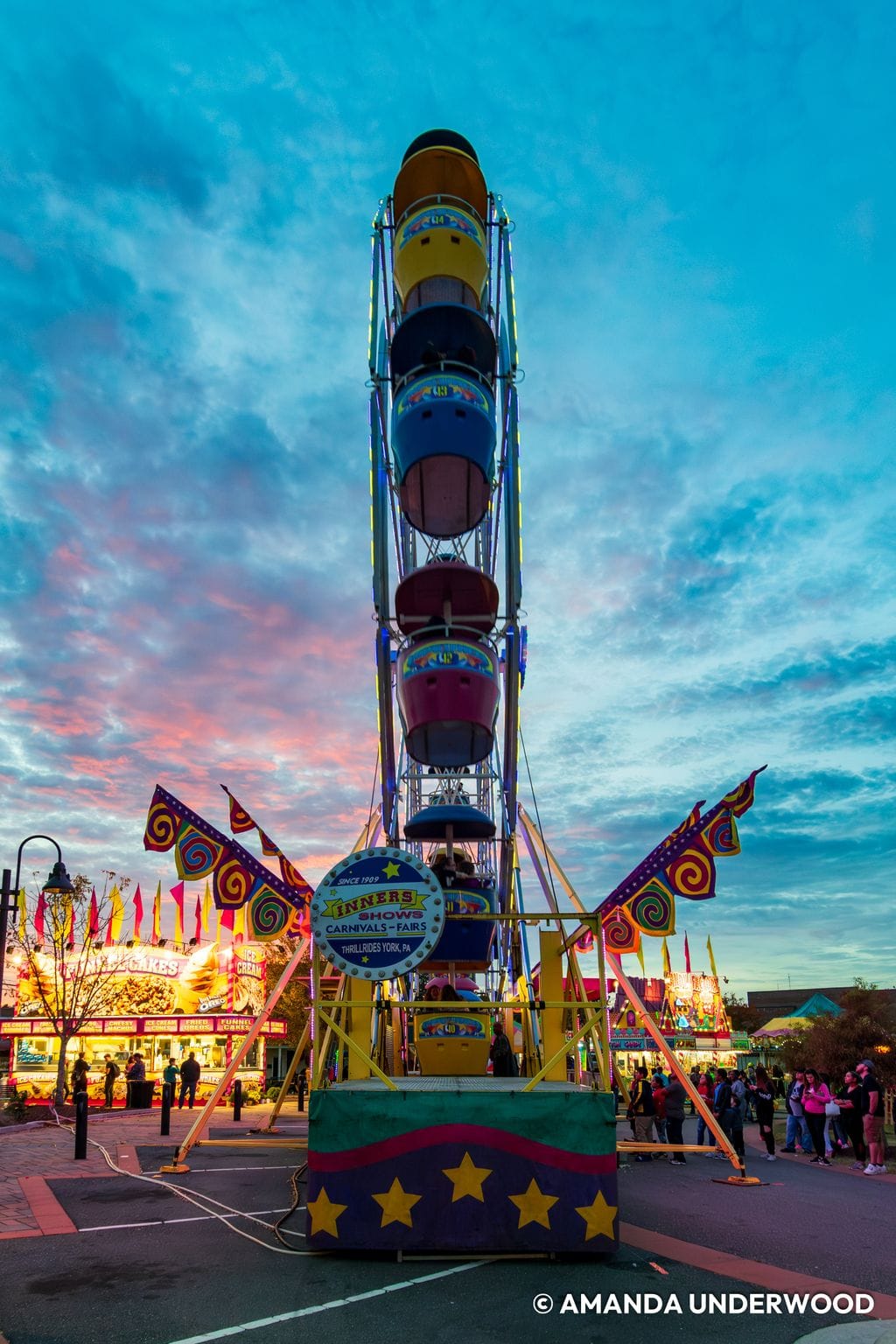
Seventy-five years later, that little festival has grown into the Clayton Harvest Festival, a four-day celebration drawing an estimated 30,000 visitors to Downtown Clayton every October. With carnival rides, live music, food, a car show, and hundreds of vendors lining Main Street, it's become one of the town's largest and most recognizable annual traditions.
It's also become a major source of revenue for the Clayton Chamber of Commerce, which plans and operates the festival.
But as the Chamber prepares to celebrate the festival's 75th anniversary next week, some of the businesses that operate along Main Street 365 days a year are asking a question:
Who is the Harvest Festival actually supposed to benefit?
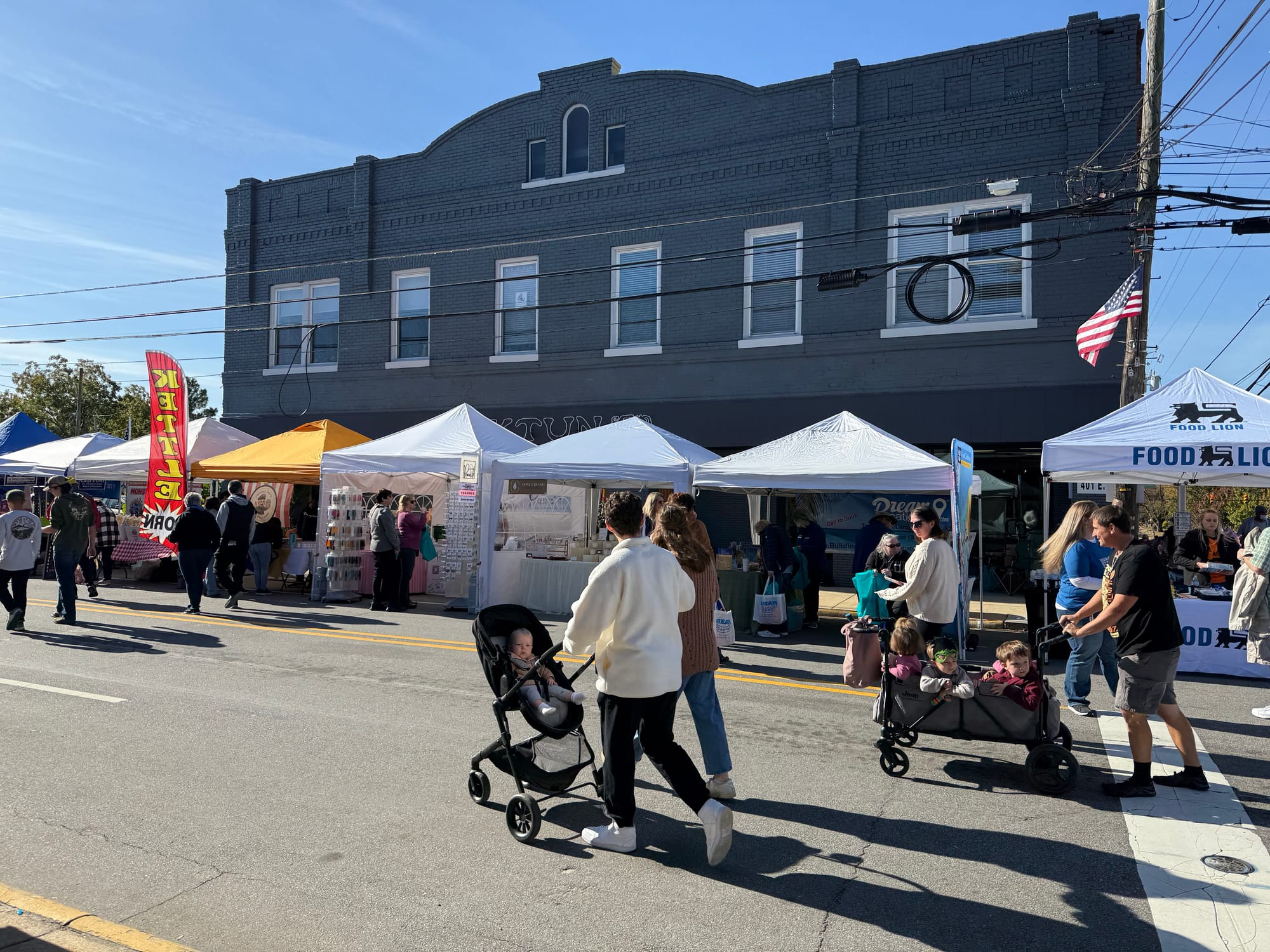
Earlier this year, the Chamber announced it was reversing a two-year compromise that gave downtown businesses 20 feet of complimentary space in front of their storefronts during the festival's Saturday vendor fair.
Instead, that allowance would return to 10 feet, and merchants would have to pay an additional fee to keep the previous arrangement.
The decision prompted objections from downtown business owners who say the larger space improved customer access, storefront visibility, and their ability to participate in one of downtown's busiest shopping days.
The Chamber says the additional space created gaps between vendor booths that negatively affected pedestrian traffic, particularly toward the far end of Main Street.
And while the disagreement might sound like a fight over 10 feet of space, it raises some much larger questions about the relationship between the Chamber, downtown merchants, and the Town of Clayton.
Especially when the Town spends tens of thousands of taxpayer dollars to help make the festival happen.
The Compromise That Didn't Last
For years, downtown merchants have complained that visiting festival vendors set up directly outside their storefronts, sometimes blocking visibility and making it hard for customers to access their businesses.
In 2024, after downtown merchants asked for their entire storefront to be free and clear of vendors, the Chamber agreed to try something different.
Instead of the customary complimentary 10-by-10-foot space, businesses were offered a compromise of a 10-by-20-foot footprint.
That extra space let merchants set up outdoor tents, merchandise displays, or other activities while keeping a clear path into their storefronts.
The arrangement continued through the 2025 festival.
For some merchants, the difference was significant.
"Having 20ft of space certainly helped out as it allowed us to put up a tent and maintain a 10ft space to allow customers access to our store," said Oisin Finn, owner of BLVD in Downtown Clayton.
Finn explained that under the previous arrangement, businesses had to choose between setting up outside to capture sales from festivalgoers or leaving the space open so people could get into their stores.
And the financial implications extend beyond Saturday's vendor fair.
According to Finn, road closures and reduced parking on Thursday and Friday can hurt regular customer traffic in the days leading up to the festival. Saturday then becomes an opportunity to recover some of that lost business.
With only 10 feet of complimentary space, Finn says he's once again being forced to choose between setting up a tent to attract festivalgoers and maintaining access to his storefront.
For Finn, who has operated a downtown business for nearly a decade, the decision to reverse the compromise came as a surprise.
"As someone who has been a downtown business owner for nearly 10 years, it came as quite a shock that the chamber took it upon themselves to make this decision and break our previous agreement," Finn said.
But he also made something clear: he isn't opposed to the festival.
"I believe the chamber does a lot of good things, including the Harvest festival," Finn said, adding that most downtown business owners he knows support the event.
He is frustrated by the decision to change an arrangement businesses believed was working and by the lack of merchant involvement before the decision was announced.
The Chamber's Explanation
In written correspondence sent to downtown businesses earlier this year, Clayton Chamber President and CEO Dana Wooten explained that visiting festival vendors had raised concerns about the gaps created by the 20-foot arrangement.
According to Wooten, those gaps reduced foot traffic toward the far end of the festival, and Chamber staff independently reached the same conclusion through their own evaluation.
The Chamber also pointed to its responsibilities as a membership-based organization.
Wooten wrote that the Chamber must make decisions that serve its membership and protect the long-term sustainability of an event that helps fund workforce development, education, youth mentoring, and entrepreneurship initiatives.
For those reasons, the Chamber decided to return complimentary storefront spaces to 10 feet while offering downtown businesses a 50% discount on additional space.
The Chamber characterized that discount as an accommodation, noting that the same discount wasn't extended to its own investors.
But for merchants who had received 20 feet of complimentary space for the previous two festivals, the new policy meant paying to maintain an arrangement they already had.
Finn also questioned the Chamber's explanation.
He pointed out that businesses could still obtain the larger footprint if they paid for it.
"However, if we were to pay them hundreds of dollars for this 20 ft, somehow then it would work. The problem somehow disappears. Magic."
There is a distinction worth making here. An occupied, paid-for booth isn't necessarily the same thing as an empty gap between vendors. But the Chamber's correspondence doesn't establish precisely how the additional space would be used or why the paid arrangement would address the traffic concerns.
Finn also believes some breaks between booths could actually improve the experience for festivalgoers.
He pointed to elderly attendees, people with special needs, and parents with young children who may benefit from places to step away from the crowds.
Those observations aren't evidence of a safety violation, but they introduce another consideration beyond maximizing pedestrian traffic past vendor booths.
Merchants Push Back
On March 30, downtown business owners and Town officials received an email encouraging merchants to attend an April 2 meeting with Chamber leadership.
The meeting came after the decision to return complimentary storefront spaces to 10 feet had already been communicated to affected businesses.
In a March 31 response, Wooten welcomed participation and said the Chamber would address merchants' concerns at the meeting.
But the meeting did not produce another compromise.
Downtown merchants had also organized a petition calling for storefronts to remain free and clear during the festival, collecting signatures from nearly every Main Street business.
In correspondence after the meeting, Christi Thompson, owner of multiple Downtown businesses, including The Station, LaDiDa Wine Shop, and Three Little Birds, acknowledged that the Chamber had its own concerns about vendor traffic and the festival's sustainability.
"Here's the deal, we have a petition that represents the voice of the Downtown Businesses and the Chamber has information and data that presents a risk to their festival. Neither of us are wrong or more important, but we do need to find a solution that can bridge the challenges and make this event successful for Downtown."
Rather than simply demanding that the Chamber reverse its decision, merchants proposed several alternatives intended to address concerns about pedestrian traffic toward the far end of Main Street.
Among those proposals was an Artist Village near the Main Street Community Garden, offering discounted spaces for handmade artists, additional entertainment, and marketing designed to encourage visitors to explore the entire festival.
Other suggestions included relocating portions of the car show, adding live music near Smith Street, and creating additional attractions at the eastern end of Main Street.
Thompson also suggested bringing the Town's Downtown Development Advisory Board into the conversation and assembling a group of merchants to work alongside festival organizers.
"We have an active creative business community, an engaged council, a fully functional DDA, and a 75-year award-winning festival; this seems like a dream team in my opinion."
She offered to volunteer her time and experience to help develop a solution, emphasizing that collaboration could address both the Chamber's and downtown businesses' concerns.
In subsequent correspondence, Wooten acknowledged receiving the suggestions but explained that significant changes would not be made; the Chamber maintained its decision.
Despite a petition, a meeting with Chamber leadership, and several proposed alternatives, downtown merchants were left with the same two options: operate within the reduced 10-foot complimentary space or pay to maintain the larger footprint they had received for the previous two festivals.
What About the Town?
While downtown merchants appealed to Chamber leadership, the Town of Clayton also worked to find a compromise.
In an email to downtown business owners and Town officials, Town Manager Rich Cappola clarified the Town's role in the Harvest Festival and explained why municipal officials couldn't simply override the Chamber's decision.
"Per the executed MOU between the Town and CCoC, they are the official event organizer and hold ultimate programming and financial responsibility for the festival," Cappola wrote.
According to Cappola, that responsibility includes vendor registration, communication, selection, pricing, and placement.
"Based on these terms, the Town cannot unilaterally direct the Chamber to revert to the previous layout."
But Cappola also confirmed that the Town had formally asked the Chamber to reconsider.
"That said, we have formally requested that the Chamber strongly consider maintaining the vendor placement used in recent years (specifically space allotments made available to the brick-and-mortar businesses)."
Cappola said Town officials had also suggested alternatives to address the concerns of both downtown merchants and festival organizers and encouraged the Chamber to meet with business owners to explain its decision.
He emphasized that the Town viewed the festival as something that benefits the entire community.
"It is a once-a-year opportunity to celebrate the closeness that makes Clayton special, and keeping that mission clear is essential as we navigate through this issue."
But Cappola's explanation prompted another question from downtown business owner Christi Thompson.
"Just to clarify, why wasn’t their agreement with the businesses accepted in 2025 (and something they accepted TWO awards for) adopted into the MOU?"
Thompson questioned why the arrangement previously negotiated with downtown merchants hadn't been incorporated into the Town's formal agreement with the Chamber.
"The event and the businesses that participate make this event successful. We are Main Street."
She also offered to organize another meeting between downtown business owners and Chamber leadership to seek a final answer on the storefront policy.
And the Town's efforts didn't stop with the Town Manager.
Mayor Jody McLeod told The Clayton Dispatch that he personally met with Chamber President and CEO Dana Wooten and asked her to reconsider reducing complimentary storefront space for downtown businesses.
According to McLeod, Wooten declined.
Despite appeals from downtown merchants, the Town Manager, and the Mayor, the Chamber maintained its decision to return "complimentary" storefront space to 10 feet for the 2026 festival.
And that raises another question: When an event takes place on public streets, requires substantial municipal resources, and directly affects the businesses operating there year-round, how much influence should the Town have over the decisions being made?
What Does the Festival Actually Cost Clayton?
While the Clayton Chamber of Commerce organizes and operates the Harvest Festival, putting on a four-day event of this size requires considerably more than booking vendors and arranging entertainment.
It also requires a substantial commitment of public resources.
According to Town of Clayton records obtained and published by JoCo Sass Dispatch, the Town incurred $43,811.10 in direct costs supporting the 2025 Harvest Festival.
The Clayton Police Department accounted for the overwhelming majority of that expense, $37,790.50. The Fire Department added another $2,065, followed by Operations at $1,835.60, Community Development at $1,301.43, and Parks & Recreation at $818.57.
Altogether, that's $43,811.10 in documented municipal expenses for a single festival.
But that figure doesn't tell the whole story.
According to the Town's accounting, those expenses include overtime paid to nonexempt employees and nonreusable supplies associated with the festival.
They do not include the cost of salaried staff time, Town vehicles, marketing, signage, barricades, and other reusable municipal equipment.
In other words, $43,811.10 is the Town's documented direct expense, not the total value of every public resource devoted to the event.
And a separate Town work order provides a clearer picture of just how extensive that commitment is.
Eleven Days of Work for a Four-Day Festival
The Town's 2025 Harvest Festival work order covers October 17 through October 27, an 11-day period surrounding the festival.
According to the work-order summary published by JoCo Sass Dispatch, more than a dozen municipal departments and divisions were involved in preparations, operations, and cleanup.
That includes:
- Public Works: Preparing and grading First Street, then collecting barricades, signage, and traffic cones after the event.
- Streets: Installing and filling water barricades and placing road-closure signs at more than 20 intersections.
- Water & Electric: Testing backflow prevention, providing utility access, checking meters before and after vendor use, and recording usage for billing.
- Police: Managing no-parking zones, providing a motorcycle escort, and staffing the Emergency Operations Center.
- Fire & EMS: Staffing an ATV unit and providing personnel for the Emergency Operations Center.
- Parks & Grounds: Delivering and emptying trash cans, constructing fencing around the concert area, and supporting emergency operations.
- Communications: Covering the festival and ribbon-cutting activities through photography, video, and drone operations.
The work-order summary also identifies four days of road closures associated with the festival.
It's a considerable undertaking, involving employees and equipment from across Town government departments.
And much of that work falls outside the expenses reflected in the $43,811.10 total.
What Does the Town Get in Return?
Under its arrangement with the Chamber, the Town provides municipal services and access to public streets, while the Chamber serves as the official event organizer.
The Town's records identify eight vendor spaces and recognition as a "Community Host Sponsor" among the benefits it receives for its support.
The Chamber also pays for its own metered electricity and water usage.
The $43,811.10 is not a check the Town writes to the Chamber. It represents expenses Town departments incurred supporting the festival.
And municipal support for major community events isn't inherently unusual.
The Harvest Festival brings thousands of visitors downtown, creates opportunities for local businesses, and provides several days of entertainment for residents. Those benefits matter, even if they don't all show up in a line-item budget.
But this arrangement has another side.
The Chamber controls vendor registration, booth pricing, sponsorships, and placement decisions, while the Town provides the public infrastructure and services needed to run the festival.
According to Town Manager Rich Cappola, the memorandum of understanding between the Town and Chamber places ultimate programming and financial responsibility for the festival with the Chamber.
That agreement also limits the Town's ability to direct decisions about vendor placement, as demonstrated by its unsuccessful efforts to preserve the previous storefront arrangement.
The Financial Questions That Remain
The Chamber collects revenue from vendor registration, sponsorships, and other festival activities. It also covers the costs of organizing and operating the event.
Chamber leadership has said the festival supports the organization's broader community and business-development programs.
But the publicly available financial information we've examined doesn't provide a festival-specific accounting of how much revenue the event generates, what it costs the Chamber to operate, or how much money remains after expenses.
Without those figures, we can't reliably determine the festival's financial contribution to the Chamber or compare it directly with the Town's documented expenses.
None of this means the Harvest Festival isn't worth the Town's investment.
The event has shaped Clayton's identity for 75 years, and its economic and community benefits shouldn't be dismissed.
But with tens of thousands of dollars in documented municipal expenses, additional public resources that aren't fully accounted for, and a private organization making final decisions about how public streets are used, the arrangement raises a couple of reasonable questions:
How much financial transparency and public accountability should accompany the operation of one of Clayton's largest community events? And how much power should one organization have over municipal decisions?
Whose Main Street Is It? (Dan's Take)
There's no question that the Harvest Festival brings people to Clayton.
Many people look forward to it every year, and plenty of downtown businesses benefit from the extra visitors.
I can speak to that firsthand.
As many of you know, my wife and I own Odd One Out on Main Street. We've been directly involved in the merchant discussions surrounding the festival's layout.
For our store, the difference in sales between the years when we had 10 feet of storefront space and the years when we had 20 feet amounts to thousands of dollars.
Stop for a second and think about that. Imagine losing thousands of dollars in sales because an organization decided to take away an arrangement that was working for the community, then offered to sell it back to you.
How would you react?
Of course, that comparison doesn't prove the extra space alone drove the sales increase. But it should give you some insight into why this issue matters to us, and why "just shut up and deal with it" isn't an appropriate response.
As I mentioned in the opening note, the Harvest Festival has been a long-standing point of contention for me. I'm sharing that because I believe you, the reader, deserve to understand my relationship to this issue and where I'm coming from.
But the larger questions extend well beyond one business, one merchant, or even one festival.
The Harvest Festival occupies public streets, receives substantial taxpayer-funded support, and affects businesses that operate downtown every day of the year.
The fact that the Chamber considers the space directly in front of our storefronts, where we pay rent and operate our businesses year-round, something they're generously providing as "complimentary" reflects a fundamental difference in perspective I'll never be able to comprehend.
I understand that Main Street is public property. But I also believe the businesses that operate there 365 days a year should have some say in how that public property is used when it directly affects their livelihoods.
The Chamber has said its decisions are meant to protect the festival's long-term sustainability and serve its membership.
Downtown merchants, meanwhile, have questioned whether we have any meaningful influence over decisions affecting our storefronts and livelihoods.
Those interests aren't necessarily incompatible.
The unanswered question is how the Town ensures it considers all affected parties when a private organization runs a major event on public property and with municipal resources.
Seventy-five years ago, Clayton's merchants came together to celebrate their town and its businesses.
Today, the Harvest Festival is bigger than those original organizers could likely have imagined.
And as Clayton prepares to celebrate that milestone, the relationship between the festival and the businesses lining Main Street should remain an important part of its story.
At the end of the day, when the carnival rides leave, the vendor tents come down, and Main Street reopens, our businesses will still be here.
We'll be here the rest of the year, too.
Town Hall Watch: A Busy Week for Town Council
Clayton Town Council has two meetings scheduled next week: its regular meeting Monday evening and a daylong planning retreat Wednesday. Here's what's on the agenda.
Monday, October 19 · 6 PM · Town Hall, 111 E. Second St.
- Ramblewood Industrial Development: Council will hold public hearings on annexing approximately 24.4 acres along Clayton Boulevard and Ramblewood Drive and rezoning the property for industrial and commercial development.
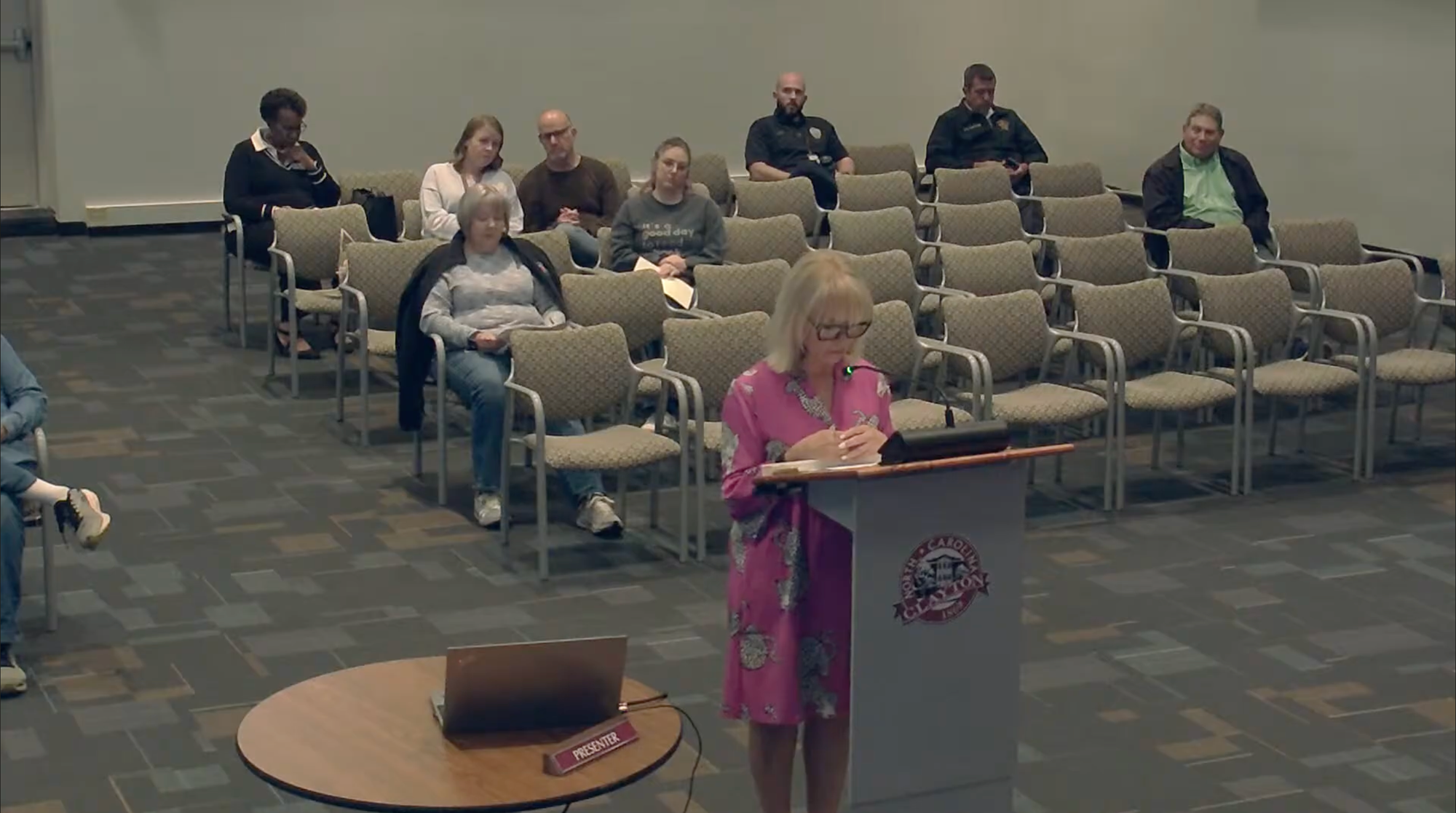
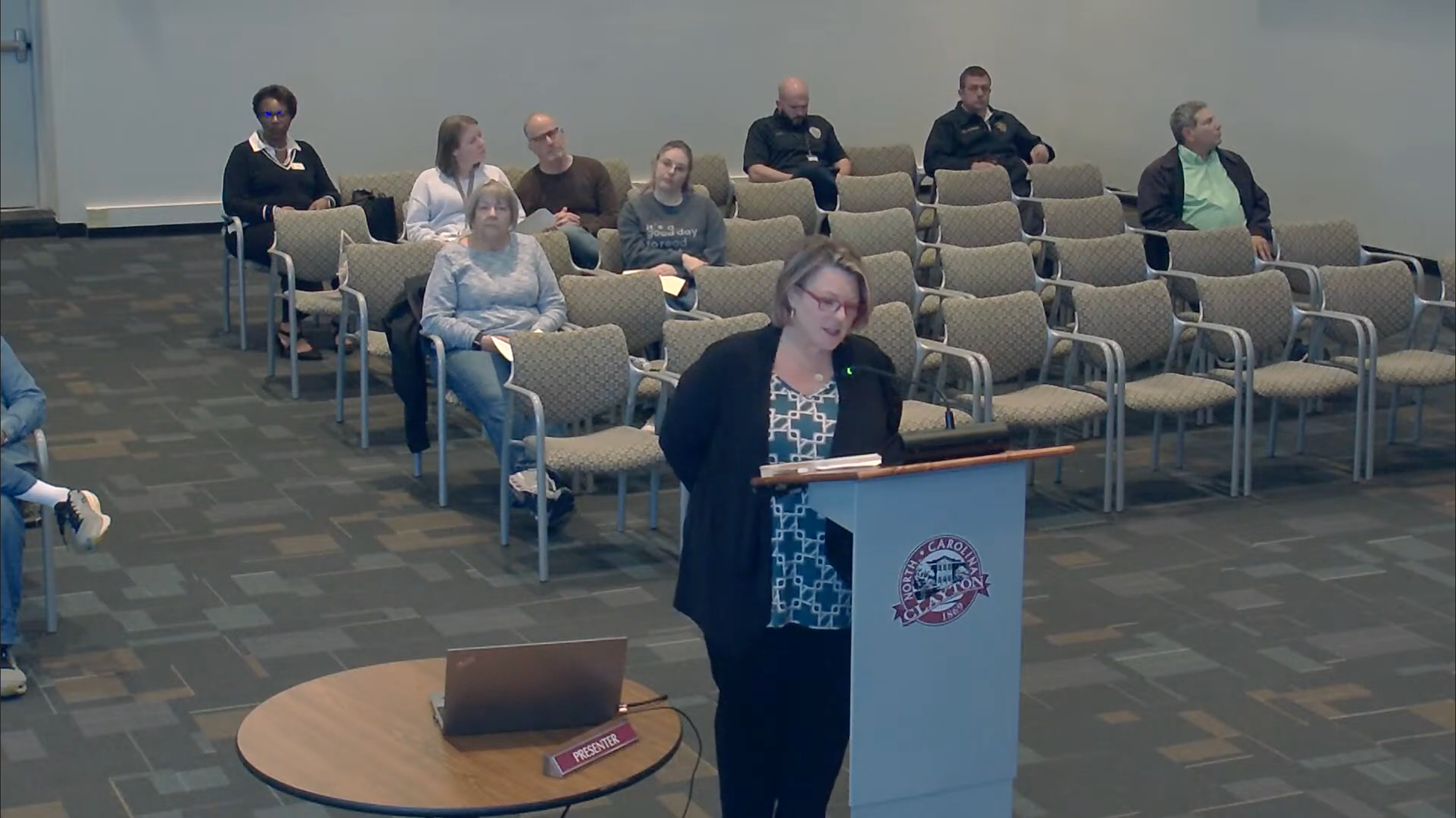
- Clayton Harvest Festival: Chamber President Dana Wooten and Maria Smith are scheduled to give a presentation ahead of the festival's 75th anniversary.
- New Public Safety Complex: Council will consider annexing approximately 1.08 acres at 151 Short Johnson Road for the planned Clayton Southwest Public Safety Complex.
- Federal Transit Funding: Council will consider an agreement with Johnston County, JCATS, CAMPO, and Raleigh to access federal transit funding for the Clayton urbanized area.
- Other Business: The agenda includes the sale of three surplus police vehicles to other municipalities, acceptance of a $4,500 arts grant, appointment of deputy finance officers, and a closed session to discuss a legal matter.
⠀Wednesday, October 21 · 8:30 AM–5 PM · Hocutt-Ellington Memorial Library, 100 S. Church St.
- Clayton Wellness & Activity Center (8:40 AM): An update on the Town's planned conversion of the former Clayton Fitness facility.
- Robertson Mule Barn (9:50 AM): Town staff and HH Architecture will discuss the future of the historic property.
- Capital Improvement Projects (11 AM): Updates on the Town's capital improvement program.
- Financial Analysis (11:30 AM): Davenport & Co. will present a financial analysis.
- Budget and Strategic Planning (1 PM): A review of the Town's budget manual followed by a discussion of its strategic plan.
- Police Operations (2:15 PM): Police Chief Greg Tart will provide an operational update.
- The Clayton Center (3 PM): Planning for the venue's 25th anniversary gala.
- Town Clerk Policy Updates (3:30 PM): Policy discussions followed by an open discussion period beginning at 4:15 PM.
Downtown Dispatch
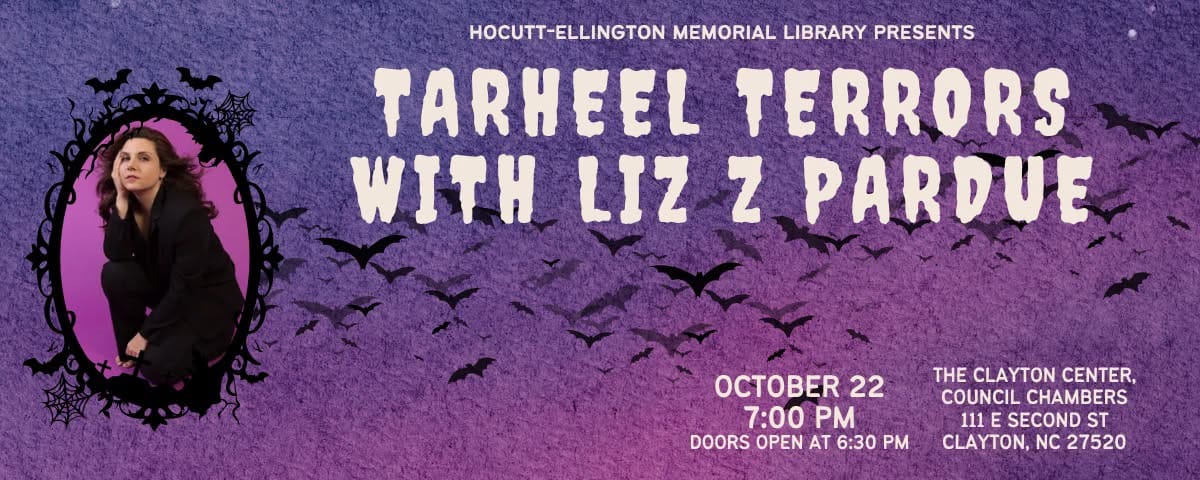
Tarheel Terrors: North Carolina's Spooky Side Comes to Clayton
North Carolina has no shortage of ghost stories, strange creatures, unsolved mysteries, and downright bizarre history. And just in time for Halloween, storyteller and author Liz Z. Pardue is bringing some of the state's creepiest tales to Downtown Clayton.
On Thursday, October 22, Pardue will present Tarheel Terrors, a free, hour-long exploration of North Carolina's haunted history, mysterious creatures, forgotten folklore, and true crime.
Pardue has spent nearly 40 years collecting and preserving stories from across the state. She's also the founder of Sisterhood of Spirits, a company specializing in ghost tours and spooky theatrical productions, and the author of Fuquay-Varina Ghosts, Legends, & Lore. Her work has appeared in publications including Atlas Obscura and TIME.
And don't expect a dry history lecture. Pardue mixes storytelling, history, and stand-up comedy to bring the stranger side of the Tar Heel State to life.
Tarheel Terrors takes place Thursday, October 22, from 7–8 p.m. in the Clayton Town Council Chambers at 111 E. Second Street. Doors open at 6:30 p.m. Admission is free, and the program is intended for adults.
A Standing Ovation for The Unsanctioned Rehearsals Society!
A big congratulations to the folks at The Unsanctioned Rehearsals Society, who have officially SOLD OUT their entire run of Villains**!** It's great to see our local performing arts community getting this kind of support, especially for an independent theater production right here in Downtown Clayton.
Missed out on tickets? Don't give up just yet! The group is currently accepting standby ticket requests, so you still have a chance to catch the show.
Congrats to the entire cast and crew on a fantastic achievement!
Weekend Picks
A quick rundown of what’s happening around Clayton this weekend. Music, markets, food, family stuff, and anything else worth leaving the house for.
Presented by The Clayton Center.

FRIDAY
Main Street Community Garden | 439 E. Main St.
Movies in the Garden: Watership Down | Friday, After Dark
Grab a chair or blanket and head to the Main Street Community Garden this Friday for a screening of the beautiful, strange, and surprisingly brutal 1978 animated classic Watership Down! When a young rabbit named Fiver has a terrifying vision of his home being destroyed, he and his brother Hazel lead a group of rabbits across the English countryside in search of a new home. Part adventure, part mythology, and part nightmare fuel, this is definitely NOT your typical cute bunny movie. A perfect pick for a chilly October night under the stars, with proceeds benefiting the Main Street Community Garden. Parents beware: Despite being animated, this one contains some pretty intense violence and frightening imagery. Previously purchased tickets are still valid!
Pottery Camp | 12973 Clayton Blvd.
Clay Workshop: Build Your Pumpkin | Friday, 4–5:30 pm
Get your hands dirty and make your very own pumpkin at Pottery Camp this Friday! Their beginner-friendly clay workshop lets you hand-build and personalize a one-of-a-kind pumpkin, with staff guiding you through the entire process and providing all the materials. No experience necessary, and it's great for ages 8 and up, so bring the kids or a few friends! Your pumpkin will be fired and ready to paint in approximately 7–10 days. The workshop costs $28 per person.

SATURDAY
LaDiDa Wine Shop | 459 E. Main St.
Fall in Love with October | Saturday, 6:30 pm
Fall weather, good wine, and a little live jazz? Sounds like a pretty great Saturday night! Head over to LaDiDa Wine Shop for an evening of seasonal wine and beer tastings, paired fall-inspired snacks, and live music from Grammy-nominated jazz guitarist Charles Newkirk. Tastings kick off at 6:30 pm, with Newkirk performing from 7–9 pm. It's first come, first pour, so get there early, grab a glass, and settle in for a cozy night in Downtown Clayton. Ages 21 and up.
Artmosphere Community Arts Center | 3919 Raleigh Road
Mosaic Class: Terra Cotta Bird Bath | Saturday, 1–5 pm
Get creative and make something beautiful for your backyard this Saturday at Artmosphere Community Arts Center! This hands-on workshop will teach you the basics of outdoor mosaic making, including design, cutting, and adhesives, as you create your very own 10-inch terra cotta bird bath. No need to bring anything but closed-toe shoes and safety glasses — all other materials are provided, with plenty of colorful options to make your creation one of a kind. The class is $75 per person, and you'll leave with a finished project ready to show off in your garden!
SUNDAY
Deep River Brewing Company | 700 W. Main St.
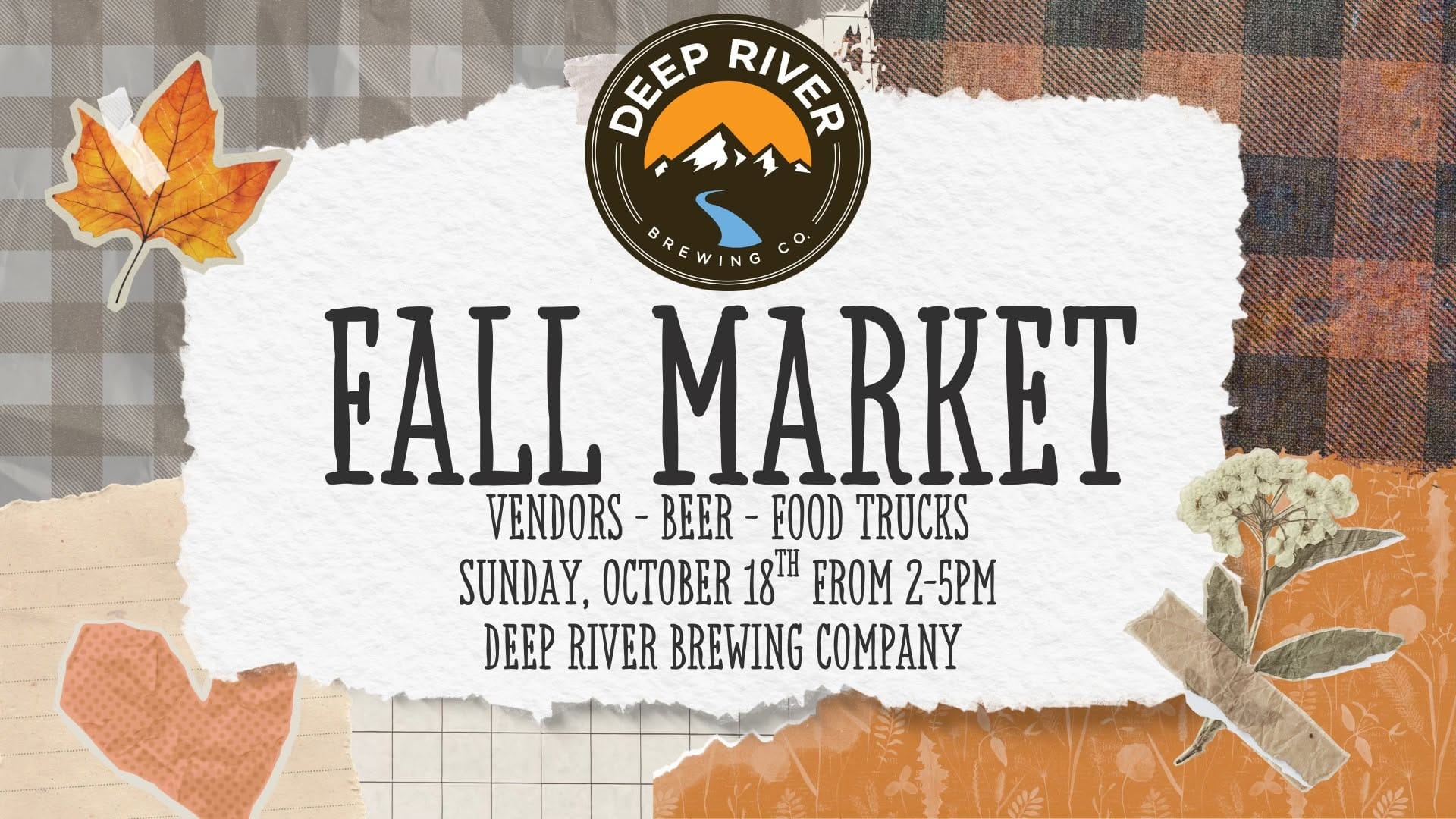
Fall Market at Deep River | Sunday, 2–5 pm
Nothing says fall quite like a cold beer, a little live music, and some shopping! Head over to Deep River Brewing Company this Sunday for an afternoon of local makers, handmade goodies, and plenty of autumn vibes. Browse pet bandanas from Rori Jane, colorful mosaics from Juju's Joyful Art, candles and fragrances from Charlotte Candleworks, sweet treats from Cakes by KRiSTiN, wood crafts from Sawdust and Sunshine, and fresh sourdough from Maple Acres Home. Grab a pint, support some local small businesses, and enjoy a laid-back Sunday afternoon!

The Good Thing
Every week, we're going to try to end on a positive note. Snapshots of Clayton history, local legends, monumental accomplishments in the community, and more. This section is supposed to make you feel good.

Double the Bucks, Double the Good: New SNAP Program Coming to Clayton Farmers Market
Here's a little good news for local families and farmers!
Starting October 31, Johnston County Cooperative Extension is launching a new SNAP Double Bucks Program at the Clayton Farm & Community Market, giving residents who receive SNAP food assistance the opportunity to double their purchasing power when shopping for fresh, locally grown food.
Here's how it works: SNAP recipients can visit the market manager or a trained volunteer and use their EBT card to purchase tokens for eligible foods. The County will then match that amount dollar for dollar. Spend $10 in SNAP benefits, and you'll have $20 to spend at the market!
The proposed pilot program would cap the County's match at $30 per cardholder, per market day, giving participating shoppers up to $60 in purchasing power for eligible fresh produce, meats, and other unprepared agricultural products.
Johnston County Commissioners committed $2,500 to get the program off the ground, with the Clayton Farm & Community Market selected as the first participating market because of its established history and strong volunteer support.
And this isn't just good news for families trying to stretch their grocery budgets. It's also a boost for local farmers, who stand to benefit from additional customers and sales.
Commissioner April Stephens, who expressed excitement about the program finally coming together, called it an opportunity to help both farmers and consumers.
Commissioner Bill Stovall described it as a win-win, noting that the program increases the value of SNAP benefits while encouraging more people to shop with local growers.
The County plans to promote the program through local governments, social media, and schools, with information available in both English and Spanish.
More fresh food for local families, more business for local farmers, and more money staying in our community. That's a pretty good thing.

THE DISPATCH MAILBAG
Got something to say? The Dispatch Mailbag is where readers can share their thoughts, concerns, questions, and opinions about the issues affecting Clayton and Johnston County.
This week, Clayton resident Therese Vick writes about the secrecy surrounding proposed data centers and the public's right to know what local governments are doing behind closed doors.
LETTER TO THE EDITOR: Why All the Secrecy Around Data Centers?
By Therese Vick | Clayton, NC
Local government is allowed to keep potential projects confidential. While I may not agree with that, what data center developers require is unprecedented.
Local government officials — county and city, their staff and others — are almost always required to sign non-disclosure/confidentiality agreements.
In some cases, such as in Halifax County, North Carolina, County Commissioners have signed an agreement that requires them to get approval to produce public records. The Halifax County attorney provided that document and one other to me after I requested information on a proposed data center. He acknowledged that the company approved of him sharing the documents with me. Compared to other counties and municipalities, this was exceedingly transparent.
Obfuscation, not responding to the requestor or any inquiry about the status of records requested, and abject dishonesty are a feature, not a bug, from local governments and with this industry.
Why is that?
One peculiarity regards "non-disclosure agreements" (NDAs). Per North Carolina law, under N.C.G.S. § 132-1(d), public agencies and officials cannot execute confidentiality agreements to restrict access to public records, and any contracts promising non-disclosure are themselves public records. The UNC School of Government confirms that NDAs executed by public entities are themselves public records subject to inspection.
Communities have legitimate concerns about any industry coming to their neighborhood and deserve transparency from the companies and local government. Unless and until this changes, people are right to be skeptical of any project — not just data centers.
— Therese Vick, Clayton, NC
Have Something to Say?
Have a question about what's happening around town? An opinion on a local issue? Something you think deserves a closer look?
The Dispatch welcomes letters to the editor, guest opinions, and questions from readers. You don't have to agree with us, either. In fact, we'd love to hear different perspectives.
Send your submissions to claytondispatchmail@gmail.com. Please include your name and contact information. Requests for anonymity will be considered when justified.
Letters reflect the opinions of their authors and do not necessarily represent the views of The Clayton Dispatch. Submissions may be edited for length and clarity.
Become a Paid Clayton Dispatch Member
$5 per month or $50 per year Membership helps support independent local reporting, expand coverage, and pay for future Dispatch upgrades.
Members receive:
- The ability to comment on Dispatch stories
- Priority question submissions for the upcoming Council Watch-Along with Dan podcast
- Regular behind-the-scenes reporting notes and project updates
- Member discounts and early access to Clayton Dispatch merch
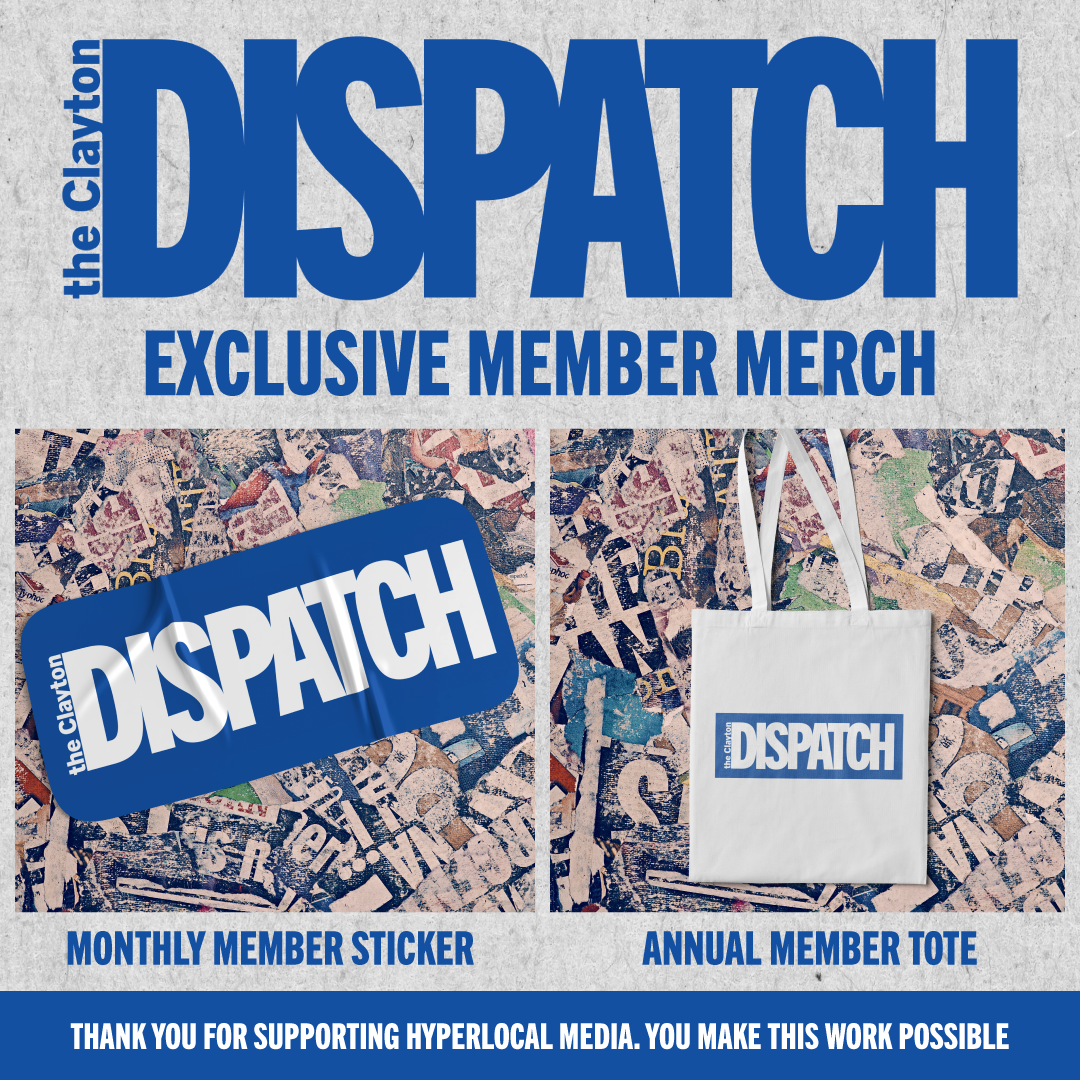
- An exclusive Clayton Dispatch sticker for monthly members*
- An exclusive Clayton Dispatch tote bag for annual members.
The actual reporting will remain available to everyone. Paid membership helps make more of it possible.
Also, this can get us a whole lot closer to a print edition.
*Stickers will be given out every quarter. Happy to report that the first batch and totes are on the way!