The Weekender: Clayton’s Budget Debate

Hello
Welcome to the first issue of The Weekender, your new Thursday read from The Clayton Dispatch.
Clayton is growing fast, lots of things are happening, and we've got questions. Questions about money, growth, who's getting what, and what's going on at Town Hall. The Dispatch is here to sort through the noise, connect the dots, and help you figure out what's happening, what matters, and what's worth showing up for.
The biggest choices affecting our daily lives are happening right here in town. The budgets, the roads, the traffic, development, meetings, new businesses coming, old businesses leaving, community events, and the questions that stick around after the decisions are made.
Information is powerful. Information levels the playing field. The goal ot The Clayton Dispatch is to inform the community. We'll keep it sharp, we'll keep it fair, and we'll keep it Clayton! Thanks for being here.
Let's get into the main focus for this week: the town budget in plain English. Let's see what the bill looks like for residents.
The Dispatch Lead
Clayton's Budget Debate
Welcome to budget season in Clayton.
Clayton's proposed FY27 budget comes with one very easy headline: no property tax increase.
That's true.
The recommended budget keeps the property tax rate at 49 cents per $100 of assessed value. But after last year's property reassessments drove up bills for many residents, holding the rate steady is not the same as providing relief.
Also, for most residents, the bill is still going up.
The proposed budget includes higher water, sewer, electric, and trash rates. The town's budget presentation estimates the average monthly utility bill would rise by about $16.64. Water rates are jumping 16.5%. Sewer is up 3%. Electric is up 2.5% on average. Solid waste collection: $24-$26 per month.
That means it's going to cost residents an average of about $200 more per year to live within Clayton's town limits.
The question we should be asking isn't whether Clayton technically avoided a tax increase. The question is whether residents and council members were given enough detail to understand what they are being asked to pay for.

Last Friday in Clayton is back on June 26!
Downtown Clayton comes alive again with live music, pop-up shops, local specials, and an Art Walk with Clayton Visual Arts. Come early, stay late, support local businesses, and make a night of it.
"The Price of the Brick is Going Up" — Marlo Stanfield
At the first budget hearing, held on May 18, Town Budget Manager Todd Melton presented the FY27 Manager's Recommended Budget. The General Fund was balanced at $62.5 million. The town is recommending hiring 16 new positions from the General Fund. There's a standard 3% cost-of-living adjustment for most employees.
It all sounded orderly. Professional. Responsible.
And it probably is.
That's the frustrating part. The town's argument isn't nonsense. Water and sewer systems cost real money. Electric operations like Clayton's cost real money. Pipes, pumps, brand-new wastewater plants, debt service, staff, software, trucks, generators, fuel. All of it costs money, and nothing gets cheaper because residents are spread thin.
Clayton's population has exploded. Residents know it. Town staff know it. The infrastructure built to support the growth knows it. Everybody knows it.
The town says the utility rate increases are about stewardship. Long-term planning. Paying for systems before they fail. Building reserves before the monster shows up at the door. Not waiting until sometime in the future when the cost of a major systems project becomes a fiscal sinkhole big enough to swallow the whole town.Fine.But stewardship isn't a magic word you can cast over a budget presentation to make real questions disappear.
If residents are being asked to pay more, they deserve to know exactly what it is they're paying for.
The Big Question: What's Inside the Utility Rates?
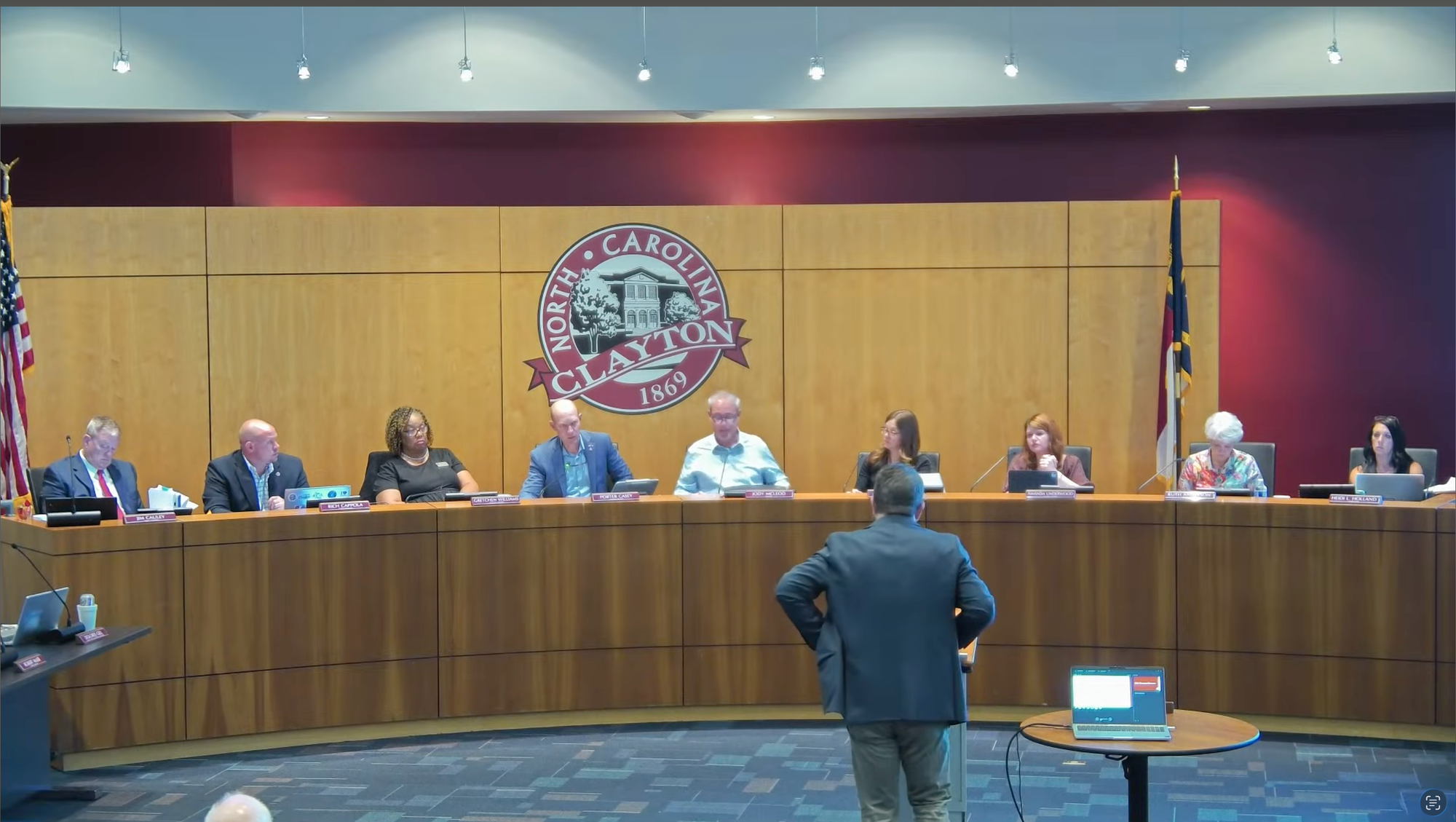
At the second budget hearing, held on June 1, Melton explained that the numbers had not changed from the first hearing. Instead, he presented new slides explaining support-service allocations and how the town adopts its budget.
Support-service allocations sound technical, and they are. But the public issue is simple.
Water/Sewer and Electric are enterprise funds. In plain English, they're supposed to pay for themselves through user fees, not property taxes. But those utility departments don't operate in a vacuum. They use the town administration, finance, HR, IT, legal, communications, and other internal support functions.
That's where support-service allocations come in.
The town responded to questions from The Clayton Dispatch and says these allocations aren't new revenue and not new expenses. They are a way to assign shared-service costs to the funds where those costs are generated. In other words, if water/sewer and electric use those internal services, those funds are charged for their share.
The town also says the updated FY27 support-service allocations did increase the amount assigned to utility funds, but staff absorbed that increase through adjustments to planned expenditures, future capital projects, budget requests, and other spending priorities within those funds. According to town staff, those updated allocations did not need any extra utility rate increase beyond what had already been recommended.
That's important context.
The town says the water/sewer increase is mainly driven by infrastructure investment, an aproximate 10% increase in bulk water costs from Johnston County, debt service connected to the Sams Brand Water Reclamation Facility, and future regional water supply planning.
The town says the electric fund increase is mainly driven by wholesale power costs and regional energy market conditions, including an approximately 4.5% increase from Duke/NCEMPA, which translates to about a 2.5% systemwide increase.
So the town's position is clear: the proposed rate increases are not being driven by some mysterious new support-service charge. They are being driven by infrastructure, water supply, debt service, wholesale power costs, and long-term utility planning.
Fair enough.
But if utility customers are paying allocated slices of internal government operations, then utility customers deserve to know what's in the cake.
Not just the theory.
The actual numbers.
The actual departments.
The actual vendors.
The actual contracts.
The actual recurring costs.
The actual formula.
The actual impact on rates.
Either way, the support-service allocations are large enough to deserve a clear public explanation.
The Process May Be Normal. That Doesn't Mean It's Transparent.
Melton also explained at the budget hearing that Clayton adopts its budget at the department level, not the line-item level.
That means a line item can go over budget without technically breaking the adopted budget, as long as the department stays within its total appropriation. The Town Manager, as budget officer, also has the authority to reallocate money administratively within the rules.
This is the flexibility argument.
Departments need room to operate. Costs change. Needs shift. Projects move. A rigid line-item budget can make government slow and dumb.
That's all true.
The town also says the council receives monthly budget-to-actual reports, budget performance-to-date reports, a contract services report, a departmental expenditure report, support-service cost allocation materials, the manager's recommended budget, and access to the town's budget dashboard.
That's not nothing.
But the town also said vendor-level transaction reports and detailed individual professional service records are not provided as standard budget materials unless requested as a specific follow-up item.
That's where the debate really lives.
Town staff says council gets summarized, decision-ready information so elected officials can focus on policy decisions while staff manages the operational details.
But the town's not operating out of a shoebox.
Clayton has finance staff, budget staff, procurement staff, purchasing systems, vendor records, contract processes, P-card administration, purchase orders, expense codes, and financial software.
And earlier this year, the town publicly celebrated receiving the 2025 Sustained Professional Purchasing Award from the North Carolina Association of Governmental Purchasing. In its own announcement, the town said the award recognized the Procurement Division for excellence in public purchasing, transparency, responsible management of public funds, and the use of technology to improve efficiency.
That doesn't mean producing a townwide vendor-level budget analysis is easy. It probably isn't.
But it does raise a fair question.
If the town has award-winning procurement practices, technology-assisted purchasing systems, vendor records, contract review, P-card administration, and expense coding, why is vendor-level and contract-level spending information not easier to summarize for the council before a budget vote?
That's not a knock on any one employee. It's a question about the system.
If the council is being asked to approve broad department totals and residents are being asked to absorb higher bills, then the town's reporting structure should be able to connect those totals to the real-world vendors, contracts, services, subscriptions, and obligations that underlie them.
That's the tension.
Flexibility for staff versus visibility for the public.
Both matter. But when residents are being asked to pay more, visibility should matter most.
What Did Council Have to Say?
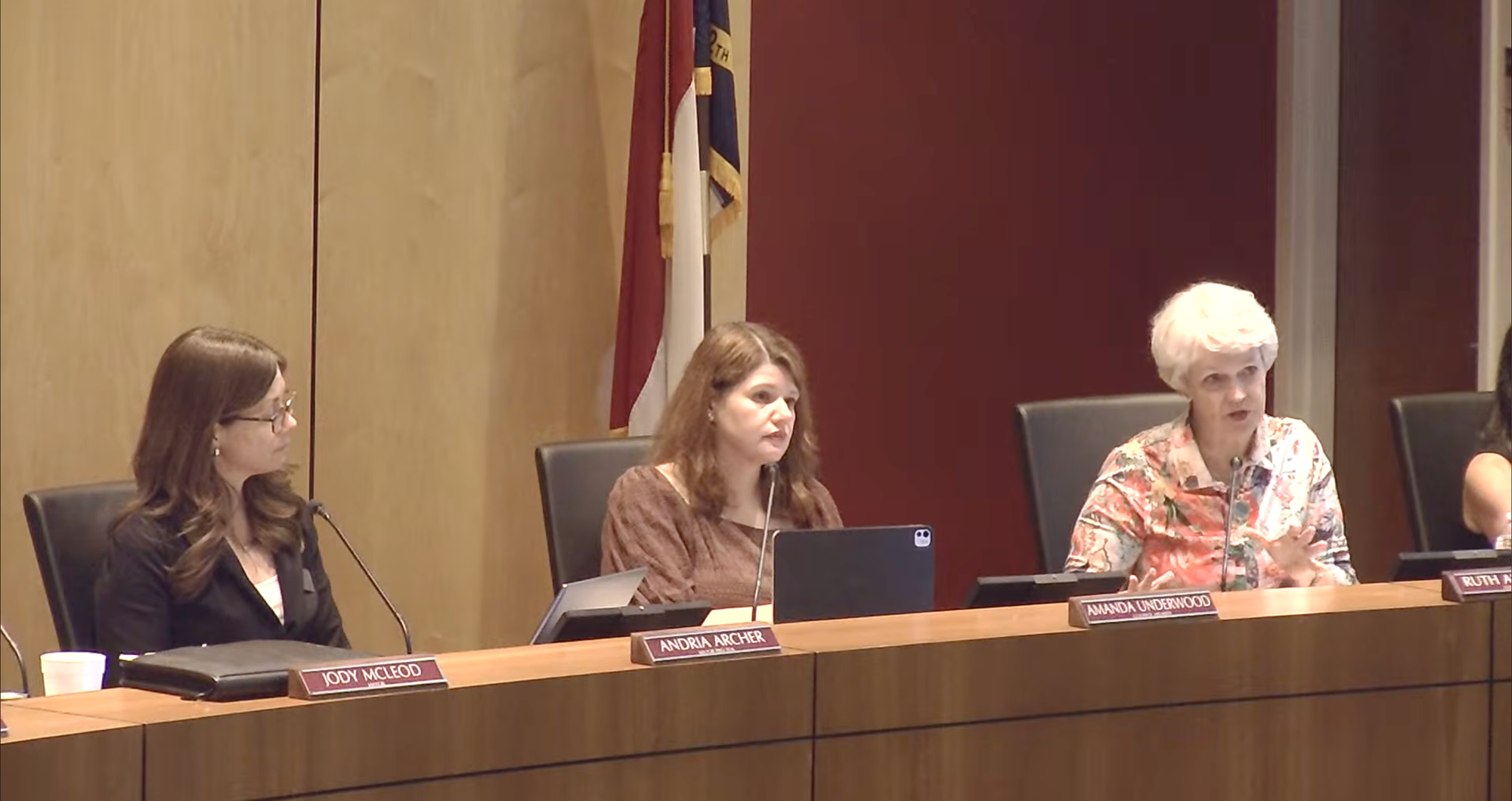
Council members Underwood and Casey have both acknowledged staff's efforts to answer questions, but they would still like answers to others.
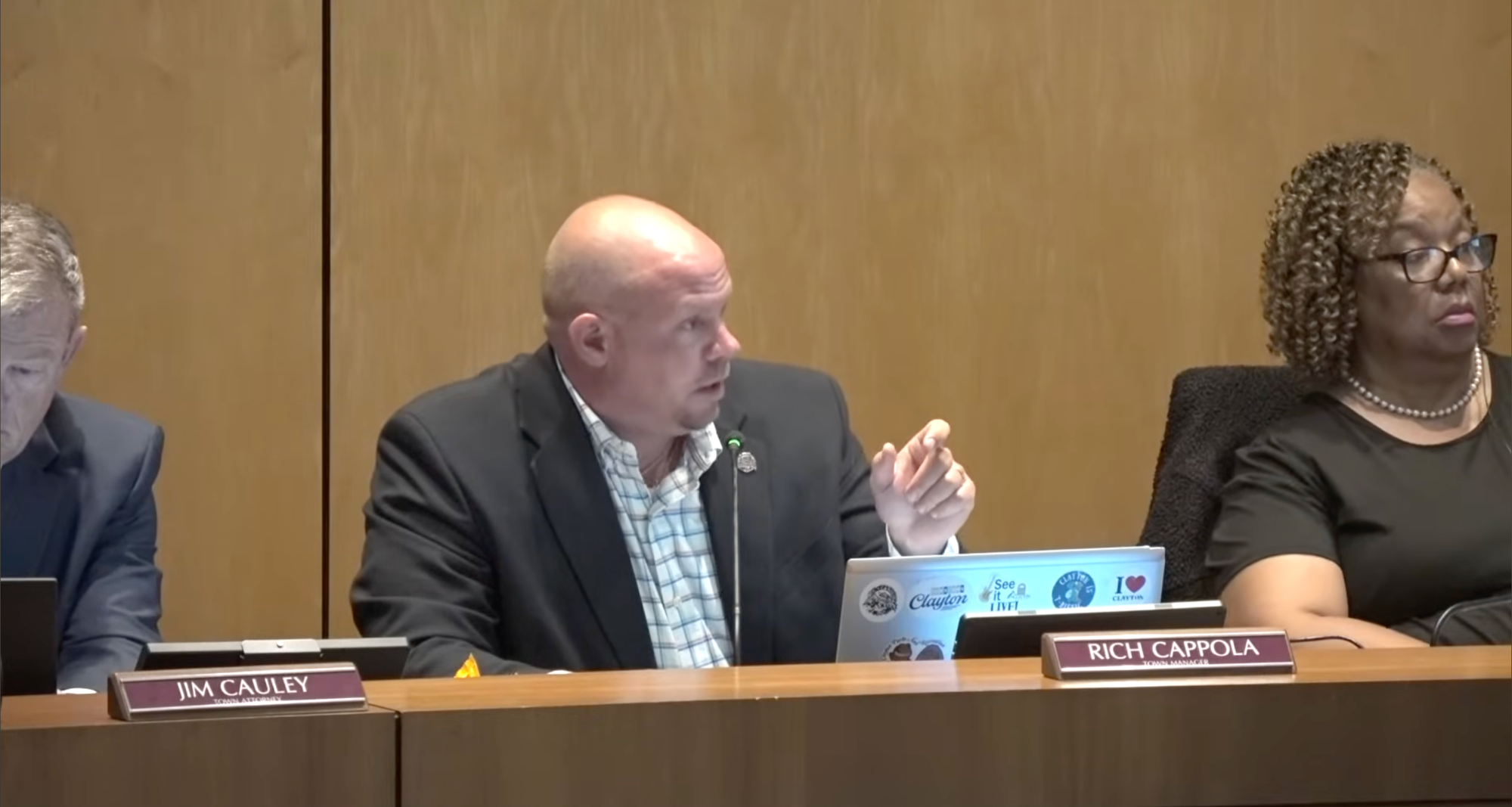
Council Member Ruth Anderson defended the process. She said none of it was alarming. She compared it to how corporations, CEOs, and large municipalities operate. She said it was not happening "in the darkness" or "undercover," because the council receives quarterly updates and midyear reviews.
Her point was clear: staff need flexibility to adjust during the year, and the bottom-line number not changing is what's important.
That's one view of accountability.
But a town isn't a corporation, and residents aren't customers in the usual sense. They can't choose a competing water system. They can't unsubscribe from sewer and go septic. They can't shop around for electric services.
When times are tough and a private company faces a room full of angry shareholders or board members, changes have to be made. Non-essential travel is halted. Non-essential hiring is frozen. Executive bonuses and pay increases are paused. And, sadly, department cuts are made.
It's not fair to bring up "this is how businesses operate" without also addressing the fiduciary responsibilities that businesses also carry.
A Resident Offered an Alternative
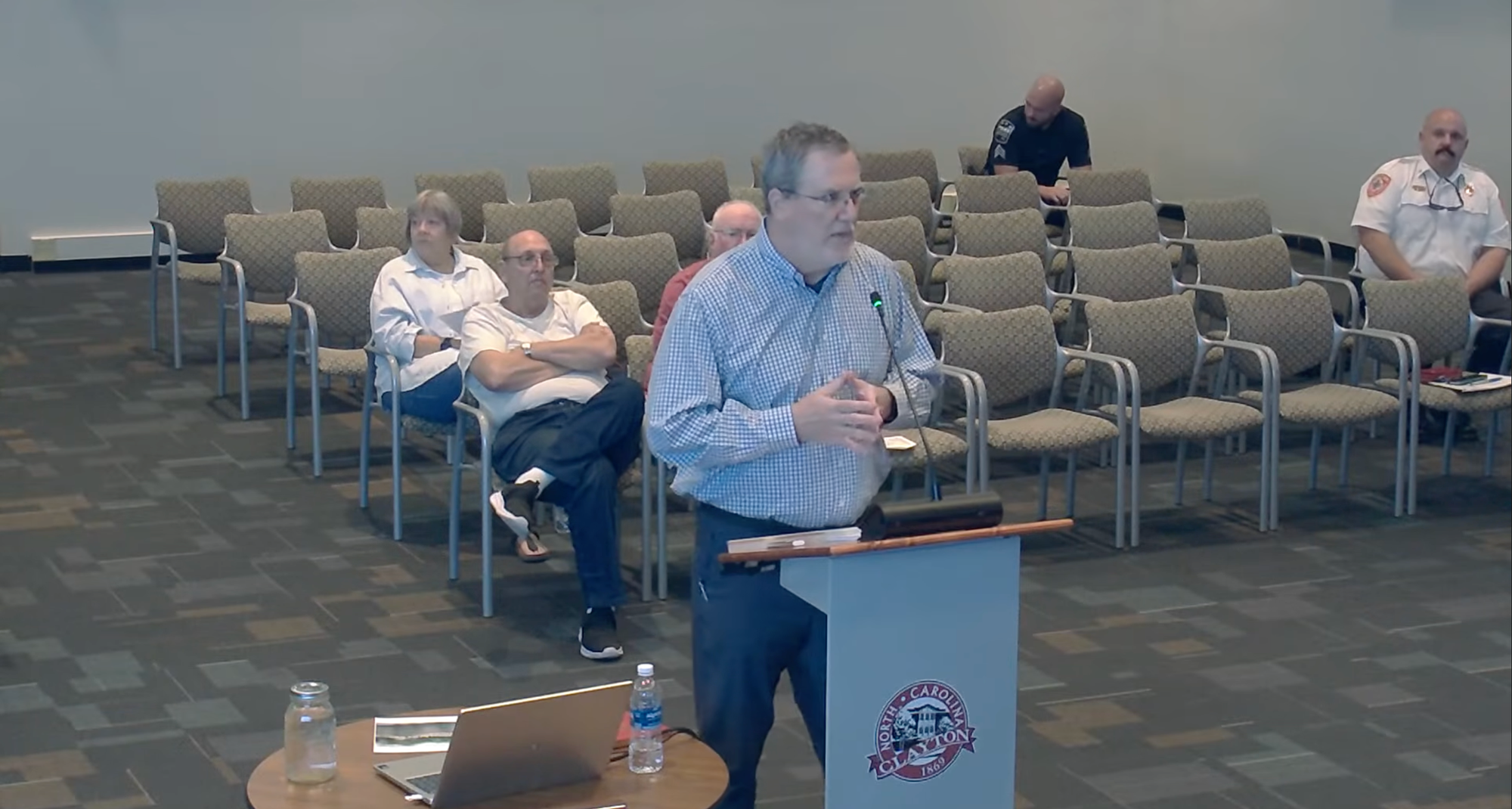
At the second hearing, resident and Clayton Planning Board member Jason Carter offered a specific alternative.
Instead of a systemwide 16.5% increase, Carter asked the council to consider implementing a larger increase toward industrial customers outside town limits. He argued that a small number of industrial users consume a disproportionate amount of Clayton's water and should carry more of the burden.
Carter pointed out that some of these companies are generating billions of dollars in quarterly profits and contribute nothing to the town's tax base.
Carter also claimed that 18 industrial customers out of more than 16,000 meters consume 1.75 million gallons of water per day — more than all residential customers combined. He asked the council to consider a 30% water increase for those industrial customers, a 10% consumption-based sewer increase for them, and a review of whether their electric rates should reflect the strain they place on Town resources.
The Dispatch also asked about this, and the town responded that it already uses a cost-of-service approach for utility rates. According to the town, industrial customers pay higher base charges due to larger meter sizes and higher usage, and they are subject to an increasing-block structure, meaning the more water they use, the higher the per-unit cost.
The town also says high-strength charges may apply where additional treatment and operating costs can be directly measured, and that major infrastructure needed to support new or expanded industrial users is typically funded by the customer or by outside sources.
That answers part of the question.
But Carter's proposal raises a more specific issue: did the town model a targeted industrial-rate alternative before recommending the current systemwide rate increase? And if that option is legally or financially constrained, will the town clearly explain those limits before adoption?
That matters because public hearings aren't supposed to be decorative. They aren't supposed to be the part of the meeting where residents pour out their concerns as the machine idles politely in the background, already pointed toward adoption.
If there are alternatives, model them.
If they don't work, show why.
If they do work, explain why they weren't already on the table.
The Bottom Line
The budget may be balanced.
The property tax rate may be unchanged.
The enterprise fund model may be legitimate.
The support-service allocation process may be standard.
The town may be right that long-term utility planning is necessary.
And the town has now given a clearer explanation of why it believes infrastructure investment, bulk water costs, debt service, county water supply planning, wholesale power costs, and long-term utility needs primarily drive the proposed rate increases.
But there's still more to know.
The real issue is whether summarized, department-level budget information is enough when residents are constantly being asked to pay more to live in Clayton.
Council may receive monthly reports, dashboards, work sessions, budget summaries, and follow-up materials. But vendor-level transactions and detailed professional service records are not standard budget materials unless specifically requested.
That means the public debate isn't just about whether the town followed its normal process.
It's about whether the normal process gives council and residents enough visibility before adoption. "Best practice" isn't the same as public understanding. "Decision-ready" isn't the same as fully transparent.
And "Trust the process" isn't the same as showing exactly what's being paid for.
Questions We're Watching
Here are the questions residents should look for at the next council meeting on Monday, June 15, when the budget hearing continues.
- Will Council and the public see the actual, current-year spending records by vendor, account, department, etc., before the vote?
- If departments are being given flexibility, what accountability exists if questionable spending comes to light?
- What alternatives to broad utility increases were actually modeled, and why were they rejected?
- What exactly can the town legally do, and not do, when it comes to targeting major industrial users with higher rates?
Town Hall Watch
Clayton Town Council meets on Monday, June 15, and the biggest item on the agenda is the continued public hearing for the town's FY2026-27 budget.
One thing worth watching: Monday's consent is doing some heavy lifting.
Consent agendas are typically used for routine or non-controversial items that can be approved together in one vote. But this week's includes several items tied to growth, infrastructure, utilities, and town spending, including year-end budget amendments, the FY2027 Capital Improvement Plan, changes to Copper District wastewater infrastructure reimbursement, an amendment to the Copper District water tower agreement, and multiple steps related to the Stotan Crossings annexation.
That doesn't mean any of these items are improper. But it does mean several significant pieces of town business could move forward with little or no discussion unless a council member asks to pull an item from the consent agenda.
The Board of Adjustments meeting planned for Wednesday, June 17, has been canceled. The next meeting is scheduled for Wednesday, July 15, 2026
Downtown Dispatch
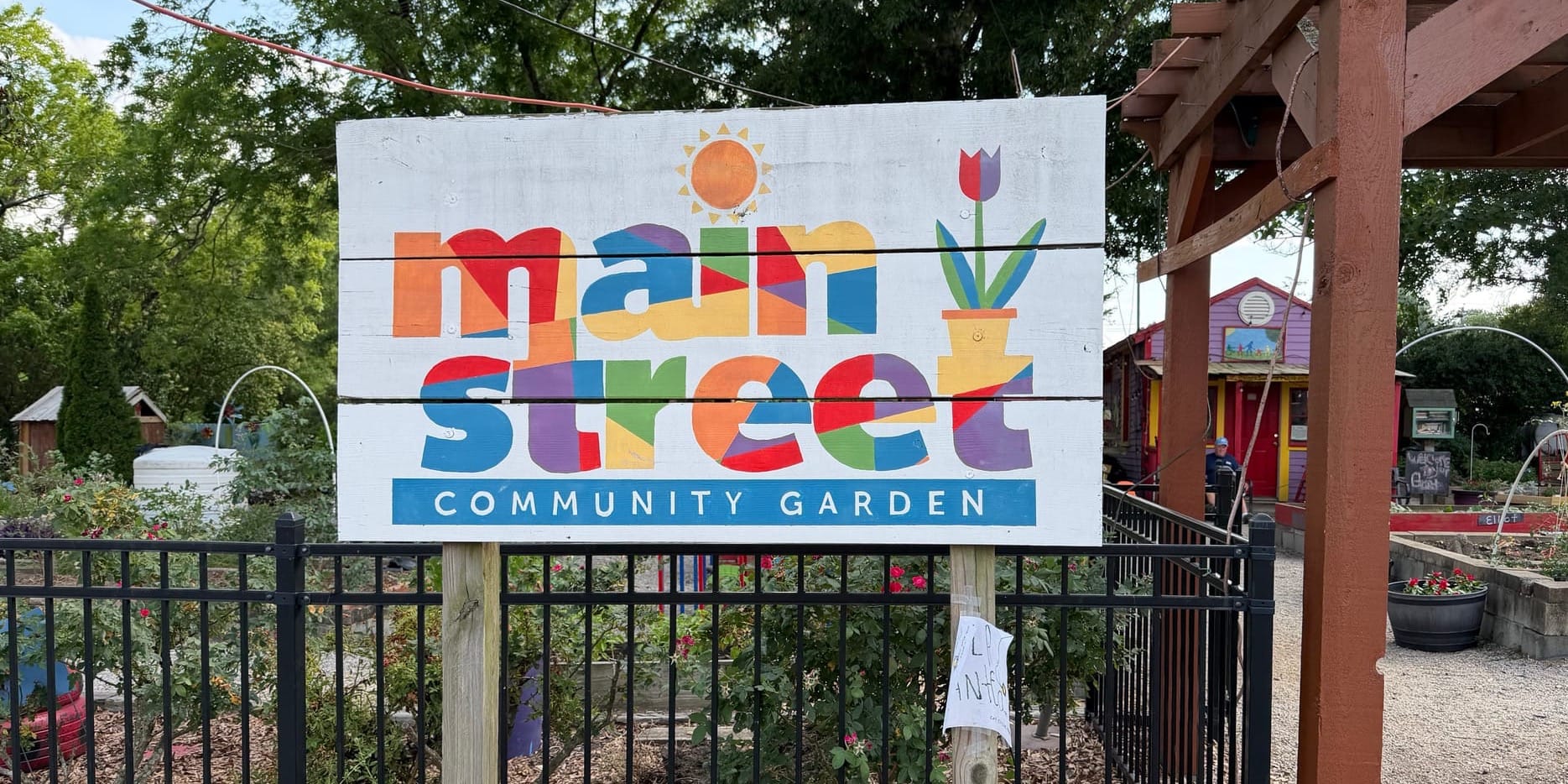
Main Street Community Garden Needs Volunteers
Help keep the Main Street Community Garden growing.
The garden has become a gathering place where neighbors can grow fresh produce, enjoy the outdoors, and build community together. Every improvement so far — from flower beds to shared harvests — has been made possible through volunteer work and local support.
Now, the garden needs additional help.
Volunteers are especially needed to help water the flower beds. During the summer heat, organizers are currently hauling water from home to the garden twice a day to keep plants alive.
The garden is also looking for grant-writing assistance. Organizers hope to find someone who can help secure funding or work with local officials to establish county water access. Reliable water access would make a major difference and help ensure the garden's long-term success.
To keep the Clayton Community Garden open, healthy, and growing for the whole community, organizers say both volunteer support and a long-term water solution are urgently needed.
Anyone interested in helping or anyone with grant-writing experience can call Tom Lipscomb at 919-274-4486.
The project has been built entirely by volunteers for the benefit of the community.
WEEKEND PICKS
A quick rundown of what’s happening around Clayton this weekend. Music, markets, food, family stuff, and anything else worth leaving the house for.
Friday

The Station Clayton | 231 E Second St
Crucial Fiya at Crescendo | 9 pm
Reggae takes over Crescendo on Friday night as Crucial Fiya brings the heat to The Station Clayton.
Deep River Brewing Company | 700 W. Main Street, Suite 102
Karaoke Night | 6:30 pm
Deep River Brewing Company will host Karaoke Night on Friday, June 12, from 6:30 to 9:30 pm, with Brock Entertainment leading the fun. Guests can grab the mic, sing along, or enjoy the show with a cold beer in hand. Mr. Puebla Tacos will be on site from 5 to 9 pm, and the event is free to participate in and free to watch.
Clayton Rocks | 427 E. Main Street
Jason Carroll & The Side Effects | 8 pm
Jason Carroll & The Side Effects will bring live music to Clayton Rocks for a three-hour show, with a special guest appearance by Aliyah D. The event is open to the public.
Pottery Camp | 12973 US-70 Business
Small-Group Pottery Wheel Class | 4 pm
The workshop is open to all skill levels, including beginners, and participants should dress comfortably and expect to get a little messy. Finished pieces will be glazed, fired, and ready for pickup in approximately two to three weeks.
Saturday

The Clayton Center | 111 E. 2nd Street
Juneteenth Celebration 2026 | Starting at 11 am
The Clayton Center and the Town of Clayton will host a free Juneteenth community celebration on Saturday. Events include a genealogy session on researching ancestors of color in North Carolina at 11 am, a vendor fair celebrating Black culture, history, and entrepreneurship at 2 pm, and 400 Years: The Evolution of Black America, a stage production featuring poetry, music, dance, and visual art, at 3 pm. The event is free and open to the public.
Pottery Camp | 12973 US-70 Business
Fused Glass Book Nook Workshop | 1 pm
Pottery Camp will host a Fused Glass Book Nook Workshop, inviting guests to create a miniature bookshelf-inspired piece of glass art filled with colorful books, plants, shelves, and whimsical details. No experience is needed, and participants will be guided through the process before each piece is kiln-fired into a one-of-a-kind keepsake.
Horne Square | 348 E. Main Street
Clayton Farm and Community Market | 9 am
The Clayton Farm and Community Market returns Saturday from 9 am to 1 pm at Horne Square in Downtown Clayton. The weekly market features local farmers, makers, food vendors, baked goods, handmade items, and more.
Sunday

Revival 1869 | 222 E. Main Street
D&D Character Night
| 3 pm
Revival 1869 will host a Dungeons & Dragons Character Night on Sunday, June 14, at 3 pm. The meetup is designed for both new and experienced players, with character creation walkthroughs, a chance to learn the basics, and time to meet fellow adventurers. The event is 21+ only.
Odd One Out | 400 E Main Street
Buttermilk Boutique Pop-Up Brunch | 11 am
Buttermilk Boutique is bringing brunch to-go on Sunday with a pop-up menu of Southern-inspired favorites from Chef Tie Whittaker. She sold out last time, so get there early so you don't miss this.
East Clayton Community Park | 1774 Glen Laurel Road
Clayton Clovers vs. Danville Dairy Daddies | 6:30 pm
The Clayton Clovers will take on the Danville Dairy Daddies in a Piedmont Division matchup on Sunday, June 14, at 6:30 pm at East Clayton Community Park. The game is open to the public.
Cleveland Draft House | 461 Shotwell Road
Sunday Patio Parties | 1 pm
Cleveland Draft House will host its weekly Sunday Patio Party with live local entertainment starting at 1 pm Guests can grab a seat on the patio, enjoy food and drink specials, and spend the afternoon with music and friends. The event is open to the public.
One Good Thing
Every week, we're going to try and end on a positive note. Snapshots of Clayton history, local legends, monumental ackomplishments in the community, and more. This section is supposed to make you feel good.
The good thing this week is simple: people are paying attention.
That matters.
Most people don't have time to follow every meeting, read every packet, track every fee change, or decode every line of a town budget. They are working, raising families, running businesses, paying bills, and trying to keep up with a town that keeps moving faster.
That's part of why The Clayton Dispatch exists.
We're building something here. Right now, it's me and a newsletter. Soon, it will be me, a few friends who have offered to help, a newsletter, and more regular coverage. Then we'll add a community calendar. Then video features. Then we're going to print this thing. Then whatever else helps people understand what's happening in Clayton and why it matters.
It might not be perfect. Especially not right away. But I'm going to put everything into it. I'm not a traditional newspaper reporter, but I am a professional writer. I took Ms. Janet Cook's journalism class at Clayton High School. My dad read USA Today from cover to cover every day, and he was the smartest guy I knew. Not because he had the most formal education, but because he stayed informed.
That has always stuck with me. That’s probably a big reason why I've spent years watching what happens in this town, reading documents, listening to meetings, asking questions, and paying attention. I miss the Clayton News Star.
The goal is simple: give people useful local information, ask fair questions, explain what's happening, and do it honestly — with the right amount of bite.
A town works better when more people are watching, reading, asking, and showing up informed.
Thanks for reading. See ya next week!
Dan