The Weekender: The State of Clayton's Economy

Good morning, Clayton!
Packed issue this week.
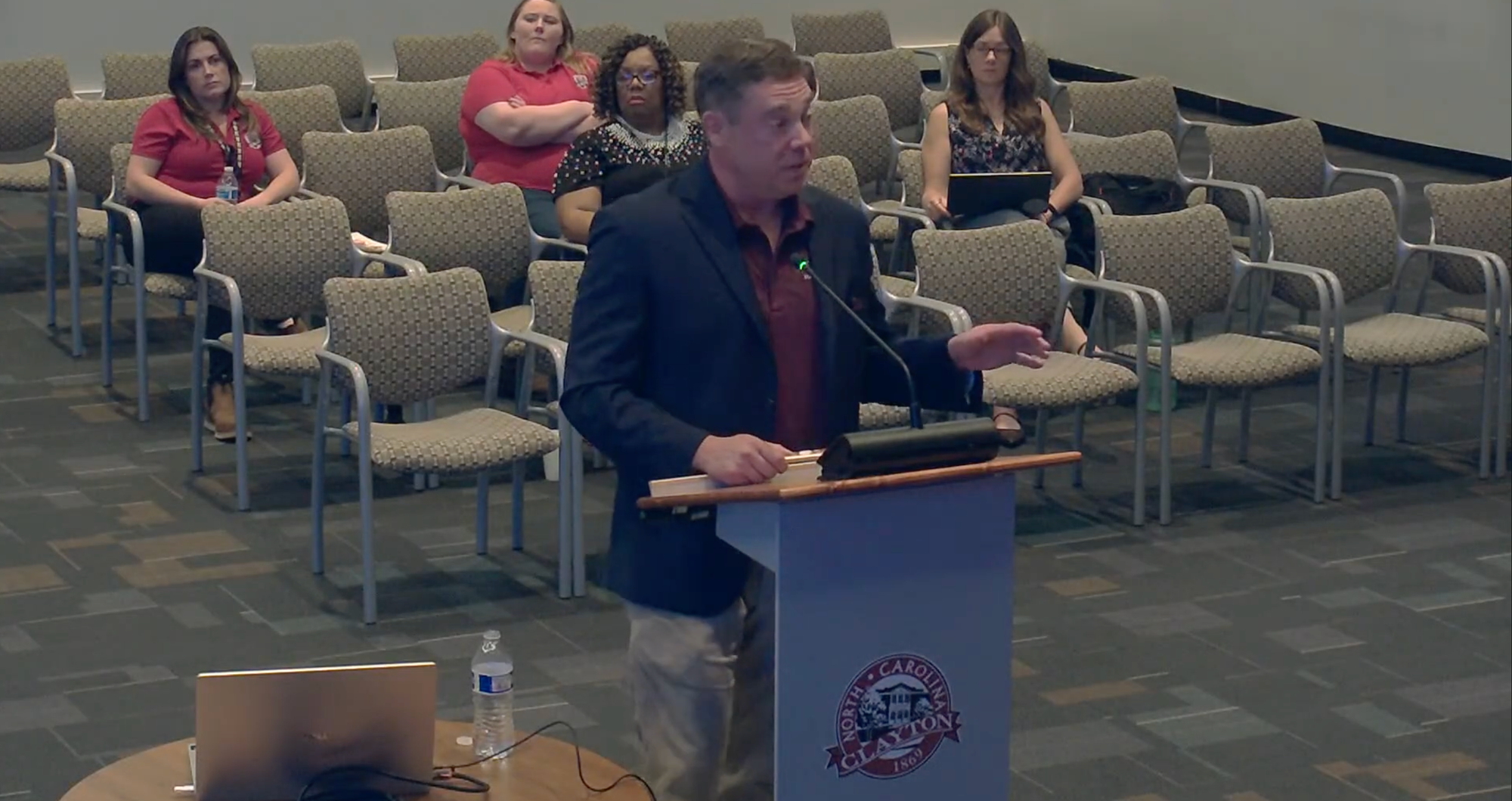
For The Dispatch Lead, I sat down and really dug into Economic Development Director Joe Stallings’ presentation to the Planning Board from Monday night. I pulled out the parts I found most interesting: Clayton’s rapid growth, the town’s lopsided residential tax base, the shortage of places for businesses to locate, and the more than 10,000 (!!!) homes already somewhere in the development pipeline.
Look, Joe Stallings and I have probably said less than a paragraph’s worth of words to each other. Still, if I’m being honest, he’s the first person to hold this job who has convinced me that economic development might actually be a service worth paying for—and not just a title somebody uses to land a better job.
ZING!
Seriously, with the last guy who had the job, I spent two years asking anybody who knew anything, “What tf does this guy do here?” The best answer I ever got was, “He got us the Chipotle.”
To be fair, that Chipotle is in regular rotation at the Barbour household.
Anyway, lots of stuff this week. There’s a Last Friday game plan for eating, drinking, shopping and making a night of it in Downtown Clayton, along with a preview of Monday’s Town Council meetings.
Well, at least the work session had its agenda posted in time.
Lastly, for The Good Thing, I'm super stoked to debut a brand-new weekly feature that I think y’all are really going to enjoy. Let’s keep it a surprise until the end of the issue.
Let’s get into it!
The Dispatch Lead: Clayton’s State of Economic Development
Clayton is adding residents faster than jobs and businesses. Economic Development Director Joe Stallings recently explained what the town is doing to bring the two sides closer together.
Clayton adds an average of five new residents every day.
Economic Development Director Joe Stallings asked Planning Board members to picture that growth arriving one person at a time: somebody new at 5 am, another around 10, another in the afternoon, another in the evening, and one more before midnight.
Then the clock resets, and we do it all over again.
Stallings gave the planning board a condensed version of the State of Economic Development presentation that he delivered at a town event last month. The goal was to explain what economic development means for Clayton, what his department is trying to accomplish, and how it all connects to the town’s rapid growth.
It was a good and thoughtful presentation. There was a lot of information packed into about 45 minutes. Here are the parts I thought were most important.
Five New Residents a Day.
That’s 1,800 people a year. Staggering.
Stallings said Clayton also has one of the youngest average populations among surrounding communities. That’s important because a young and growing population may want different services, amenities, and recreational opportunities than an older population aging in place.
Growth also affects traffic, infrastructure, political representation, and the town’s ability to compete for grants. Johnston County is considered a relatively affluent Tier 3 county by the state, which can limit access to certain economic-development funding programs.
And then there’s the daily commute.
Stallings said more than 70% of the area’s working residents leave the community for their jobs each day. That means more cars on the road, but it also means a whole lot of money leaving town every morning.
Those commuters may buy coffee on the way to work, eat lunch near the office, fill up their cars and run errands before heading home. If more of those residents had the option to work closer to home, Stallings argued, more of that spending could remain in Clayton.
That doesn’t mean everyone living in Clayton will, or should, work inside town limits. But it does highlight one of Clayton’s imbalances:
We’ve got the people, but not the jobs.
The 80/20 Problem
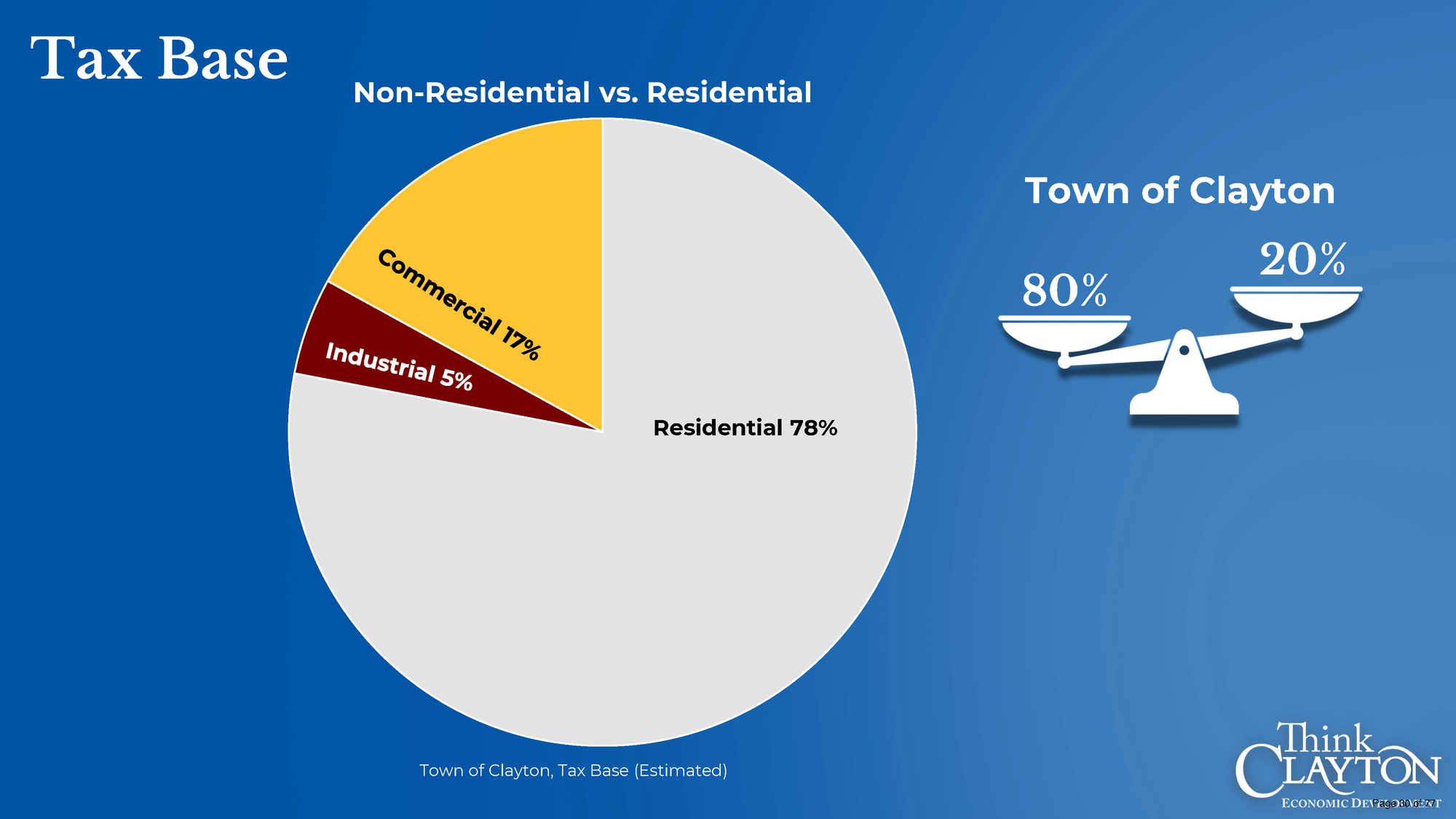
Clayton’s current tax base is roughly 80% residential and 20% non-residential.
The non-residential side includes retail, offices, medical facilities, manufacturers, warehouses, and other commercial and industrial properties.
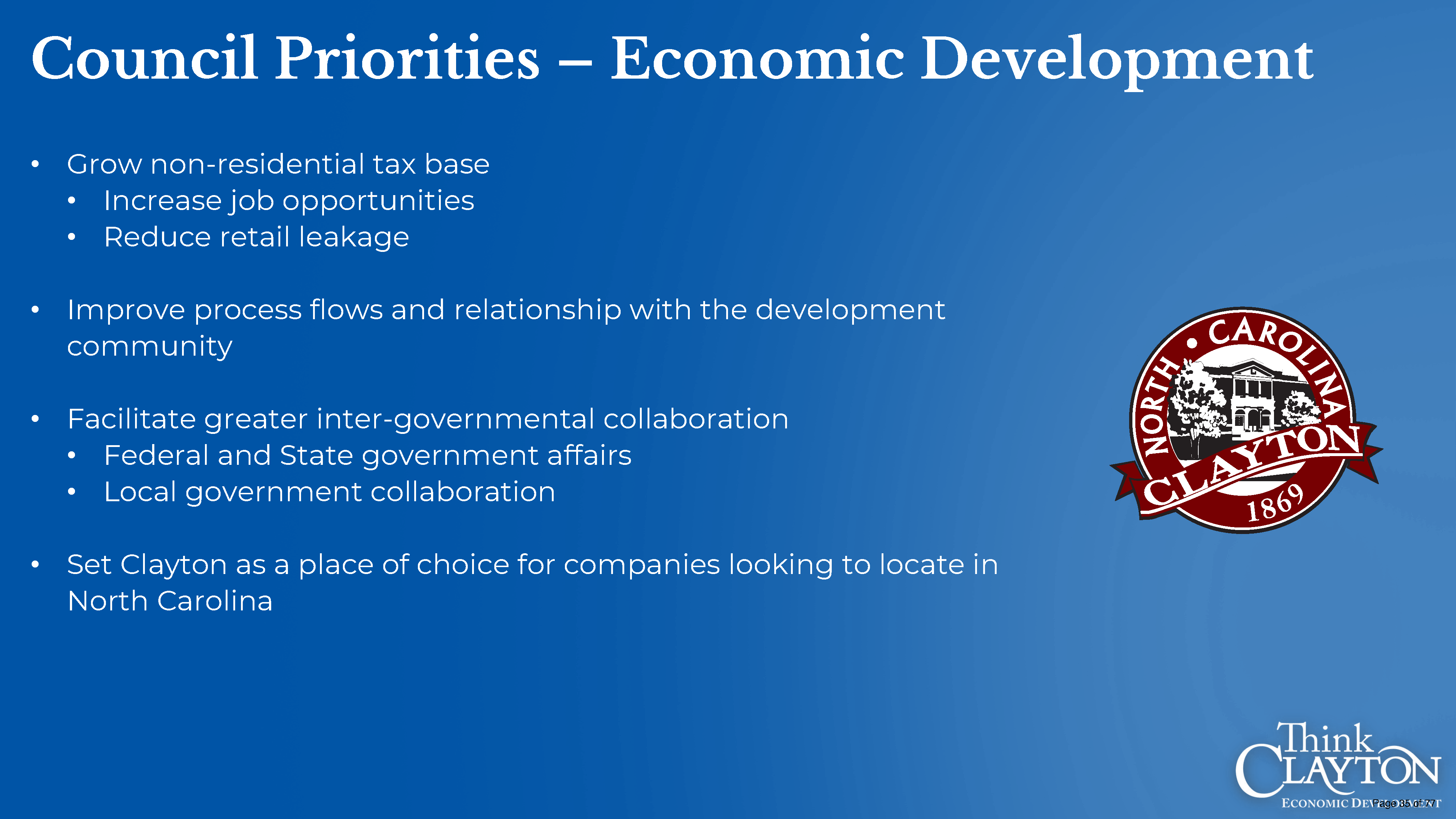
Stallings said moving that balance toward 70% residential and 30% non-residential would be a major success.
That may not sound like a huge change, but Clayton is trying to hit a moving target. Thousands of residential units are already approved or under construction, and homes can come out of the ground much faster than a major employer or commercial project can be recruited, planned, approved and built.
So Clayton’s not trying to move a fixed number from 80/20 to 70/30.
It’s trying to catch a residential side that’s still running.
The reason the balance matters is that different types of development place very different demands on public services.
Stallings showed the board figures from Johnston County’s recently completed Cost of Community Services study. According to that study, every dollar generated by commercial and industrial property costs the county about 23 cents in services.
Agricultural property costs about 81 cents per dollar generated.
Residential property costs approximately $1.43 for every dollar it produces.
The Cliff’s Notes version, as Stallings put it, is that residential development does not pay for itself. It consumes more in services than it generates in taxes. In the words of the great Jim Nabors’ Gomer Pyle, SURPRISE, SURPRISE, SURPRISE!
Commercial and industrial properties, meanwhile, generally produce more revenue than they cost to serve. A store or office building pays taxes and doesn’t necessarily need a library or park services or many of the other services associated with a household.
Joe Stallings’ mission seems clear: broaden the tax base. The more Clayton can spread the cost of government among residential, commercial, and industrial properties, the less of a burden it is on homeowners.
One Important Side Note
The $1.43 number is probably the number that’s going to stick with anybody watching the presentation or reading here.
There is a pretty big asterisk:
That’s Johnston County’s number, not Clayton’s.
Planning Board member Jason Carter pointed out that these studies have been conducted for decades, and residential development almost always costs more to serve than it produces in direct revenue.
But the results depend heavily on the services included.
Johnston County funds public education and health and human services. Those are two of the largest expenses associated with residential growth.
Clayton still pays for plenty of services, but the town’s responsibilities are different from the county’s.
Stallings agreed that Clayton’s numbers will probably look fundamentally different.
The town has commissioned its own Cost of Services study and hopes to get the results sometime between this fall and early next year.
Until then, the county study is useful context. It helps explain why there is a big push for industrial.
What Would You Say Economic Development Department Actually Does Around Here?
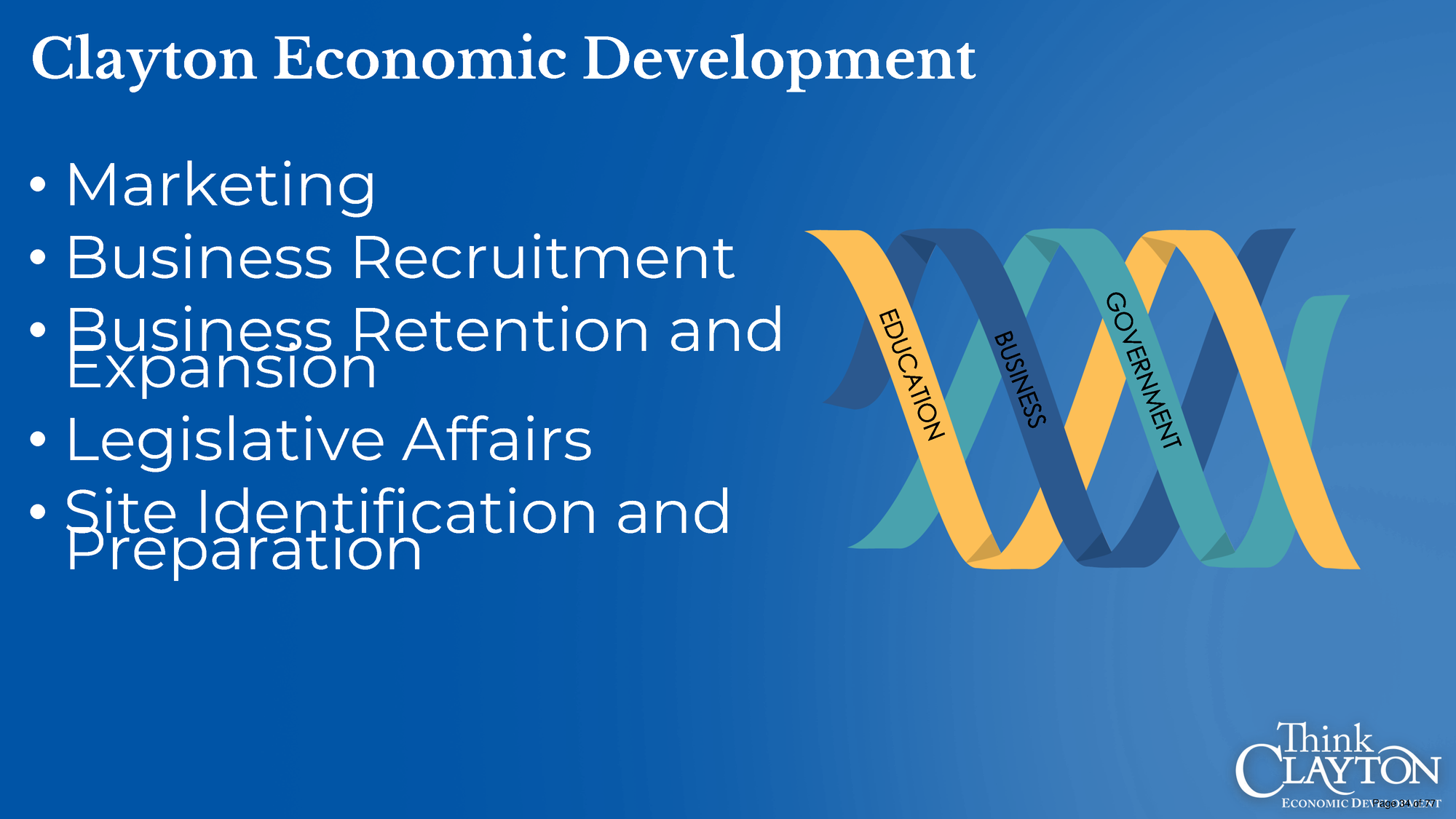
Stallings also walked the board through what Clayton’s Economic Development Department does from day to day.
That includes marketing the town, recruiting new companies, helping existing businesses expand, working with other government agencies, advocating for infrastructure funding and identifying sites for future commercial or industrial development.
That last part is becoming especially important.
Stallings said some properties that may have been better suited for businesses or employers have instead been developed for residential use. Once houses are built on one of those sites, that economic-development opportunity is usually gone for good.
Clayton is also running out of places for smaller companies to locate.
The town currently has approximately 259,000 square feet of industrial-flex space, with no available vacancy.
Flex space isn’t necessarily the giant anonymous warehouse most people picture when they hear “industrial.” It can be used by plumbers, electricians, HVAC companies, contractors, technical businesses, and small manufacturers that need some combination of offices, workshops, and storage.
If one of those businesses wants to locate to Clayton today, the places for them to go are simply non-existent.
That’s a real problem, both for recruiting new companies, and also for existing local businesses that want to expand without leaving town.
What Kind of Companies Does Clayton Want?
Planning Board member Anita Bland asked one of the best questions of the evening:
What is Clayton’s gold-standard economic-development prospect?
Stallings’ answer was straightforward:
High investment, high wages, and low utility demands.
Finding all three in one project is easier said than done.
Stallings said many of the companies currently looking for sites need more land, more electricity, and more water and sewer capacity than they did earlier in his career.
Some are seeking hundreds or even thousands of acres. Others need millions of gallons of water and sewer capacity or enough electricity to power an entire city.
Stallings said Clayton cannot—or chooses not to—respond to considerably more than half of the inquiries it receives because of those demands.
He also said he would rather see Clayton recruit a variety of companies than put all its eggs in one basket by using a huge amount of land and utility capacity for one enormous project.
Stallings made a couple of points really clear: Clayton’s Economic Development Department doesn’t recruit residential developers, and it doesn’t focus on low-wage distribution projects.
The goal is to attract employers paying at least the Johnston County average wage so that employees have a better chance of affording to live in the community where they work.
That was one of the more reassuring parts of the presentation.
The goal shouldn’t be to take every warehouse or industrial project that comes along simply because it adds non-residential tax value.
Land, water, sewer, and electric capacity are limited and expensive. Using a massive share of those resources on the wrong project (again) could be every bit as shortsighted as approving the wrong subdivision.
The Rooftops Brought the Retail
Here is a contradiction at the center of this entire discussion.
Residential development costs money to serve.
Residential development is also what makes Clayton attractive to retailers.
Major stores use formulas when deciding where to open. They look at population, income, density, traffic patterns and drive times.
Stallings said Clayton’s population is now around 35,000, placing it within the range where more national retailers begin seriously considering a community.
The large commercial development currently being built near Walmart probably would not be happening if Clayton still had a population of 15,000.
The rooftops created the customers.
So residential development cannot be viewed only as a burden. Those homes also create the demand that brings stores, restaurants and, eventually, more employers.
Clayton needed the rooftops to reach this stage.
The commercial side didn’t arrive at the same speed.
Stallings said the town currently has more than 10,000 residential units already approved, entitled, under construction or somewhere else in the development process. Planning Board members said Clayton currently has around 12,000 to 13,000 existing housing units.
That means the next version of Clayton is not hypothetical. Much of it has already been approved.
Stallings said the town could roughly double in population during the next 10 to 20 years.
BIG YIKES.
The Bigger Picture
Planning Board members repeatedly asked what all this should mean when individual projects come before them.
Stallings encouraged the board to keep the bigger picture in mind.
A rezoning may involve one particular piece of property, but each decision becomes another piece of the Clayton that will exist 20 or 50 years from now.
Very true.
But it’s also supposedly why we do these comprehensive plans in the first place.
The point of a comprehensive growth plan is to decide what kinds of development make sense in different parts of town before each applicant arrives asking for a change.
Growth might be inevitable. Constantly changing the plan is not.
A townwide need for more commercial or industrial property doesn't automatically make every commercial or industrial project appropriate for every location—the bigger picture and the individual site both matter.
Planning Board Chair Jody Dupree compared Clayton to a living body. In his view, a town is either growing and thriving or declining and dying. Rapid growth may be uncomfortable, but the alternative would be worse.
Planning Board member Mike Surasky had the wild statement of the night when saying that part of the board’s job is to convince citizens that Clayton is moving in the right direction because:
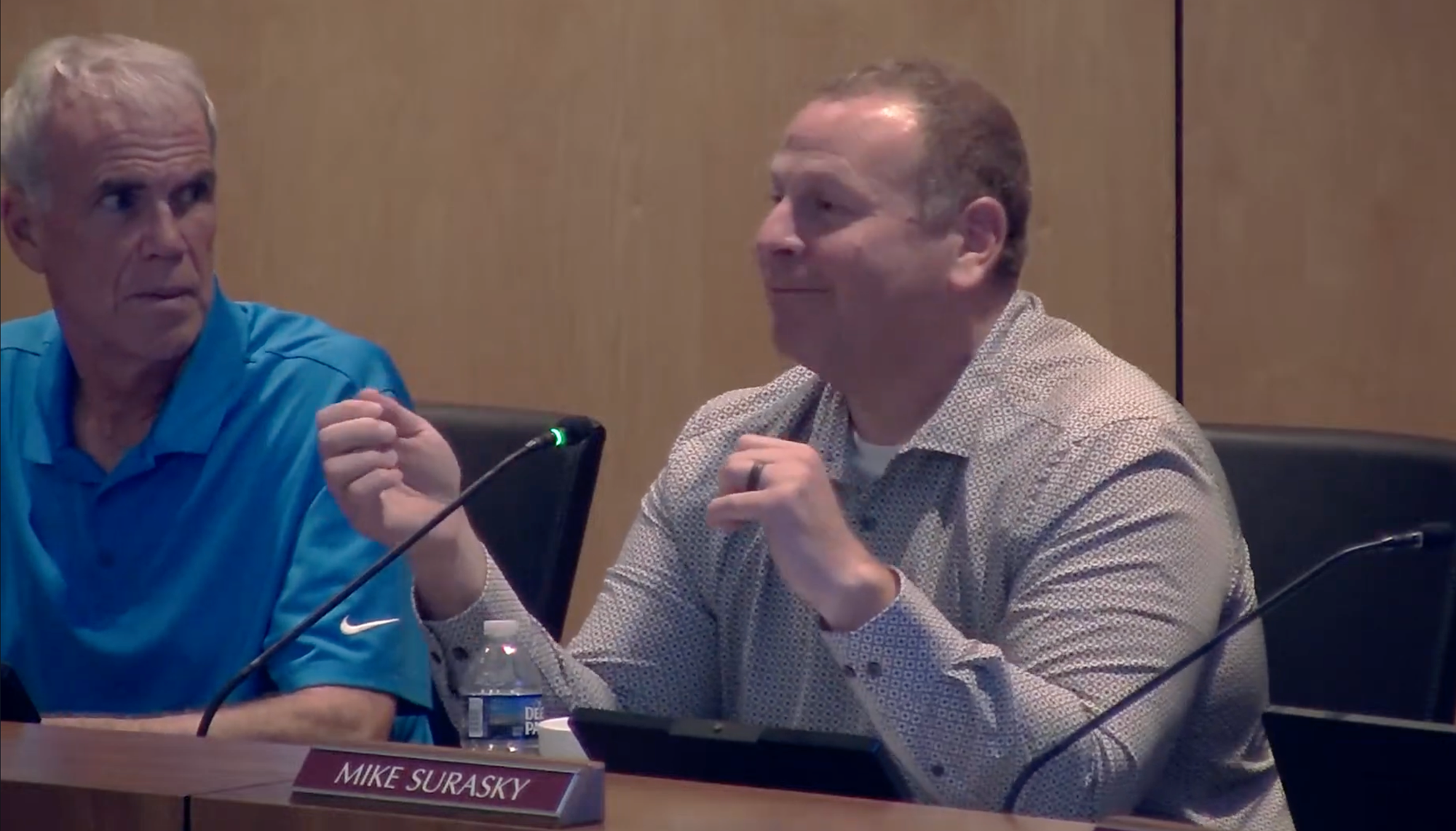
“Groups of people don’t necessarily know what’s best for them. I don’t mind saying that out loud. It’s true. Groups of people don’t necessarily know what’s best for them. Mmmkay. They think they do, but they don't.”
[Dan chiming in here. I’m going to take off my “fair and balanced” hat, for a matter of opinion.
Now, I don’t know Mike Surasky other than watching him in these meetings, but when he says things like this, he sounds like a real asshole. I don’t mind saying that out loud. It’s true. When he says things like this, he sounds like a real asshole.
You were appointed to the Planning Board to serve the public, not to explain to the public because you think they're too stupid to know what’s best for them. This type of mentality is why there are so many pissed off residents showing up to public meetings lately.]
I think Stallings’ presentation made a strong case that Clayton needs a broader economic base.
More than 10,000 homes are already in the pipeline. Those residents will need roads, utilities, police, fire protection, parks and all the other services that come with a larger town. Clayton needs more employers, stores, offices and carefully selected industrial development to help support that population.
But I do not believe the public’s job is to be convinced that officials already know what is best.
Residents may not know every detail of a cost-of-services study or a company’s utility demands. They do know what it is like to live on their road, sit in their traffic, rely on their well or look out their back window.
A sound economic-development strategy does not make every rezoning a good decision.
Stallings gave a useful explanation of where Clayton stands and what his department is trying to accomplish. The biggest unanswered question is what Clayton’s own Cost of Community Services study will show.
Until then, the county numbers provide some important context.
They shouldn't be treated as Clayton’s final growth math.
Town Hall Watch
Town Council Work Session - August 03, 2026
Town Council Takes Up Downtown Parking and Transit
Monday’s work session will include discussions about downtown mobility, a possible Bus Rapid Transit extension and a new microtransit agreement.
Clayton Town Council will meet Monday afternoon for a work session focused heavily on transportation and getting people around town.
The most substantial discussion is a 35-minute update on downtown mobility and parking. The agenda doesn’t include any maps, parking counts or proposed recommendations, so it’s not yet clear whether Council will review a completed study or begin talking through possible solutions.
The timing is notable. Two private downtown parking lots that residents and businesses have long relied on recently switched to paid parking, while the town continues to hear complaints that visitors can’t find available spaces. Clayton does have several public lots, but poor signage and wayfinding have made many of them difficult for visitors to locate.
Council will also receive an update on a possible Bus Rapid Transit extension and an interlocal agreement involving microtransit. The agenda packet does not identify a proposed route, service area, cost or timeline for either project.
The work session begins at 3 p.m. Monday, Aug. 3, at Town Hall. The downtown parking discussion is scheduled to begin shortly after 4 p.m. The meeting will also stream on the town’s YouTube channel.
Town Council Regular Meeting - August 03, 2026
The agenda for Monday evening’s regular Town Council meeting had not been made available to the public by the time this issue was published. The Clayton Dispatch will share any notable items once the agenda is posted.
Downtown Dispatch
Popsicles in the Park is Tomorrow
The FREE Summer Favorite Parks and Rec event at Municipal Park.
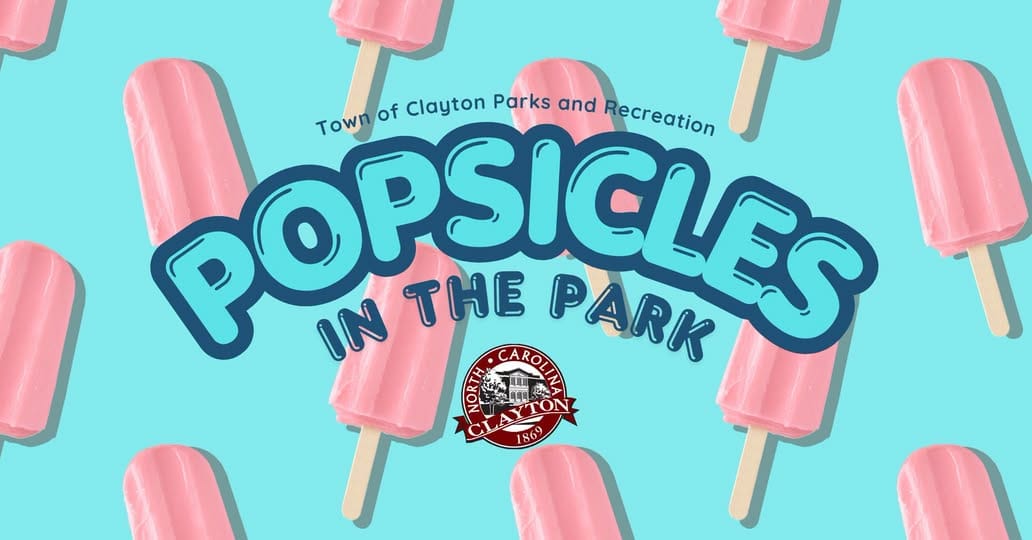
After being postponed because of rain, Clayton Parks and Recreation’s Popsicles in the Park has been rescheduled for Thursday, July 30, from 11 a.m. to 1 p.m. at Municipal Park.
The free event will include popsicles, music, yard games and time in the splash pad as the town wraps up National Park and Recreation Month. The annual celebration highlights the role parks, recreation programs and the people who run them play in improving community health, creating gathering spaces and helping families make lasting memories.
Municipal Park is located at 325 McCullers Drive.
Watch The Narron Family Killings
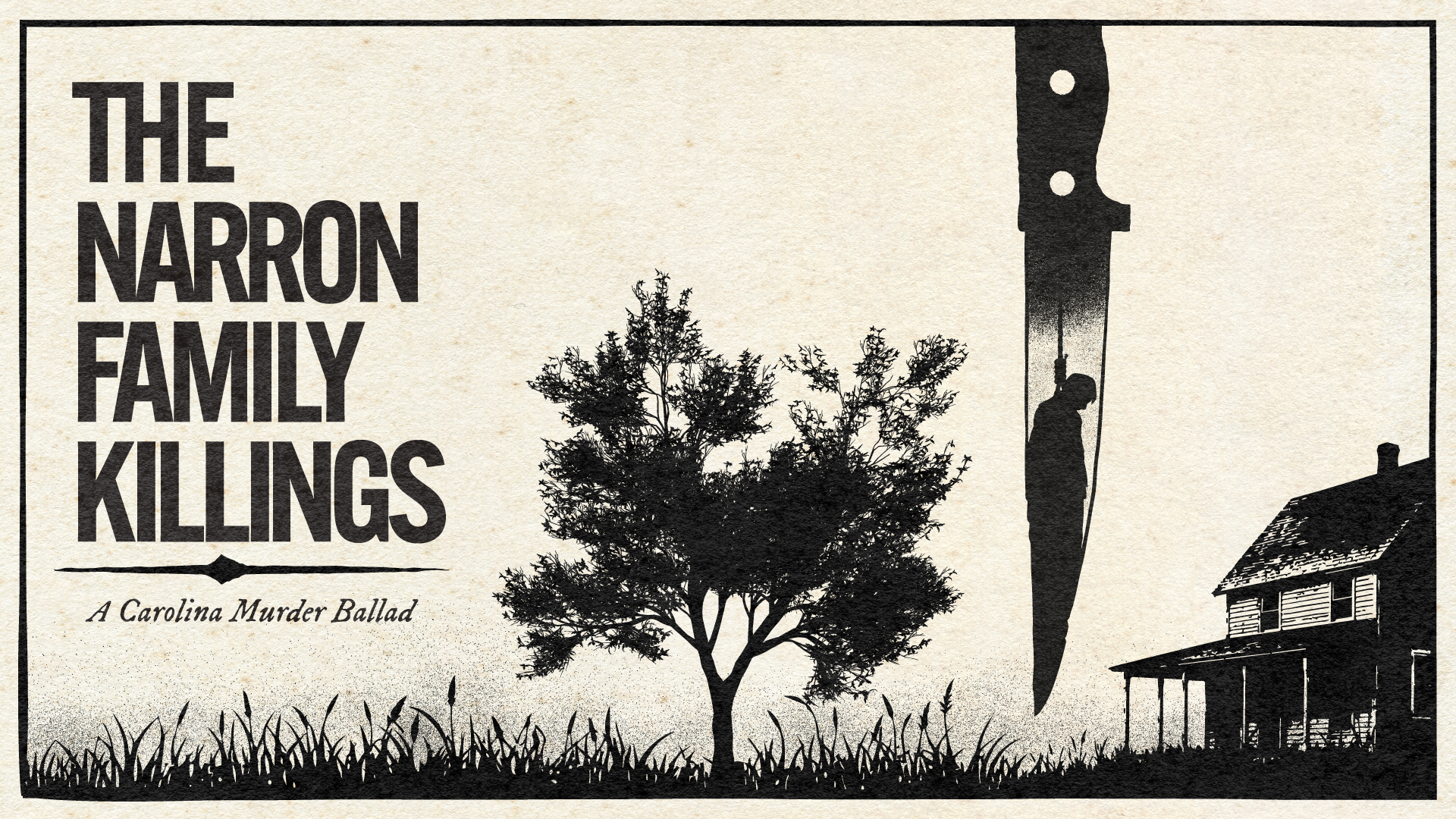
Shot entirely on black-and-white 16mm film in rural Johnston County, The Narron Family Killings is a dialogue-free Southern Gothic short told through an original murder ballad performed by The Henry Family Band.
Watch the film now—and subscribe for more strange little movies—on the Tasty Film Co. YouTube channel.
Weekend Picks
A quick rundown of what’s happening around Clayton this weekend. Music, markets, food, family stuff, and anything else worth leaving the house for.
The Dispatch Last Friday Game Plan
Last Friday in Clayton is back this week with food, shopping, pop-ups, live music and plenty of reasons to spend the whole day downtown. Here’s one way to do it.
Lunch
Triangle Coffee Shop | 102 E Second Street
Start the day with one of the new Ocean Latte drinks from Triangle Coffee Shop.
Aaktun Coffee & Bar | 401 E. Main Street
Or stop by Aaktun and try their new açaí bowl before the evening festivities begin.
Evening

Elixir VI | 425 E. Main Street
Birthday of the Boy Who Lived | 5pm
Kick off the evening at Elixir VI, which is transforming Last Friday into a candlelit celebration of potions, costumes, trivia and friendly house rivalry. Expect Butterbeer, floating candles, house-inspired cocktails and a hidden relic hunt. Costumes and house colors are encouraged, but not required.
Clayton Steakhouse | 307 E. Main Street
For dinner, keep it old-school with one of Downtown Clayton’s longtime favorites. Clayton Steakhouse has been serving steaks, seafood, burgers and hearty comfort food on Main Street for decades.
Shopping
Odd One Out | 400 E Main Street
Odd One Out is bringing the goods outside for a Last Friday sidewalk sale and pop-up event featuring records from Four Track Records, handmade goods from Cool Cat Crochet and treats from Buttermilk Boutique.
The Station | 231 E. Second Street
The Station, who has been counting down the days to Last Friday on their incredible reader sign is coming through with vendor pop-ups and free samples from 6–8 p.m. Head upstairs to browse locally made goods, specialty foods and other finds from the businesses and visiting vendors inside. This is a great opportunity to check out The Station if you haven’t yet.
Later (Live Music)
First Street Tavern | 115 E. First Street
Wade Hill LIVE | 7pm
First Street Tavern is getting loud for Last Friday with Wade Hill playing live. The band will perform outside from 7–10 p.m. if the weather cooperates. If the show moves indoors, music will run from 8–11 p.m. The Tavern opens at 3 p.m.
Crescendo.Clayton | 231 E Second St
Riffium LIVE
Riffium returns to Crescendo.Clayton for three hours of live rock and roll. Come ready to make some noise with the Riffium Rockers.
Saturday

Clayton Ghost Walks | Downtown Clayton | 8:15pm
Take a 60-minute walk through Downtown Clayton and hear the stories that refuse to stay buried. The tour begins at the railroad side of Horne Square and explores local history, legends and the town’s more unsettling tales. Guests should arrive several minutes early and wear comfortable walking shoes. Participation is at each guest’s own risk, subject to the terms listed on the Clayton Ghost Walks website.
Pottery Camp | 12973 US-70 Business
Birds of Prey Pottery Painting | 1pm
Pottery Camp is partnering with American Wildlife Refuge for an afternoon of wildlife education and art. Guests will meet three live birds of prey, learn about their stories and habitats, and paint pottery inspired by the feathered visitors. Tickets are $15 per person, with all ticket proceeds benefiting American Wildlife Refuge. Pottery pieces are purchased separately, with no additional studio fee. Advance tickets are required, and all attendees must have a ticket.
LaDiDa Wine Shop | 459 E. Main Street
Pour & Park with Bare Baked Pizza
LaDiDa welcomes Bare Baked Pizza to Pour & Park for an easygoing evening of food, drinks and live music. Grab a bottle of wine, order a glass or cocktail and settle in outside while the music plays. The event is open to guests 21 and older, with no reservations required.
Sunday
Revival 1869 | 222 E. Main Street
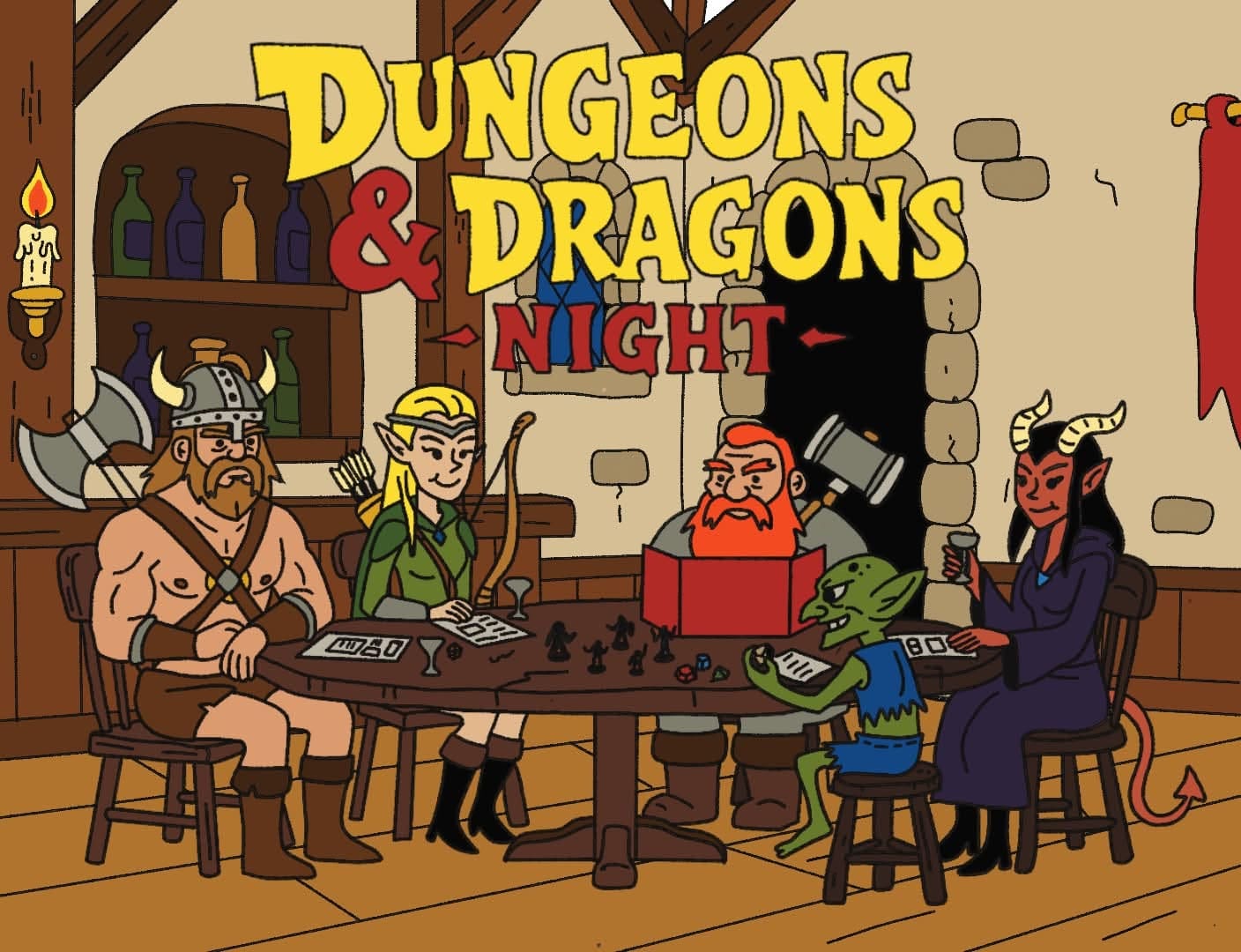
Dungeons & Dragons Game Night | 3pm
Adventure returns to Revival 1869 with a one-shot Dungeons & Dragons campaign open to new and experienced players. The fifth-edition game is expected to last three to four hours, although players are welcome to leave early if needed. Come roll some dice, meet fellow adventurers and enjoy a cocktail along the way.
Deep River Brewing Company | 700 W. Main Street
Lazy Sunday at Deep River
Taylor Schiess performs live at Deep River Brewing Company on Sunday afternoon. The taproom opens at noon, with Victory Power Yoga hosting a class from noon–1 p.m. and Gussy’s Greek Street Food serving from noon–6 p.m. Music begins at 2 p.m.
One Good Thing
Every week, we're going to try and end on a positive note. Snapshots of Clayton history, local legends, monumental ackomplishments in the community, and more. This section is supposed to make you feel good.
Introducing The Clayton Time Warp
This week, we’re launching Clayton Time Warp, a new weekly local history feature from Ben Chapman.
Ben is a Clayton resident, JoCo history expert, professional archivist and familiar face to anyone who spends much time around Johnston County public meetings. Each week, he’ll dig into an event, person or story from Clayton’s past—usually tied to the anniversary of that week’s publication.
I couldn't be more excited for Ben to be doing this, and without further holdup from me, here's Ben:
The Clayton Time Warp: “The [Two] Stop Lights”
July 30, 1936
My name is Ben Chapman and I am a student of history and a professional archivist. I live in Clayton and I wanted to share stories about the history of Clayton. This local history column has two goals:
- Focus on the local events and figures in the town of Clayton.
- Examine an 'anniversary' event on the same date of publication.
Perhaps the greatest free resource for learning about Clayton history is the recently digitized "Clayton News" which has editions online from 1914 to 1969.
"The Stop Lights" - July 30, 1936
This first article comes from the Clayton News on July 30, 1936. This local newspaper was microfilmed by the Hocutt-Ellington Memorial Library and recently digitized by the University of North Carolina at Chapel Hill. On page six there is an article describing the first two traffic lights that were installed in the Town of Clayton.
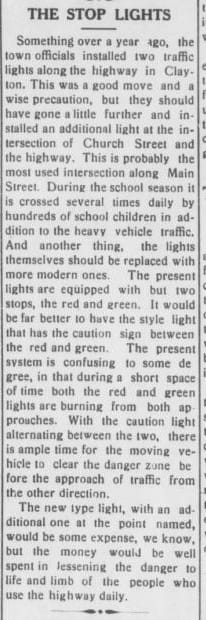
The stop lights were installed in 1935. A year later this was regarded as, "a good move and a wise precaution..." but this journalist had criticisms of these early traffic lights.
- Firstly, the journalist encouraged the installation of an additional light at Church and Main streets. He argued that it was necessary due to the fact that it's the most used intersection along Main street.
- Secondly, the journalist argued for the installation of "more modern" lights. The absence of a "caution" yellow light lead to confustion he argued, that could be avoided with the new type light.
Where Were "The [first two] Stop Lights"?
An earlier clipping from May 2, 1935 tells us exactly where these first two stop lights were installed; at the intersections of Main and O'Neal and Main and Lombard streets.
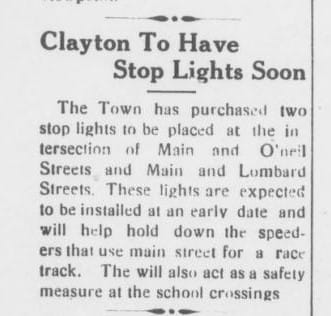
The stop lights at these two intersections that were installed to, "help hold down the speeders that use main street for a racetrack." And this early article referenced a desire to help students who needed to cross Main street in order to attend school.
How 'bout that, folks?! The Clayton Time Warp will be hitting your inbox weekly in addition to The Weekender.
Become a Paid Clayton Dispatch Member
$5 per month or $50 per year Membership helps support independent local reporting, expand coverage, and pay for future Dispatch upgrades.
Members receive:
- The ability to comment on Dispatch stories
- Priority question submissions for the upcoming Council Watch-Along with Dan podcast
- Regular behind-the-scenes reporting notes and project updates
- Member discounts and early access to Clayton Dispatch merch
- An exclusive Clayton Dispatch sticker for monthly members*
- An exclusive Clayton Dispatch tote bag for annual members.
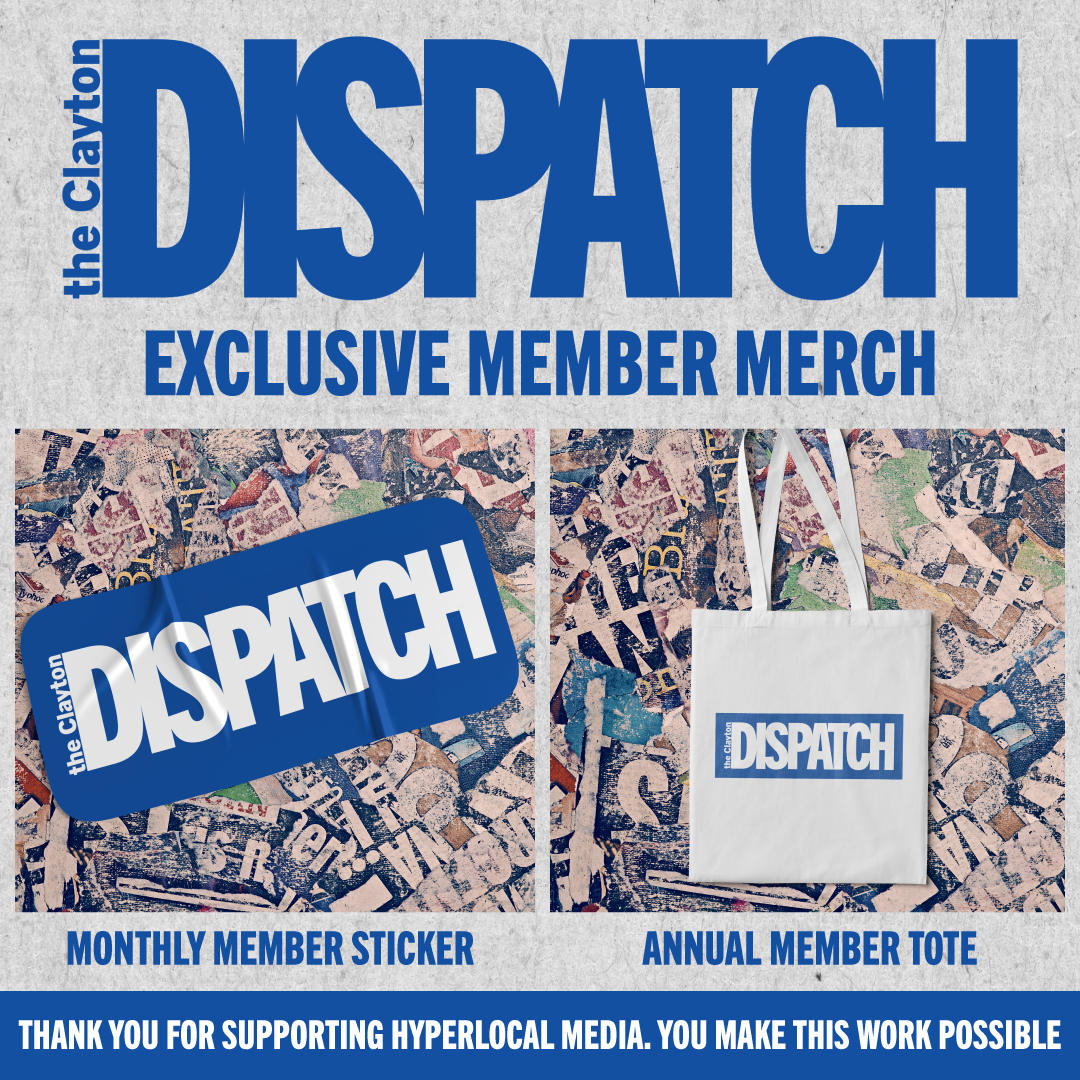
The actual reporting will remain available to everyone. Paid membership helps make more of it possible.
Also, this can get us a whole lot closer to a print edition.
*Stickers will be given out every quarter.