The Weekender: Novo Nordisk and Clayton’s Wastewater Problem: Part 1

Good morning, Clayton.
Action-packed dispatch this week.
I’ve spent a lot of the past couple of weeks digging through documents, asking questions, and trying to make sense of a story that started with one person telling me I needed to look into Clayton’s water agreement with Novo Nordisk. Then another person told me the same thing. Then another.
So, I started pulling the thread, and I hope you're sitting down for this one.
This week’s Dispatch Lead is the beginning of that story. I’m calling it Part One because there’s simply too much here to cram into a single issue, and I still have questions I’m working to answer.
Also this week, a rundown on next week's planning board meeting, lots of fun stuff to do this weekend, and some news of my own from Downtown Clayton: a group of us are working to launch the Downtown Clayton Merchants Association.
And because not everything needs to involve zoning, wastewater, or local government, we’ve also got a pretty great Good Thing from the library.
There's probably no Dispatch next week. Your boy's going to Hollywood.
Let’s get into it.
The Dispatch Lead
Novo Nordisk and Clayton’s Wastewater Problem: Part 1
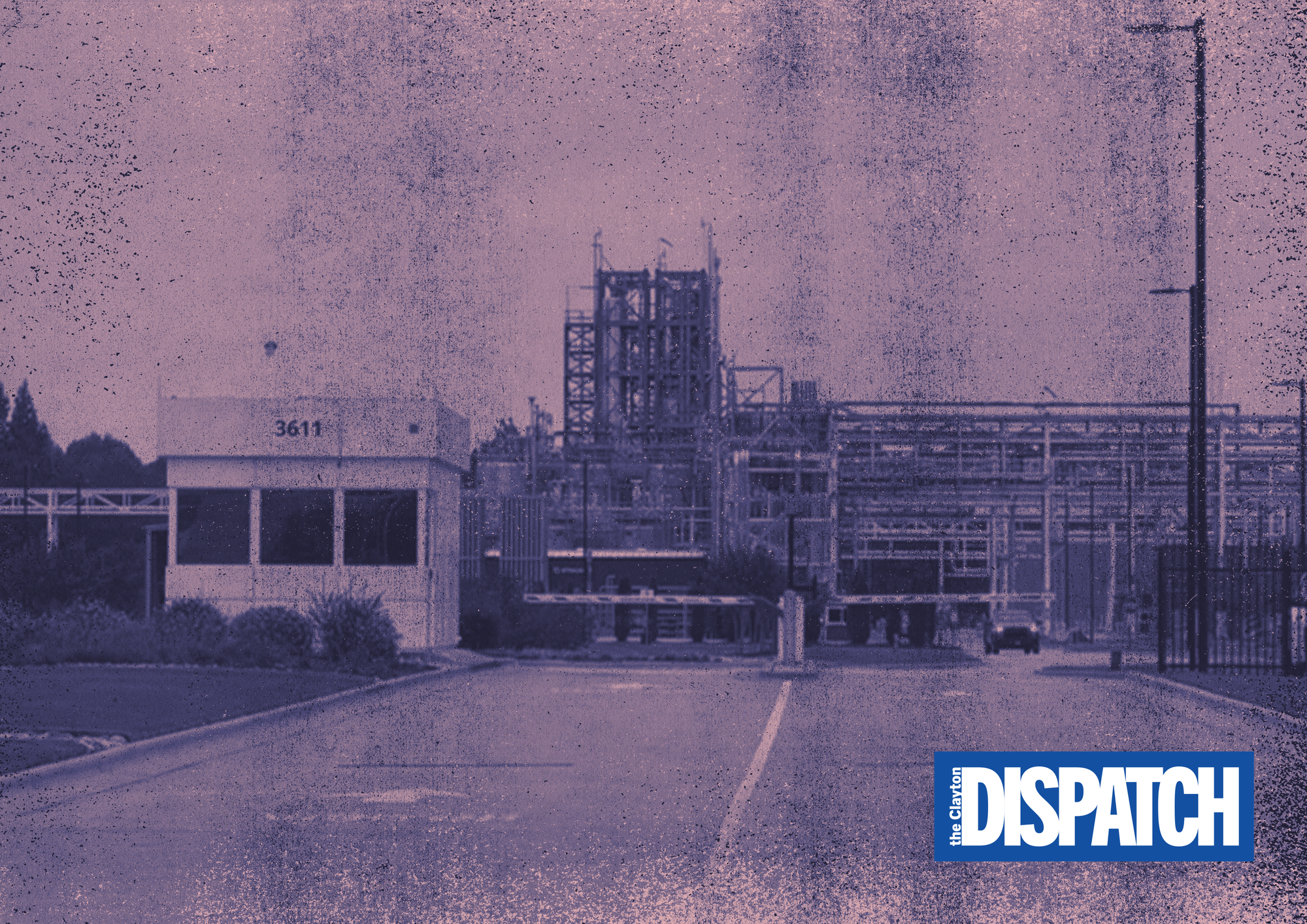
Three separate tips led The Clayton Dispatch to the same question: What happened to the wastewater agreement state regulators wanted Clayton to secure from Novo Nordisk?
The Agreement That Never Happened
A few months ago, someone told me that if I really wanted to understand what was happening with Clayton’s new wastewater treatment facility, I needed to look into the Town’s agreement with Novo Nordisk.
Then somebody else told me essentially the same thing.
Then it happened a third time.
At that point, alarm bells are ringing double-time.
The questions that started popping up immediately were: What financial commitment did Clayton secure from Novo Nordisk and Grifols Therapeutics before building hundreds of millions of dollars worth of wastewater infrastructure based, at least in part, on the company’s projected needs?
In June, I submitted a public records request to the Town of Clayton looking for those agreements and related records.
This week, some of them finally arrived.
And they answer one question pretty clearly.
The agreement state regulators originally wanted Clayton and Novo Nordisk to reach?
They never reached it.
But that's definitely not the end of the story.
Who Cares?
To understand why any of this matters, let's go back to 2020.
Clayton was preparing to finance and construct what would become the Sam’s Branch Water Reclamation Facility, initially designed to treat up to 6 million gallons of wastewater per day.
On Oct. 20, 2020, Clayton and Novo Nordisk signed a Memorandum of Understanding (MOU).
That document is remarkably straightforward about Novo’s role in the project.
It says Clayton’s decision to pursue the facility was based, in part, on Novo’s projection that its operations could eventually require at least 850,000 gallons of wastewater treatment every day by 2025, with that demand potentially continuing or increasing beyond 2031.
The document also explains why the North Carolina Local Government Commission (LGC) was involved.
To pursue financing, the LGC wanted the Town and Novo to work toward a contract requiring Novo to pay a minimum amount for wastewater treatment, regardless of how much wastewater the company actually discharged.
In other words, if Clayton built expensive capacity anticipating Novo would use it, state regulators didn't want ordinary Clayton utility customers left holding the bag if that demand disappeared. This is called a "Take or Pay" agreement.
Here's the deal.
The 2020 MOU wasn't that agreement.
In fact, it explicitly says neither Clayton nor Novo was obligated to ultimately enter into the contemplated contract.
They had agreed to negotiate.
Nothing more.
The State Wanted More Protection
By September 2021, the price of Clayton’s wastewater project had grown substantially, and the Town was seeking another $80 million in state revolving-loan financing.
The LGC approved the request — conditionally.
According to the State Treasurer’s office, Novo Nordisk and Grifols were supposed to reach final agreements with Clayton defining their financial obligations and protecting residential ratepayers if their wastewater needs, and therefore their payments, fell significantly below projections.
The state publicly gave an Oct. 15, 2021 deadline for final contracts.
That wasn't an insignificant condition.
The State Treasurer had described long-term contracts with companies including Novo and Grifols as “essential elements” of Clayton’s debt repayment plan for the new wastewater facility.
Oct. 15 came and went.
They Couldn't Reach an Agreement
Two weeks later, on Oct. 29, 2021, then-Interim Town Manager Rich Cappola sent a letter to Novo Nordisk.
That letter may be the most important document I've received so far.
By then, Novo was telling Clayton it could need as much as 1.3 million gallons of wastewater treatment per day over the following decade. The Town was already obligated under earlier agreements to provide Novo 675,000 gallons per day.
But Cappola acknowledged that the larger financial-protection agreement hadn't happened.
The Town and Novo had spent the previous year attempting to negotiate a contract that would give Clayton some protection if the Town built wastewater capacity for Novo but didn't ultimately receive the expected wastewater flow.
They were unable to do it.
The letter says the Town and Novo “have not been able to reach agreement on a Contemplated Contract that is satisfactory to all parties, including the LGC.”
That confirms an important part of what originally led me into this story.
But the next paragraph complicates things.
According to Cappola, the LGC itself then asked Clayton to notify Novo that the Town would move ahead with the full 6-million-gallon-per-day facility anyway.
The difference was that Clayton would no longer be obligated to reserve future wastewater capacity for Novo beyond what the company had already secured.
If Novo needed more capacity later, it would have to request it, pay the applicable fees, and take whatever capacity remained available.
So this isn't as simple as saying Clayton ignored the state and built the plant anyway.
The documents indicate the LGC knew negotiations with Novo had failed and participated in whatever happened next.
What I don't yet know is how.
Six weeks earlier, the LGC had conditioned $80 million in additional financing on final agreements protecting Clayton ratepayers.
By Oct. 29, everyone acknowledged that Clayton and Novo hadn't reached one.
What happened between those two dates?
Call Columbo, because it's a mystery to me.
Why Should Clayton Residents Care?
If you've made it through several paragraphs about wastewater contracts and state financing, you may reasonably be asking what any of this has to do with you.
The answer is your utility bill.
Clayton’s water and sewer system is an enterprise fund. Its customers pay for the system’s operation, infrastructure and debt through rates and fees.
When Clayton prepared its FY2026 budget, the Town recommended a 10.2% combined water and sewer rate increase. Among the reasons cited was a $9.7 million increase in debt service attributable to the Sam’s Branch Water Reclamation Facility. Johnston County’s higher wholesale water and sewer rates and other system costs also contributed, so the rate increase cannot be attributed to Sam’s Branch alone.
That doesn’t mean Novo Nordisk is solely responsible for Sam’s Branch. It's no secret that Clayton is growing rapidly, the old Little Creek facility needed replacement, and residential and commercial growth all contributed to the need for more capacity.
But the Town’s own documents make clear that Novo’s projected demand was part of the decision to build the new facility. In 2020, Clayton and Novo stated that the Town’s decision to pursue the 6-million-gallon-per-day plant was based, in part, on Novo’s projection that it could eventually need at least 850,000 gallons of wastewater treatment per day.
That is precisely why state regulators were concerned about protecting Clayton’s ratepayers if the industrial wastewater demand used in those projections didn’t materialize.
Another number keeps coming up as I've dug into this story: $94 million.
Multiple sources familiar with this situation have separately told me that if Novo ultimately reduces or abandons the wastewater commitment Clayton originally anticipated, the financial exposure to Clayton’s utility system could be approximately $94 million.
I haven't yet obtained the underlying document or calculation needed to independently verify that figure, so I'm not presenting $94 million here as an established liability.
But it is one of the most important numbers I'm trying to nail down now.
And if you're paying attention...
A $9.7 million increase in annual Sam’s Branch debt service was one of the pressures facing a water and sewer system that raised combined rates by 10.2%; then a potential $94 million exposure deserves a very clear explanation from the Town.
That doesn't mean a $94 million exposure would translate into a proportionate rate increase. We don't yet know what period that number covers, how it would be financed, what payments from Novo would offset it, or how much other utility customers would ultimately bear.
But the basic question is glaringly obvious:
If that $94 million figure is accurate, what would it mean for Clayton water and sewer customers?
Another important piece of context.
Novo Nordisk’s primary Clayton manufacturing campus sits outside Clayton’s corporate limits. That means the Town collects ZERO dollars in municipal property taxes from the company’s main manufacturing property, even though Clayton provides substantial water and wastewater services to the site.
Novo does pay Clayton for those services. Under a 2023 agreement, the company agreed to pay more than $4.3 million in additional water and wastewater capacity charges, along with ongoing service charges.
So this isn't an argument that Novo pays nothing.
It's a question of who carries the financial risk associated with the public infrastructure built, in part, around Novo’s projected demand.
That's the question the Local Government Commission was asking years ago.
And it's the question Clayton residents deserve an answer to now.
There Was a New Agreement, Two Years Later
Novo did eventually sign another substantial wastewater agreement with Clayton.
It was the agreement mentioned earlier, signed in December 2023.
Under that agreement, Clayton agreed to provide Novo another 175,000 gallons per day of wastewater-treatment capacity, eventually bringing the company's total allocation to 890,000 gallons per day.
Novo agreed to pay $4,333,175 for the additional capacity. The agreement also requires the company to pay based on a minimum quantity equal to 80% of its allocated capacity.
There is something else in that agreement worth remembering.
Novo can terminate it with 12 months' written notice, and the contract expressly says Novo may enter agreements with third parties for additional or alternative water and wastewater treatment capacity, including for its existing manufacturing operations.
Let that sink in.
So What Happens Now?
Again, none of this proves that Novo Nordisk plans to leave Clayton’s wastewater system.
But the 2023 agreement explicitly gives Novo the ability to pursue alternative wastewater treatment, and it gives the company a path to terminate the agreement with 12 months’ notice.
And that matters because the next set of records I found shows Novo has already been exploring new ways to handle its wastewater — including source reduction and something described as a “non-discharge system.”
I’ve asked Novo what that means for its future use of Sam’s Branch.
I’ve also asked the State Treasurer’s Office for the records explaining what happened to the LGC’s 2021 requirement after Clayton and Novo failed to reach the agreement regulators originally wanted.
I’m still waiting on those answers.
So Part 1 ends with the same question that started this whole thing:
If Clayton built expensive wastewater capacity around Novo Nordisk’s projected demand, and Novo ultimately needs less of it than everyone expected, who pays for the difference?
Novo Nordisk?
Or you?
We'll be back soon with Part 2. Same Bat Time, Same Bat Channel.
Town Hall Watch
Planning Board | Monday, September 28 at 6 PM
The Clayton Planning Board has a short agenda next week, with one major development proposal up for review: Ramblewood Industrial, a rezoning of nearly 24 acres along Clayton Boulevard and Ramblewood Drive. The property is currently approved for 154 homes — 96 single-family houses and 58 townhomes — but the new proposal would replace that plan with industrial and commercial development.
The concept calls for two industrial buildings totaling up to 255,000 square feet of flex space on roughly 19.7 acres, with another 4.26 acres reserved for future commercial development. A traffic study estimates the project would generate about 1,346 vehicle trips per day, and the developer would be required to make improvements around Ramblewood Drive and Clayton Boulevard.
Planning staff is recommending approval, with a request that the board consider removing religious institutions and minor telecommunications facilities from the permitted-use list. The Planning Board’s decision will only be a recommendation; the project will move on to Town Council for a future public hearing.
The meeting begins at 6 p.m. Monday in the Council Chambers at Town Hall, 111 E. Second Street.
Downtown Dispatch
A Downtown Clayton Merchants Association Is Coming
Downtown Clayton businesses are getting a new organization of their own.
I’m currently working with other Downtown Clayton merchants to organize the Downtown Clayton Merchants Association, an independent group intended to give downtown businesses a more direct way to communicate, collaborate, and speak collectively about issues affecting the commercial district.
Downtown business owners should have a regular place to talk to one another, work together on promotions and events, share concerns and ideas, and develop a stronger collective voice when decisions affecting Downtown are being made.
One of the first pieces to live under that umbrella immediately will be Last Friday in Clayton, which will continue as its own event and identity while becoming part of the Merchants Association’s broader efforts to promote Downtown businesses, coordinate events, and give merchants more opportunities to work together.
Weekend Picks
A quick rundown of what’s happening around Clayton this weekend. Music, markets, food, family stuff, and anything else worth leaving the house for.
Presented by The Clayton Center.
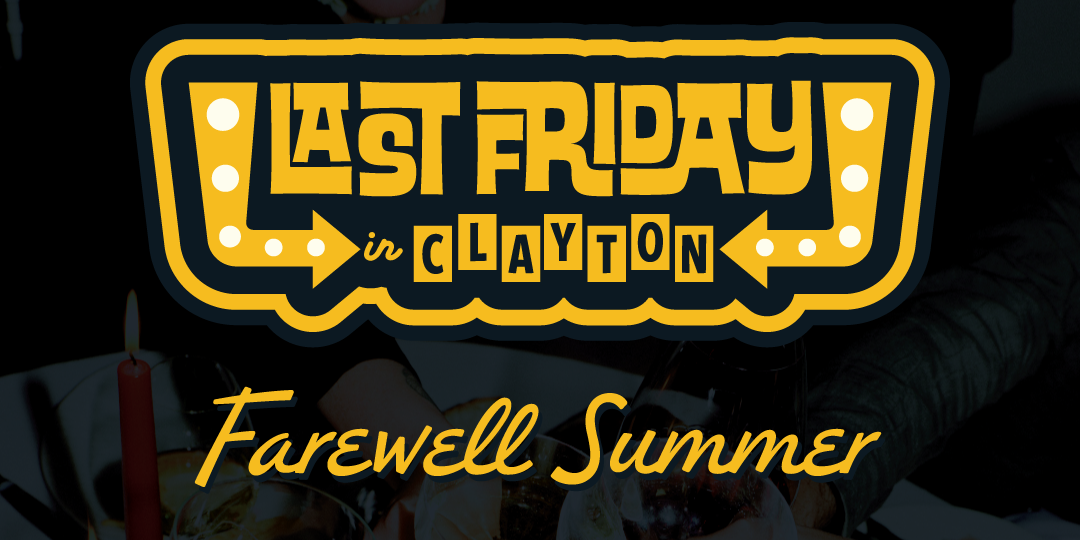
Last Friday in Clayton
Last Friday is back, and Downtown Clayton is absolutely loaded this month. Live music, pop-ups, tarot readings, tiki drinks, a 10th anniversary party and even Captain America are all on the schedule. Here's a few of our favorite picks.
ODD ONE OUT — POP-UP MARKET
Odd One Out hosts another sidewalk pop-up featuring Four Track Records, Cool Cat Crochet, Unsanctioned Rehearsal Society
CRECENDO — LIVE MUSIC DOUBLE HEADER
Two solo artists take the stage downtown:
- illoh: 7–8 p.m.
- Sarah Kohrs: 8–9 p.m.
REVIVAL 1869 — TIKI PARTY
Revival is giving summer one last sendoff with a full-on tiki party. Break out the Hawaiian shirts, florals and loudest tropical prints you own. Also popping up:
- The Violet Raven — crystals and tarot readings
- Magic Alley Treats
LADIDA WINE SHOP
Josh Colton performs live on the patio from 7–9:30 p.m.
21+.
ELIXIR VI
Robert Hunter, featured on NBC's The Voice, performs live at Elixir VI. They'll also be giving Last Friday guests an early taste of their new fall cocktail menu before its official release.
FIRST STREET TAVERN — 10TH ANNIVERSARY PARTY
First Street Tavern is celebrating 10 years with an entire night of festivities.
- Aliyah Daughtry: 7–10 p.m.
- DJ Sweet Tea Dance Party: 9 p.m.–midnight
CLAYTON ROCKS
William & The Derelicts perform from 8–11 p.m.
JONES CAFE — CAPTAIN AMERICA
Bring the kids and meet Captain America himself from 5–6:30 p.m. Costumes are encouraged, so young superheroes are welcome to dress the part.
There’s a lot happening in just a few blocks, so park the car, walk Downtown and make a night of it.
Saturday
Main Street Community Garden | 439 East Main Street
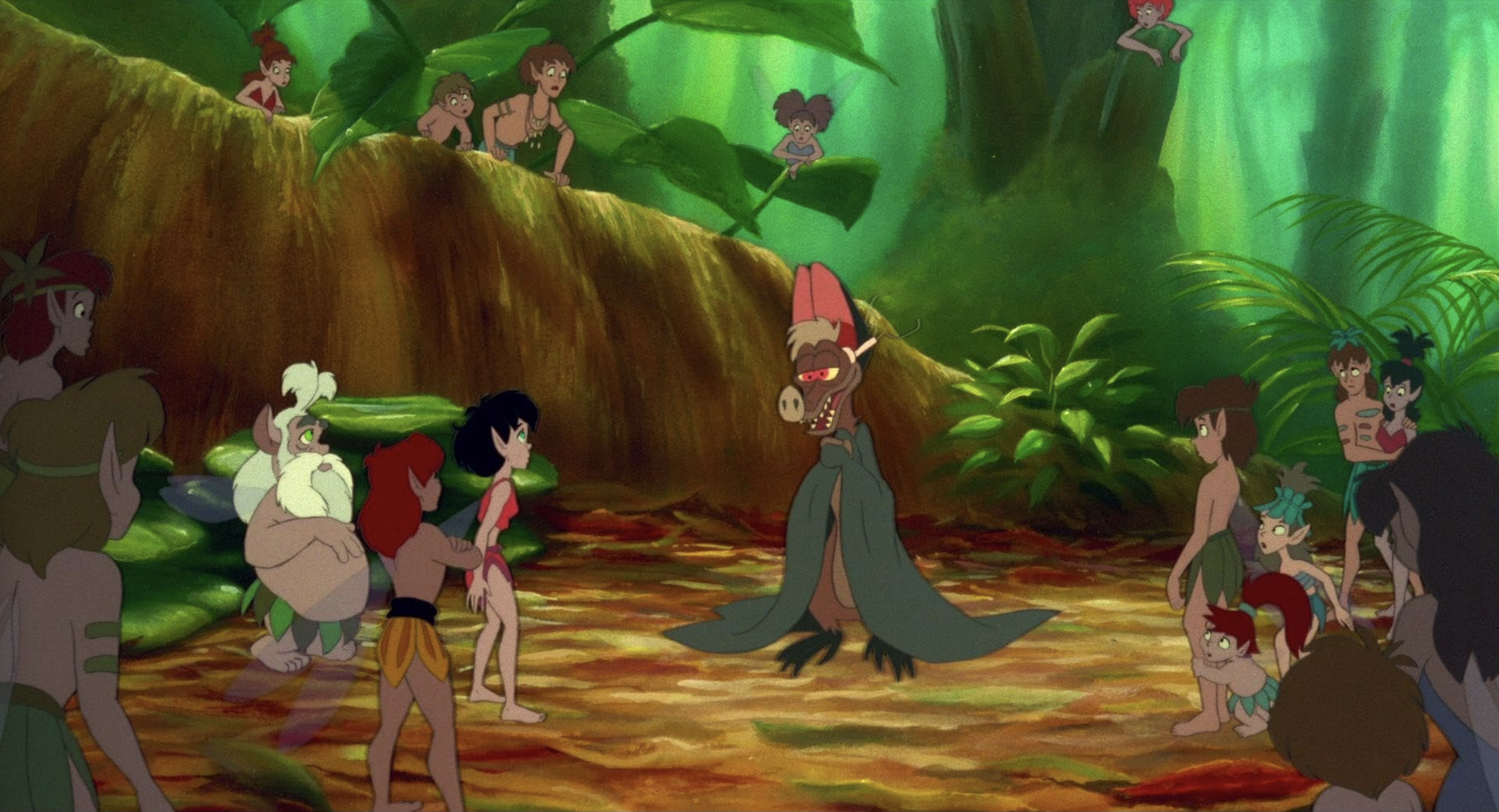
Movies in the Garden: FernGully: The Last Rainforest | 7:30 pm
Movies in the Garden returns for its rescheduled fall series with the wonderfully weird ’90s animated classic FernGully: The Last Rainforest. Bring a chair or blanket and settle in under the stars at the Main Street Community Garden for a night of fairies, toxic sludge, logging machines and Robin Williams as a completely unhinged bat. The movie begins after dark, and proceeds benefit the garden. Tickets purchased for the postponed summer screening will be honored, and an indoor Downtown Clayton backup location is in place if the weather doesn’t cooperate.
Deep River Brewing Company | 700 West Main Street
NAMI Community Day | 9:30 AM–5:30 PM
Deep River Brewing Company hosts NAMI Community Day in support of the National Alliance on Mental Illness, beginning with an opening ceremony at 9:30 a.m. and a community walk from 10 a.m.–noon. The afternoon includes live music from 22 Strings from noon–2:30 p.m. and Wade Hill from 3–5:30 p.m., plus food from 50Kitchen and Havana Bites, local vendors, a kids craft zone, appearances from Jagger the JCC mascot and an Uncle Sam stilt walker, and the Clayton Fire Department. Gift card giveaways will take place every 30 minutes, with a 50/50 drawing at 5 p.m.
Sunday
Revival 1869 | 222 E Main St
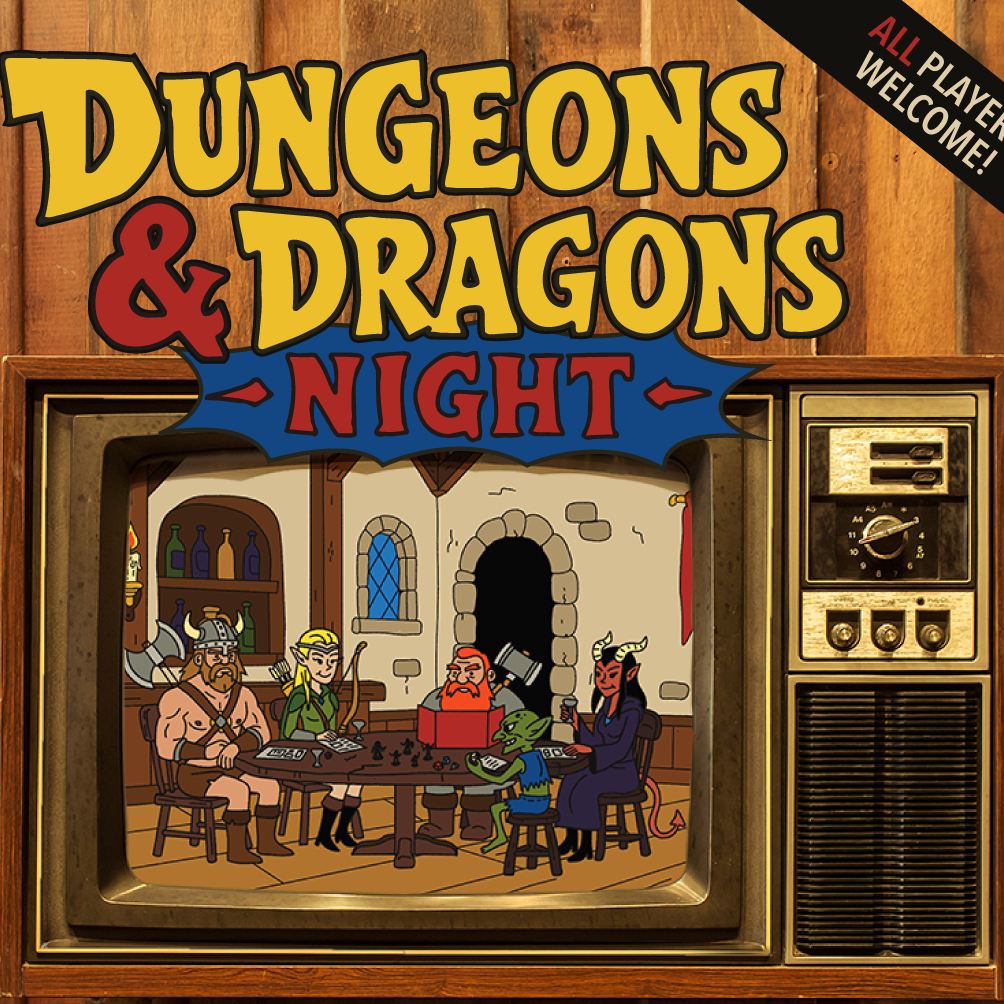
D&D Night | Sunday
Adventure awaits at Revival 1869’s monthly D&D Night, an evening of battles, questionable decisions and plenty of unpredictable fun. Each month features a new one-shot campaign, so there’s no long-term commitment required—making it a great way to try Dungeons & Dragons for the first time or meet other local players without signing on for a full campaign. Just show up, create a character or bring your own, grab your dice, and jump into the story. New and experienced adventurers are welcome.

The Good Thing
Every week, we're going to try to end on a positive note. Snapshots of Clayton history, local legends, monumental accomplishments in the community, and more. This section is supposed to make you feel good.
Give a Costume Another Halloween
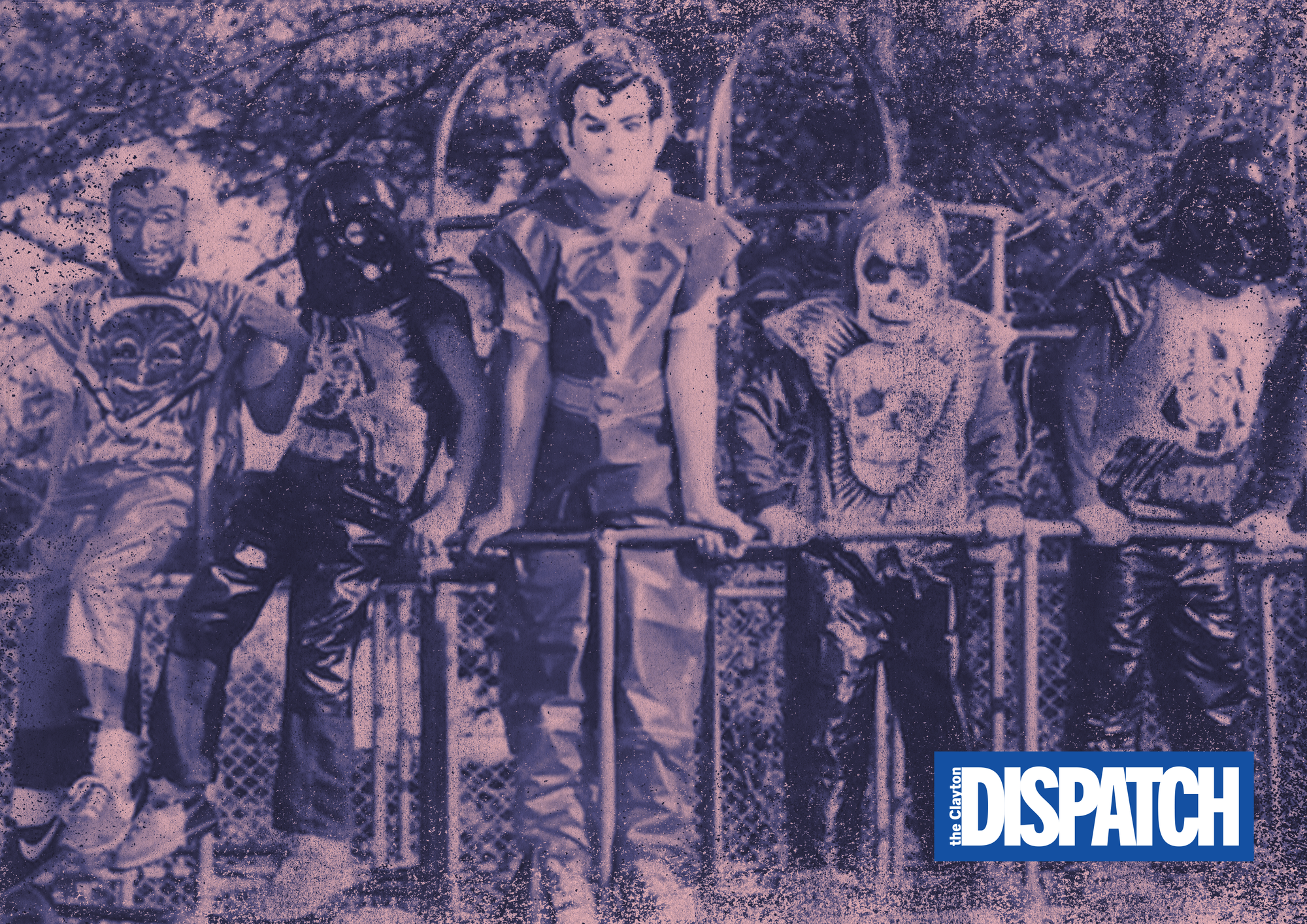
Halloween costumes are one of those things kids can be incredibly excited about—and then completely outgrow by the following October.
Hocutt-Ellington Memorial Library has come up with a pretty great solution.
The library’s Halloween Costume Swap is open now through October 31, giving families a chance to browse free costumes and accessories for everyone from babies to teenagers. And despite the name, you don’t actually have to swap anything to participate. Families are welcome to simply stop by the library and find a costume their child can use.
The library is also accepting donations of clean, gently used or new costumes and accessories, including masks, hats, capes and other costume pieces. Items should be free of stains, rips, or significant damage.
It’s simple, useful, and exactly the kind of community program we love highlighting here: something sitting unused in one family’s closet gets another Halloween, another kid gets the excitement of picking out a costume, and another parent gets one less expense to worry about.
It also keeps perfectly good costumes out of the trash and puts them back into circulation right here in Clayton. That’s the kind of small, practical thing that makes a community work better—neighbors passing along what they no longer need so someone else can enjoy it.
The Costume Swap is available during regular library hours at Hocutt-Ellington Memorial Library, 100 S. Church Street, through Halloween.
That’s a Good Thing.
Become a Paid Clayton Dispatch Member
$5 per month or $50 per year Membership helps support independent local reporting, expand coverage, and pay for future Dispatch upgrades.
Members receive:
- The ability to comment on Dispatch stories
- Priority question submissions for the upcoming Council Watch-Along with Dan podcast
- Regular behind-the-scenes reporting notes and project updates
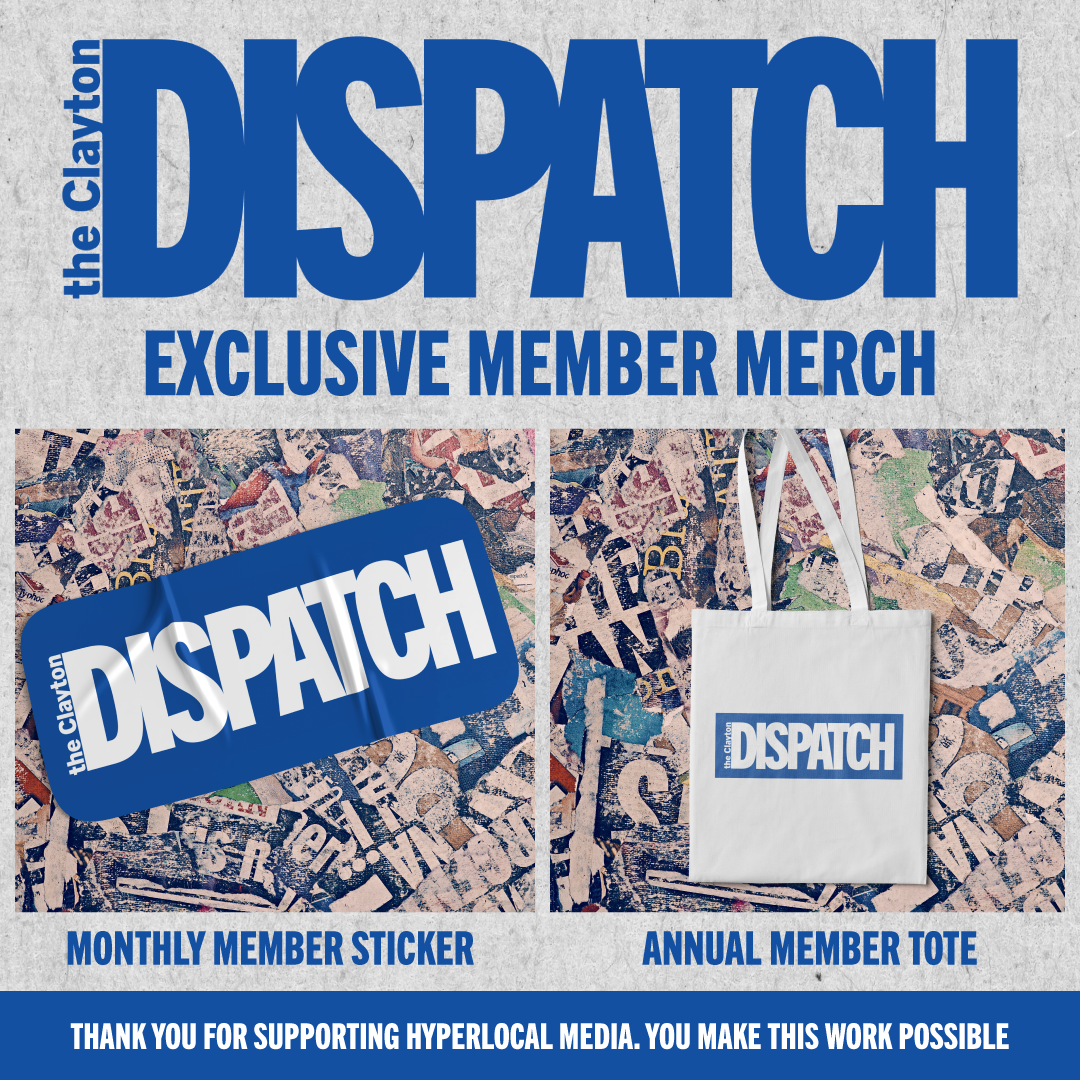
- Member discounts and early access to Clayton Dispatch merch
- An exclusive Clayton Dispatch sticker for monthly members*
- An exclusive Clayton Dispatch tote bag for annual members.
The actual reporting will remain available to everyone. Paid membership helps make more of it possible.
Also, this can get us a whole lot closer to a print edition.
*Stickers will be given out every quarter.