The Weekender: What’s Up With the Mule Barn? Part 2

Good Morning, Clayton!
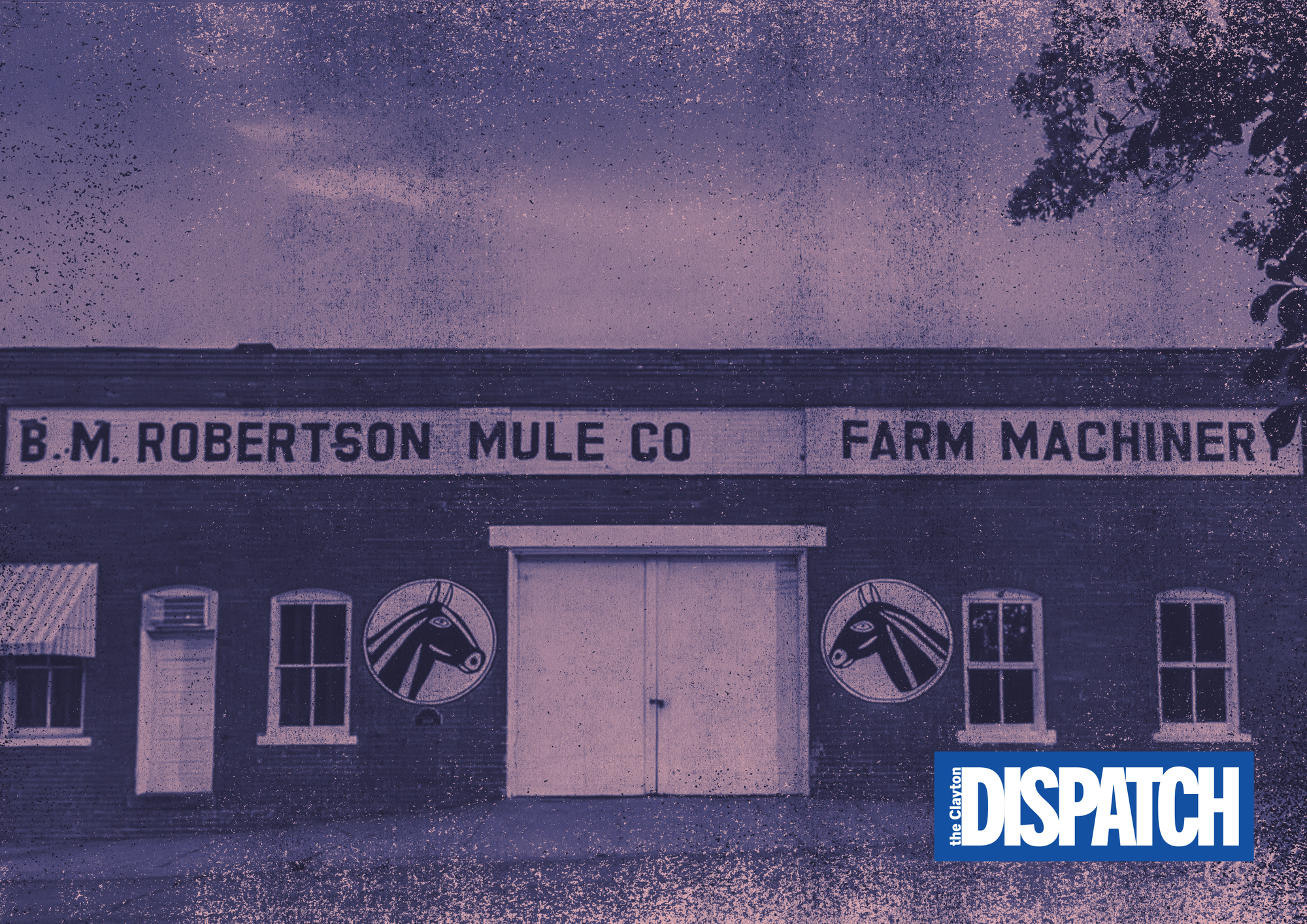
Lots going on this week, including part 2 of what I'm sure will be a multi-part series following the progress of the BM Robertson Mule Building. If you need a refresher on part 1, check it out here. We went over how the town got the building, and a little bit of history on the Robertson family.
Before we jump in, though, I want to point you toward some other local reporting worth your time.
The JoCo Sass Dispatch published a piece this week digging into the Clayton Harvest Festival. I’ve obviously had plenty to say about the festival over the years, particularly how decisions affect Downtown businesses, so it's nice to see others picking up what's going on.
So when you’re finished here, go give her piece a read.
Alright. Let’s get into it.
The Dispatch lead
What’s Up With the Mule Barn? Part 2
This past Monday night, September 14, the Town of Clayton held its long-awaited presentation on the future of the B.M. Robertson Mule Company Building.
The evening featured the premiere of a Town-commissioned documentary on the building’s history, followed by a presentation from Jacobs on the initial findings of an adaptive reuse study that cost the Town $57,400.
What it didn’t feature was much in the way of a concrete plan for what the building will ultimately become.
Instead, residents were shown a range of possibilities: community events, meeting space, arts and cultural programming, classes and workshops, local history exhibits, culinary programming and small-business support. The presentation emphasized flexibility and continued public input rather than recommending a specific use.
Clayton is approaching the two-year anniversary of purchasing the building, and the Town is still largely in the phase of deciding what it wants the property to become.
The Town purchased the property for $1 million, has spent nearly $100,000 on professional services evaluating it, another approximately $16,000 on the documentary, and has now budgeted $2 million for the first phase of restoration.
That $2 million, the Town confirmed to The Dispatch this week, is expected to cover Phase 1 only — work focused on the building itself, including structural and building-envelope improvements, before the eventual interior buildout.
The interior renovation — Phase 2 — has no estimated cost yet because the Town still hasn’t decided what the finished building will actually be used for.
So after Monday night’s presentation, the biggest question surrounding the Mule Barn isn’t just what it could become.
It’s how much Clayton is prepared to spend before it decides what it wants it to be.
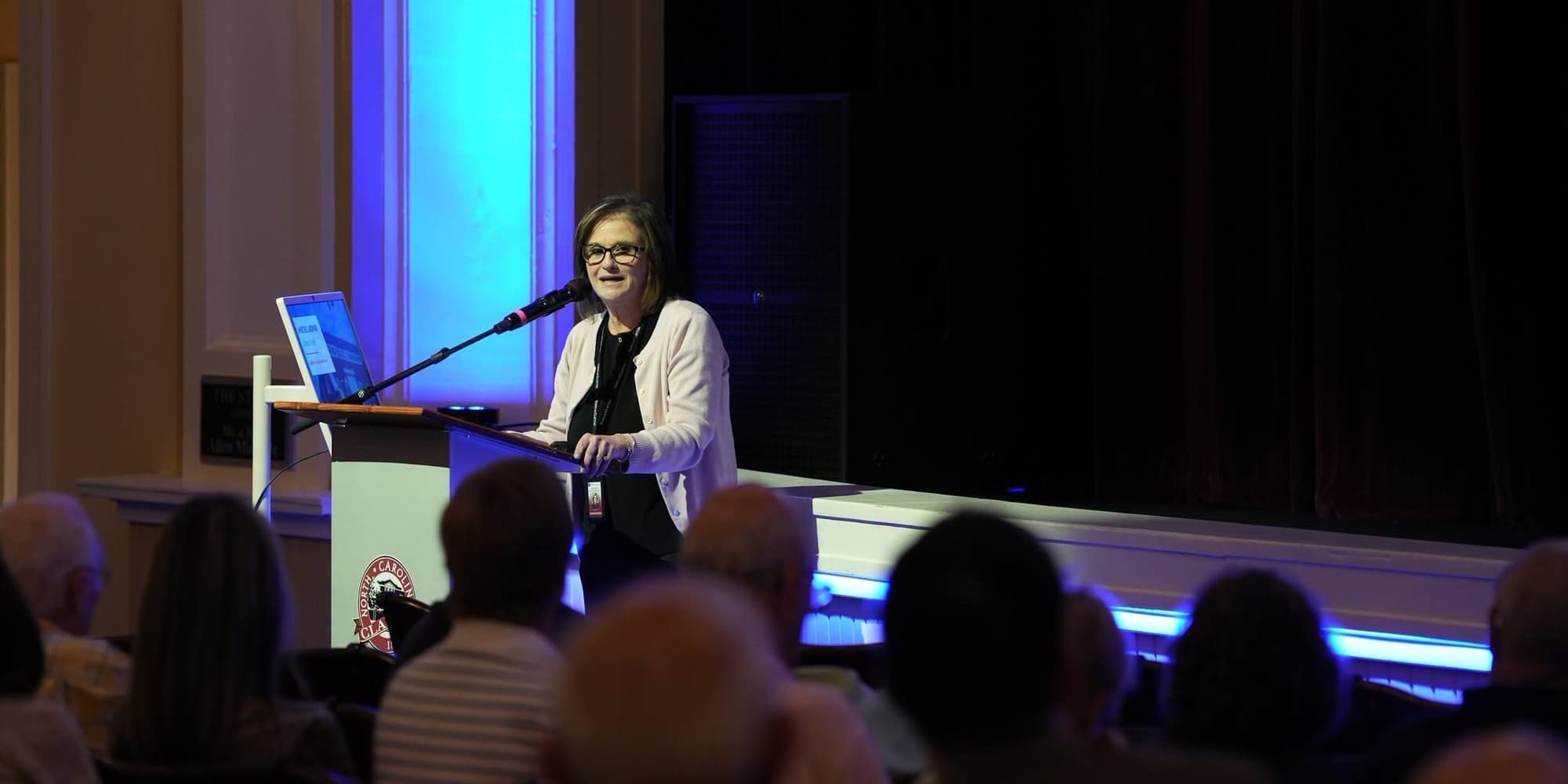
So What Did the $57,400 Study Tell Us?
Monday night’s presentation was supposed to give the public its first real look at the results of the Town’s adaptive reuse work.
For $57,400, Jacobs presented a range of possibilities for the building, including community events, arts and cultural programs, classes and workshops, meeting space, local history exhibits, culinary and teaching kitchens, entrepreneur support and what the presentation described simply as “a hub for all generations.”
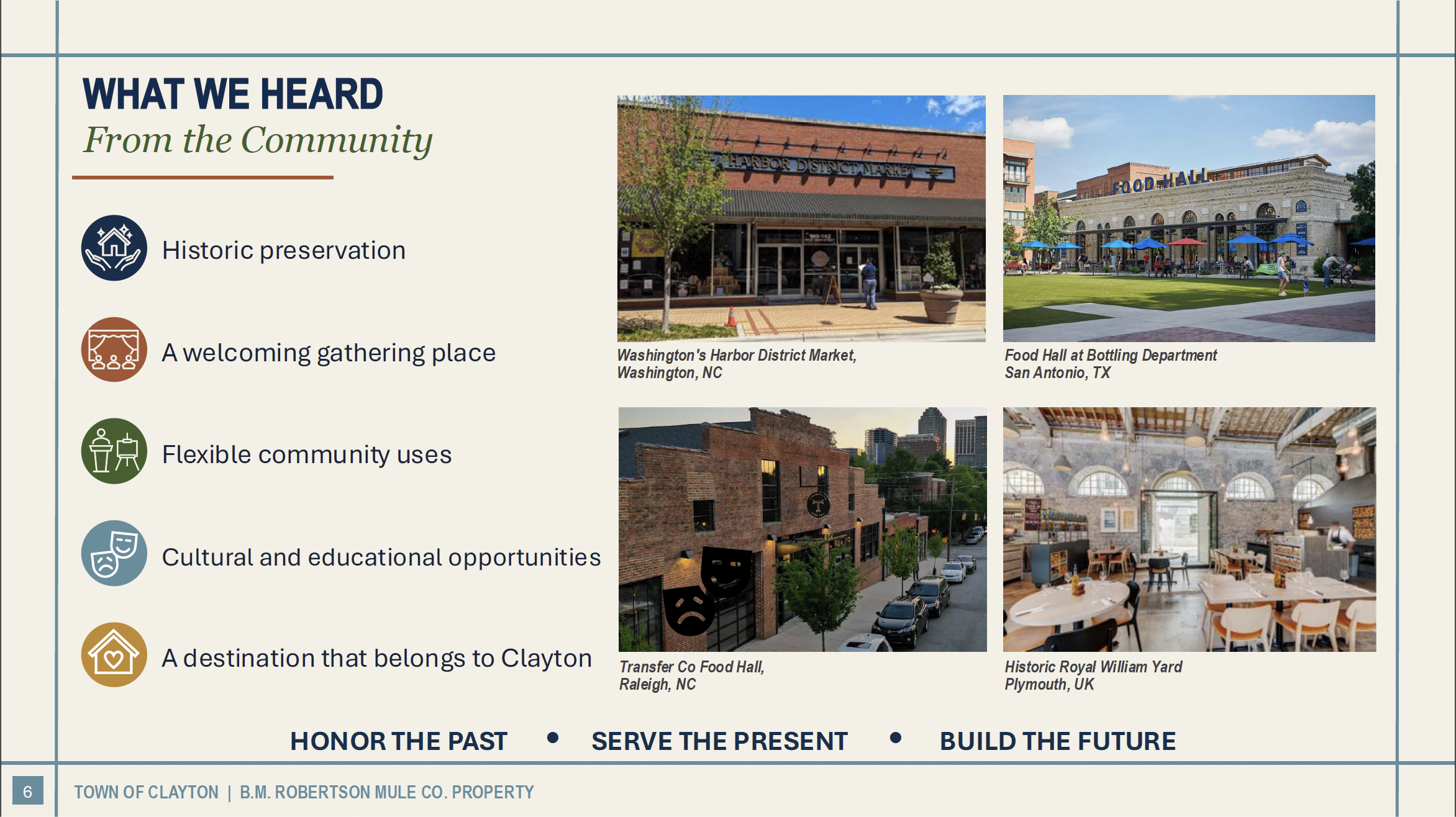
The presentation also pointed to adaptive reuse projects elsewhere for inspiration, including Transfer Co. Food Hall in Raleigh, the Food Hall at Bottling Department in San Antonio, Washington’s Harbor District Market and Historic Royal William Yard in Plymouth, England. Conceptual renderings showed the Robertson building configured for lectures, meetings, exhibits, and other programming.
What the presentation did not address was how those examples were financed, owned or operated — or how closely their business models resemble what Clayton is considering.
A distinction worth pointing out. The projects Jacobs highlighted include private development, nonprofit and grant-supported projects, and public-private redevelopment efforts. Royal William Yard, for example, was redeveloped through a partnership involving private developer Urban Splash, public agencies, and historic-preservation grant support. Raleigh planning documents have described Transfer Co. Food Hall as a public-private partnership. Washington’s Harbor District Market is operated by the Washington Harbor District Alliance and has received both private donations and state grant funding.
Jacobs representatives repeatedly emphasized flexibility. Rather than recommending that Clayton commit the building to one use, they suggested keeping the interior adaptable enough to accommodate different programs and potentially testing different ideas over time.
What residents were not shown Monday night was a comparison of what those ideas would cost.
There was no recommended use, no estimated annual operating cost, no staffing model, no projected revenue, and no analysis showing which of the proposed uses might attract the most demand or offer the most financially sustainable operating model.
And nearly two years after Clayton purchased the property, residents are being asked to help decide what the building should become.
So What Does $2 Million Buy?
That brings us to the much bigger number.
Clayton’s FY27 Capital Improvement Plan includes $2 million for the Robertson Mule Building, but the Town confirmed to The Clayton Dispatch this week that the money is expected to support Phase 1 only.
During Monday night’s presentation, Town staff described Phase 1 as work focused on the building itself: the roof, exterior walls, structural repairs, and other improvements needed to address the building envelope. The Town is also studying possible interim uses while a permanent plan is still being developed.
In other words, that $2 million is not the cost of turning the Mule Barn into a finished community space.
It is the money currently budgeted to get the building through the first phase of restoration.
The Town says it is still refining those estimates and that Phase 1 could ultimately cost less than the full $2 million.
What comes after that is Phase 2.
That phase would include the interior renovation and buildout needed for whatever permanent use Town Council eventually selects. And right now, there is no estimated cost for it.
The Town says it is too early to determine how much additional funding Phase 2 may require because the scope will depend on what the building ultimately becomes.
Future funding could include partnerships, according to the Town, but no specific partnership or outside funding source has been identified yet.
So, as it stands today, Clayton has $2 million budgeted to restore and stabilize the building before it knows what the second phase will cost — or exactly what that second phase will even be.
Town staff said a conceptual plan for Phase 1 is expected to go before Council in October. After that, the project could move into final design, permitting, bidding and construction.
But the larger question remains unanswered:
How much will it cost to finish the Mule Barn after the first $2 million is spent?
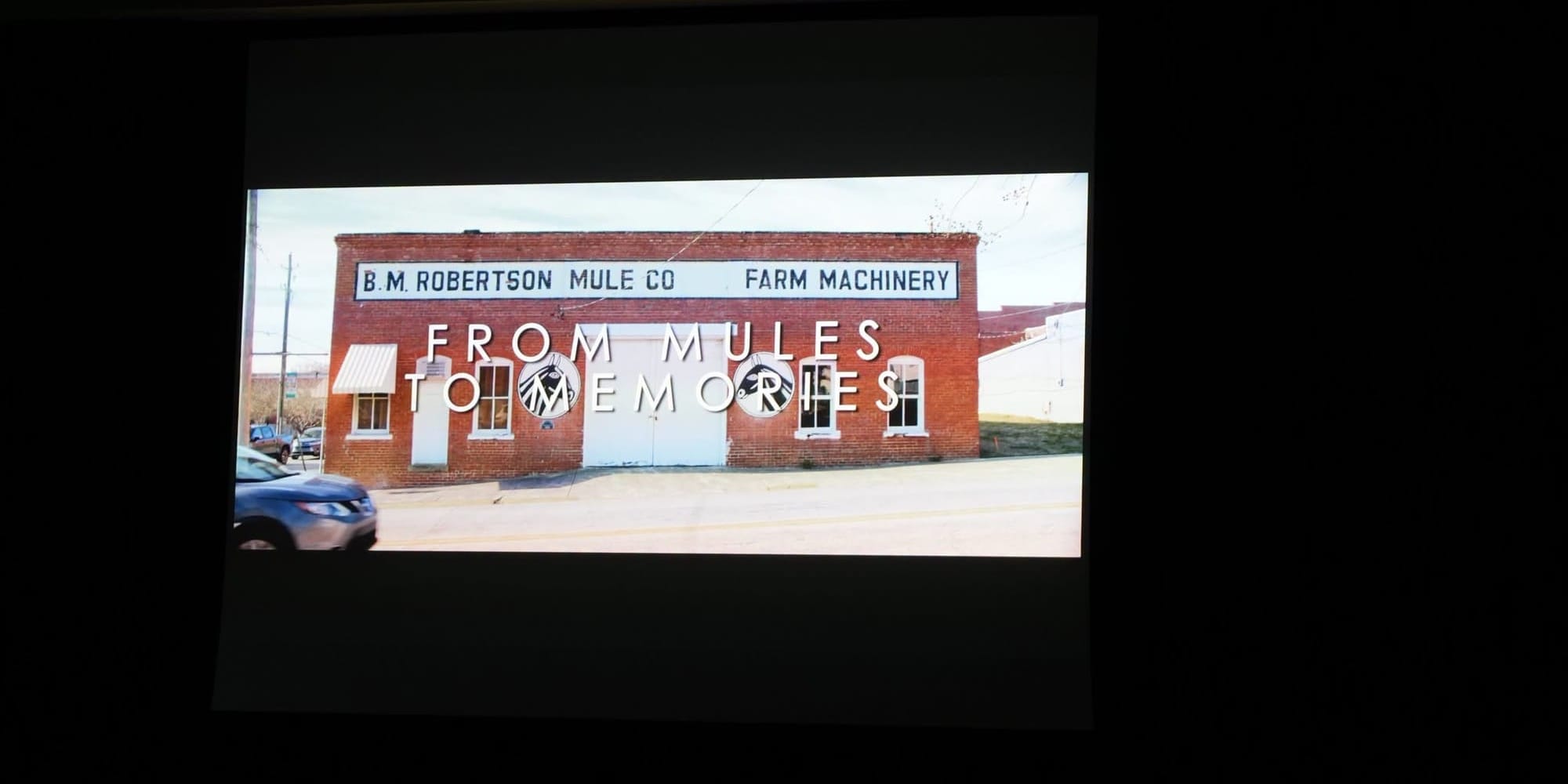
From Mules to Memories
Before Jacobs presented the adaptive reuse study Monday night, the Town premiered a documentary about the history of the B.M. Robertson Mule Company Building.
The film, produced by Jason Bullock for Bull Studios, cost the Town approximately $16,000.
According to the Town, Bullock handled the directing, filming, and editing, while Town staff coordinated interviews, identified participants, and managed project logistics.
The Town says it selected Bullock based on his filmmaking experience, previous work, and familiarity with Johnston County. Because the project cost fell below the threshold that would have required a formal bid process or multiple quotes under the Town’s purchasing rules, no competing proposals were required.
The Communications and Outreach Department and Town administration approved the project, with support from Town leadership and members of Council.
The money came from lapsed salary savings within the Communications and Outreach Department’s existing budget, meaning the Town did not need an additional appropriation to pay for the film.
Town officials say they commissioned the documentary shortly after purchasing the property, before the building and its contents were disturbed, to preserve the property's history and the stories of the Robertson family and others connected to it.
And to be clear, the documentary itself was very well produced & directed.
It featured archival photographs, interviews with members of the Robertson family and longtime Clayton residents, and stories about the building’s history as a mule business, farm machinery dealership, and informal gathering place in downtown Clayton.
But the documentary raises a different question about the future use of the building:
Why was producing a $16,000 documentary considered a priority for the Town?
The Town’s answer is that preserving those stories was important to Town Council and that the building was in a unique moment before restoration work began.
That explanation may satisfy some taxpayers.
Others may wonder whether documenting local history at that level of production value, while the town has a robust communications department on staff, is something municipal government should be spending public money on at all.
A Quick Recap on How We Got Here.
Clayton purchased the Robertson property for $1 million, nearly two years ago.
Before the sale, the Robertson family hired Williams-Crocker and Associates to evaluate the building and surrounding land. But according to the Town, that work did not establish an appraised value for the property.
Instead, the Town determined that the $1 million purchase price was fair based on the building’s historic significance, downtown location, and potential long-term public value.
The Town also says a preliminary facility-condition assessment was conducted by Town staff before the purchase.
More comprehensive facility, structural, and environmental assessments, however, were not completed until after the Town had already closed on the property.
That sequence matters now because those later assessments are what helped identify the work that will make up Phase 1 of the project.
The Town also received a $700,000 nonrecurring state grant intended to support the purchase and restoration of a historic building, and says it plans to apply that funding toward the Robertson property.
Asked whether the state grant requires the building to become a welcome center, visitor center, tourism facility, or some other specific use, the Town said only that the grant was awarded to support the “purchase and restoration of a historic building.”
The Town did not specifically say whether the underlying grant agreement contains any additional use restrictions.
So, nearly two years after the purchase, Clayton owns the building, has studied its physical condition, has paid for an adaptive reuse study, has produced a documentary about its history, and has budgeted $2 million for the first phase of restoration.
What Happens Next?
For now, the next major decision point is expected to come in October.
Town staff said Monday night that a conceptual plan for Phase 1 is expected to be presented to Town Council next month. That work will focus on the building itself, including the roof, exterior walls, structural repairs and other building-envelope improvements.
Once Council gives direction on that phase, the project can move further into design, permitting, bidding, and eventually construction.
At the same time, the Town is still gathering public feedback on what the building should ultimately become.
That means the most expensive decisions may still be ahead.
Phase 2 — the interior renovation and buildout — will depend on which use or combination of uses Council eventually chooses. The Town says it’s too early to determine how much that phase will cost or what additional funding may be required.
There’s also no final opening date.
So the project now moves forward on two tracks at once: stabilize and restore the building itself, while continuing to decide what the finished building is actually supposed to be.
What do you think, Dan?
I think we rushed to buy a building that Clayton didn’t actually need to own, and now the Town has backed itself into a very expensive corner.
And I think a lot of people are going to be shocked when we eventually see the final bill.
Don’t get me wrong. As I said in the first part of this story, I absolutely believe the B.M. Robertson Mule Company Building is an important piece of Clayton history worth preserving. Under the right circumstances, I’m not even opposed to the Town playing a role in saving it.
What troubles me is how we got here.
Between the $1 million purchase, nearly $100,000 in professional services, approximately $16,000 for the documentary, and another $2 million now budgeted for Phase 1, Clayton has already spent, committed, or budgeted more than $3 million in public money toward this property before anyone can tell us what the finished building is actually going to be.
And remember: that $2 million gets us through Phase 1. We still don’t know what Phase 2 will cost, but professional development sources have said this could easily be a $5 million project before it’s all said and done.
That would concern me in any town. It concerns me even more because Clayton doesn’t have a shortage of expensive things we actually need.
The Town’s new Southwest Public Safety Center carries a current project cost of $18.9 million, and Town officials have said expanded public-safety facilities are necessary to keep pace with population growth and emergency calls.
Sam’s Branch Water Reclamation Facility is the largest capital project in Clayton’s history. The Town publicly described it as a $280 million project, built to expand wastewater capacity as Clayton continues to grow.
Clayton also paid $3 million for the former Clayton Fitness property, which is being converted into an intergenerational recreation facility with help from a $1 million state grant.
Hell, next week council is set to vote on a $2.1 million ladder truck that the fire chief says we need.
These aren’t imaginary numbers on a distant capital plan. These are major expenses a rapidly growing town has to juggle.
Do you get my drift?
We have real, expensive needs, and every time we turn around, the machine that was created by Clayton's unofficial motto "you're either growing, or you're dying" needs to be fed.
Which brings me back to one of the examples Jacobs itself put on the screen Monday night: Washington’s Harbor District Market.
Why wasn’t something like that model explored here?
The City of Washington didn’t simply purchase, renovate, and operate the Harbor District Market. The Washington Harbor District Alliance, a nonprofit Main Street organization, purchased the historic building and developed the market. The group raised private donations, secured grants, and received city support. WHDA remains a 501(c)(3) organization charged with administering Washington’s Main Street program and building public-private partnerships downtown.
It isn’t a perfect one-to-one comparison with Clayton, and public money has supported the Washington project. But the model deserves a look if anyone cares about being good stewards of our tax dollars: local government didn’t simply assume the entire project itself.
So why wasn’t that conversation happening here before Clayton wrote the check?
Why wasn’t preservation approached as a partnership with a nonprofit, the Downtown Development Association, private investors, preservation groups, grants, and fundraising?
Why was Clayton's first major step to buy the building?
That, more than anything, is the question that keeps rattling around in my head.
Because once the Town paid $1 million for the Mule Barn, doing nothing stopped being a realistic option.
Now we own it.
Now we have to fix the roof. The structure has to be stabilized. The building has to be maintained. We have to remove decades of diesel fuel from the ground. Millions of dollars are being put toward making it usable.
And eventually, after all of that money has been spent, Town Council is going to have to put something inside it.
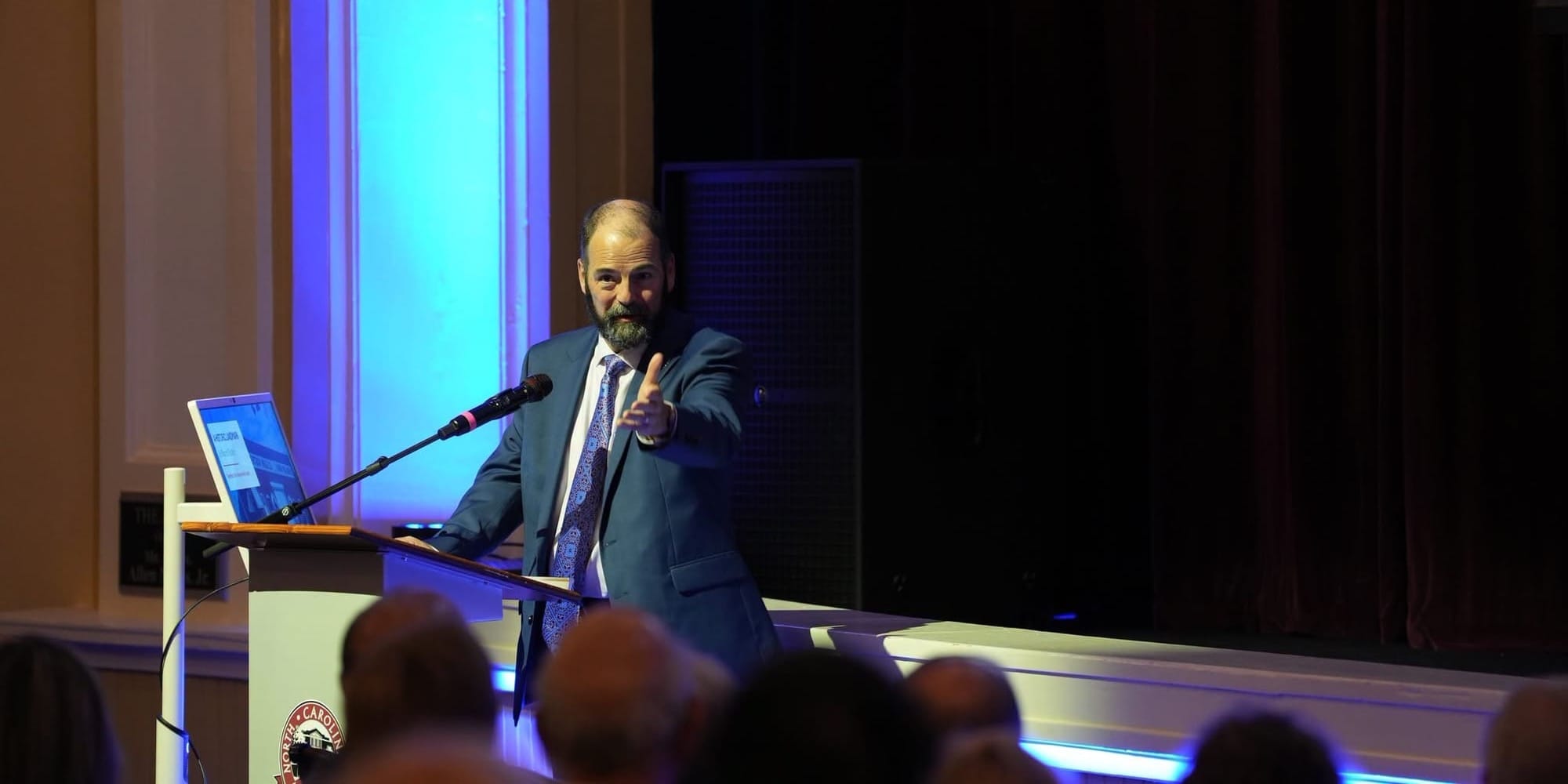
“The sky’s the limit,” Jacobs representative Chappell Jordan told the room Monday night.
And all I could think was: This is what it sounds like when you’re not spending your own money.
Town Hall Watch
Clayton Town Council | Monday, September 19 | 6 p.m.
Clayton Town Council meets Monday, September 21 at 6 p.m. at Town Hall. The agenda is relatively short, but it includes several large-dollar infrastructure and public safety items. No public or quasi-judicial hearings are scheduled. The Town’s calendar also lists the regular meeting for September 21.
The new ladder truck for Clayton Fire & Emergency Services from the council work session a couple of weeks ago is back, and it’s up for a vote this time. The Pierce 107-foot tractor-drawn aerial is quoted at $2.4 million, but the Town can purchase it for $2.1 million if it pays the full amount upfront by September 30. Delivery is estimated at 44 to 48 months. A related budget amendment would appropriate $1.425 million from General Fund fund balance and transfer another $475,000 from the Fire Apparatus Capital Reserve toward the purchase.
Also up for approval is a $2.23 million street resurfacing contract with Daniels Inc. of Garner. The project includes resurfacing, milling, pavement repairs, shoulder reconstruction, curb-and-gutter work, and ADA curb-ramp improvements on various Town-maintained streets. A separate budget amendment would carry nearly $2 million in unused FY26 program initiative funding forward to supplement the road project.
In Old Business, Council will consider tentatively awarding a $3.87 million contract to Moffat Pipe Inc. to decommission the Liberty, West Main and Starmont wastewater pump stations. The project would replace the aging mechanical pump stations with new gravity sewer infrastructure. Funding comes from a $5.91 million state wastewater appropriation previously accepted by the Town, and final award still requires approval from the N.C. Division of Water Infrastructure.
Council will also consider six budget amendments that move millions in unused prior-year program initiative funds into capital reserves for projects including water and sewer repairs, electric infrastructure, stormwater, ADA improvements and other long-term capital needs. Most of those amendments represent transfers or reappropriations rather than new spending.
Finally, the Consent Agenda includes an update to Clayton’s noise ordinance formally adding the special noise permit provisions adopted earlier this year. Commercial properties seeking a variance would need to apply at least 30 days in advance and notify occupants within 250 feet before the event. Expect this to affect several late-night businesses downtown.
What I’m watching: the ladder-truck vote and its funding details, which streets are included in the resurfacing project, and whether Council discusses the Town’s growing list of major capital commitments.
Downtown Dispatch
Tiki Week at Revival 1869!
Downtown Clayton is getting a little more tropical next week as Revival 1869 turns into a tiki bar for five nights, September 23–27.
The cocktail bar will roll out a special tiki menu for the entire week, featuring rum-heavy drinks and a little “five nights in paradise” atmosphere. Even Revival’s monthly Whiskey Forum is getting in on the theme, with rum taking center stage this time around.
Then celebrating Last Friday in Clayton with a full Tiki Party featuring Magic Alley Treats, The Violet Raven’s Pop-up Crystal Shop and tarot readings alongside the special cocktail menu.
Revival 1869 | 222 East Main Street
Tiki Week | September 23–27

Weekend Picks
A quick rundown of what’s happening around Clayton this weekend. Music, markets, food, family stuff, and anything else worth leaving the house for.
Presented by The Clayton Center.
Friday
The Clayton Center | 111 East Second Street
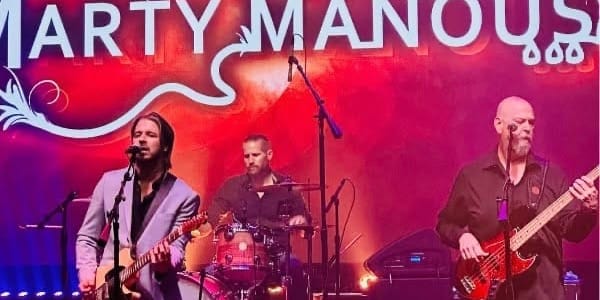
Marty Manous - Blues Bash 2026
Blues-rock guitarist Marty Manous brings his high-energy mix of Southern rock and modern blues to The Clayton Center, drawing influence from artists like Stevie Ray Vaughan, Eric Johnson, Joe Bonamassa and The Allman Brothers. Expect big guitar work, gritty vocals and a set built around blues, rock and songs from his latest album.
Happy Finch Yoga | 105 North Church Street
Modern & Contemporary Dance Class with Stephanie | 6 pm]
Happy Finch Yoga is adding a little dance to the September schedule with an all-levels modern and contemporary dance class led by Stephanie. The class is open to beginners as well as more experienced dancers, with registration available through the Happy Finch Yoga website or app.
Saturday
Artmosphere Community Arts Center | 3919 Raleigh Road
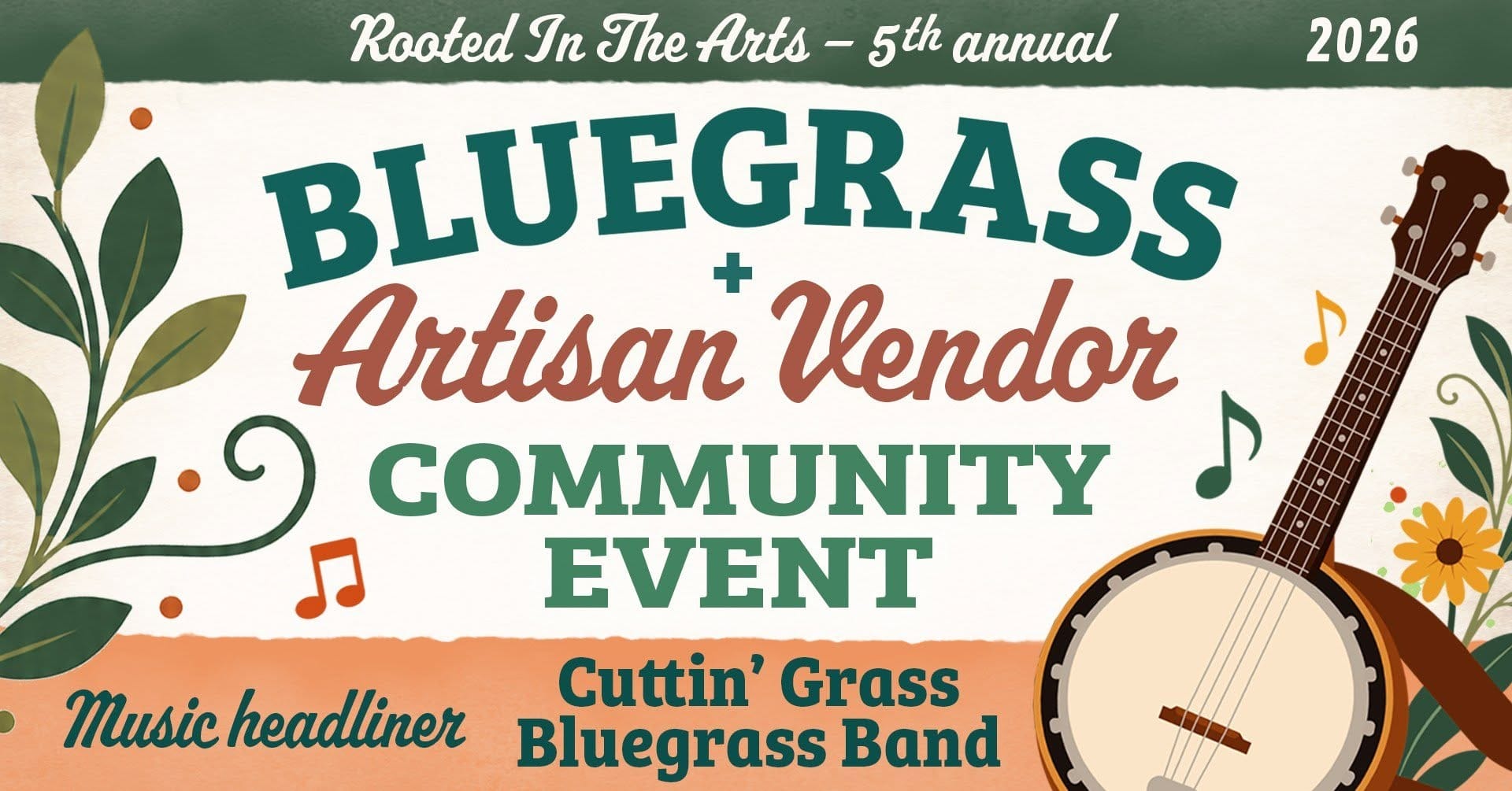
Rooted in the Arts | Saturday, 5–9 PM
Artmosphere Community Arts Center and Curious Lotus Tattoo are teaming up for an evening of live bluegrass, local art and family activities. The event will feature an artisan vendor market, open clay studio projects, gallery exhibits, a community canvas, pumpkin painting and food and dessert trucks. Bring a lawn chair or blanket and settle in for a laid-back night of music and art.
Deep River Brewing Company | 700 West Main Street
Honky Tonk Hangout | Saturday, 12–10 PM
Deep River Brewing Company is going country for an all-day Honky Tonk Hangout, with line dancing from noon to 1 p.m., a post-dance social until 3 p.m. and live music from Wade Hill & The Revival from 6:30–9:30 p.m. Holy Fries will be serving from noon–4 p.m., with Jersey Tom’s Devil Dogs and Carolina Moe’s BBQ joining the lineup from 5–9 p.m. The first 50 taproom customers who make a purchase will also receive a limited-edition Honky Tonk koozie.
Revival 1869 | 222 East Main Street
Rick Bugel Quartet | Saturday, 8–11 PM
The Rick Bugel Quartet returns to Revival 1869 for an evening of straight-ahead jazz in the heart of Downtown Clayton. The live set runs from 8–11 p.m., pairing classic jazz sounds with Revival’s cocktail-bar atmosphere.

Sunday
Pottery Camp | 12989 Clayton Boulevard
Glass Fusing Class | 2 pm – 4 pm]
Pottery Camp is hosting a hands-on glass fusing class where participants can create a candy dish, bowl, votive or decorative panel for a lantern. Instruction covers the basics of working with glass, including cutting techniques, color and design. Projects take about 1½ to 2 hours to complete and are kiln-fired before pickup the following week. Lanterns are available for an additional $15.
The Old Mill Group Real Estate | 423 East Second Street
The Unsanctioned Rehearsal Society Open House | 5 pm
The Unsanctioned Rehearsal Society is hosting an introductory gathering for anyone curious about getting involved with its new Clayton-based theatre projects. The group is partnering with local businesses to stage original and unconventional performances while creating opportunities for local actors, crew members and volunteers. Business owners interested in hosting a show are also invited to stop by and learn more.

The Good Thing
Every week, we're going to try to end on a positive note. Snapshots of Clayton history, local legends, monumental accomplishments in the community, and more. This section is supposed to make you feel good.
Light good thing this week. The week got away from me, and if I'm being honest, I just sat down to format this week's edition, and realized I didn't have anything. If you want to nominate someone or something for a Good Thing feature, please feel free to send it to ClaytonDispatchMail@gmail.com.
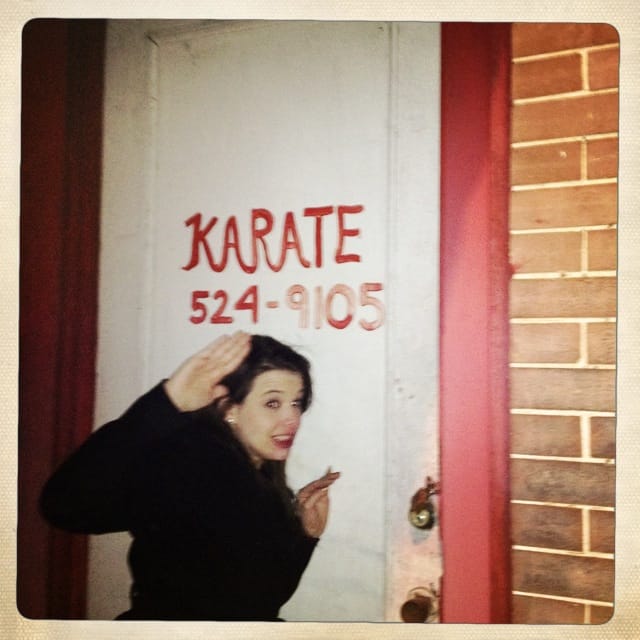
That being said, here's one of my favorite pictures of my wife, Miranda. This was of the Karate Door that was on Main Street where Fare Game is now. This was on our walk back home from Rock Candy Salon's New Year's Eve party in 2012 – the original location of BLVD West.
Long live the Karate Door!
Shameless self-promotion. For those that don't know: Miranda is the proprietor of Odd One Out on Main Street. We just got a ton of neato stuff from our newest vendor, BlueQ. And 4Track Records just brought some SUPER COOL records by. Stop in, check us out, and stay weird!
Become a Paid Clayton Dispatch Member
$5 per month or $50 per year Membership helps support independent local reporting, expand coverage, and pay for future Dispatch upgrades.
Members receive:
- The ability to comment on Dispatch stories
- Priority question submissions for the upcoming Council Watch-Along with Dan podcast
- Regular behind-the-scenes reporting notes and project updates
- Member discounts and early access to Clayton Dispatch merch
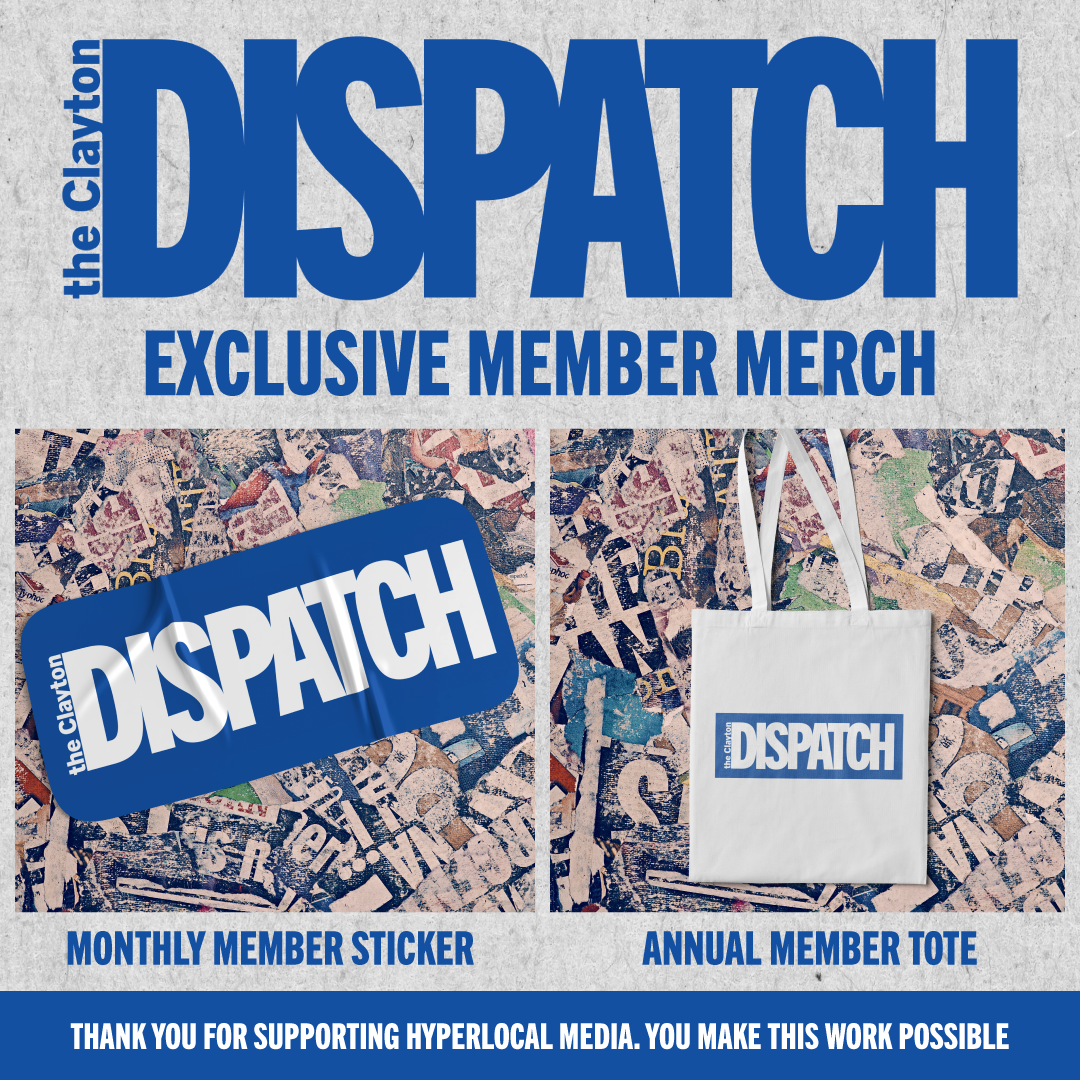
- An exclusive Clayton Dispatch sticker for monthly members*
- An exclusive Clayton Dispatch tote bag for annual members.
The actual reporting will remain available to everyone. Paid membership helps make more of it possible.
Also, this can get us a whole lot closer to a print edition.
*Stickers will be given out every quarter.